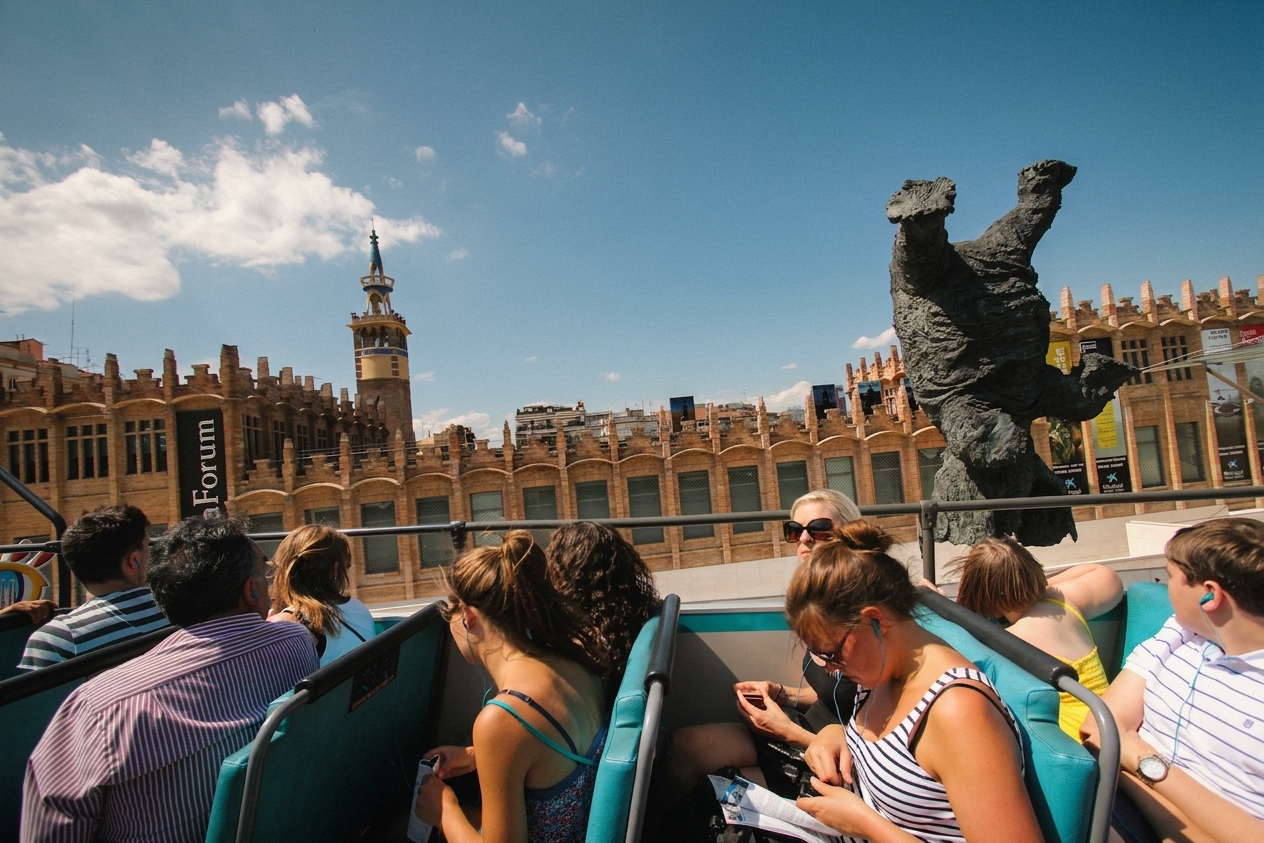
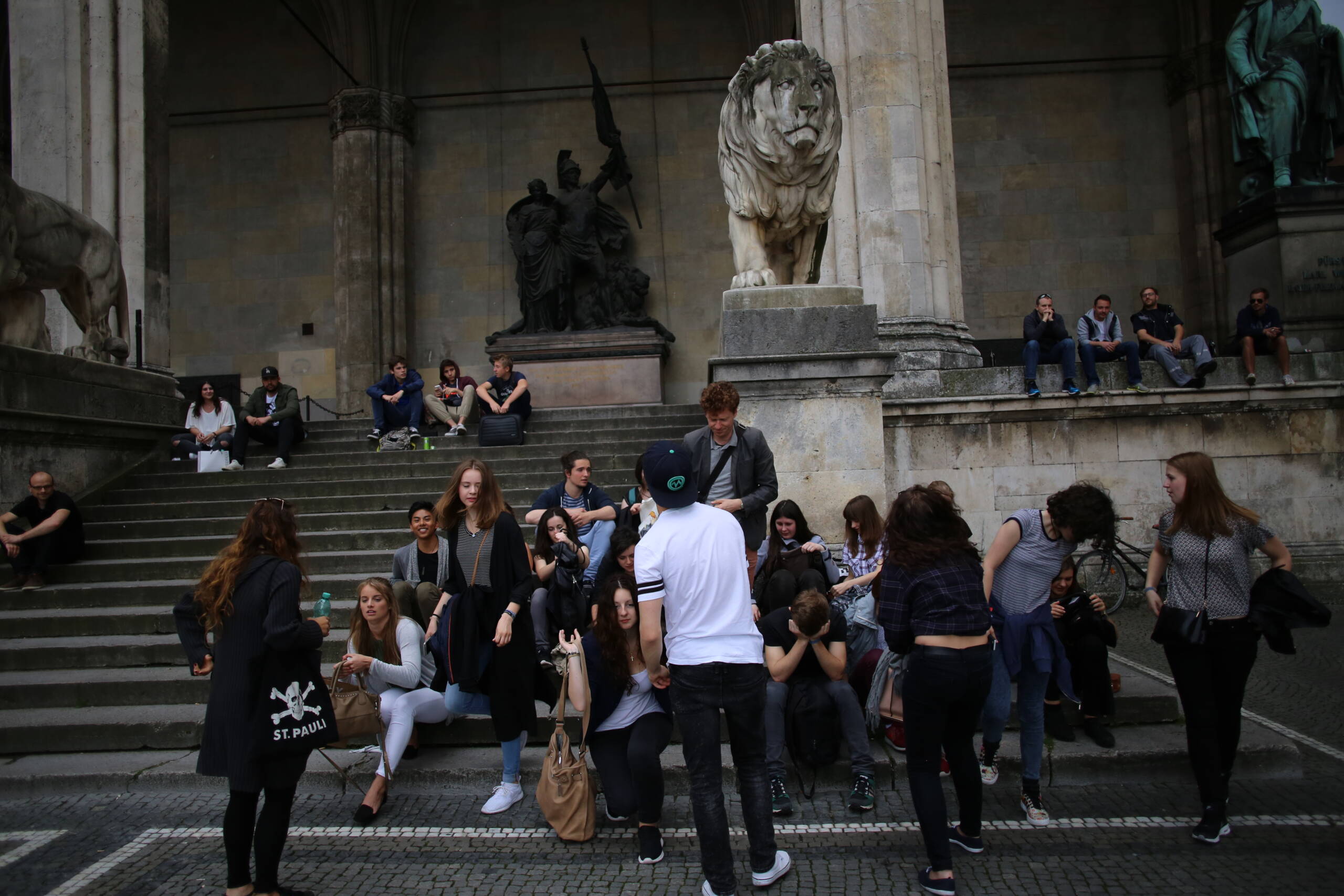
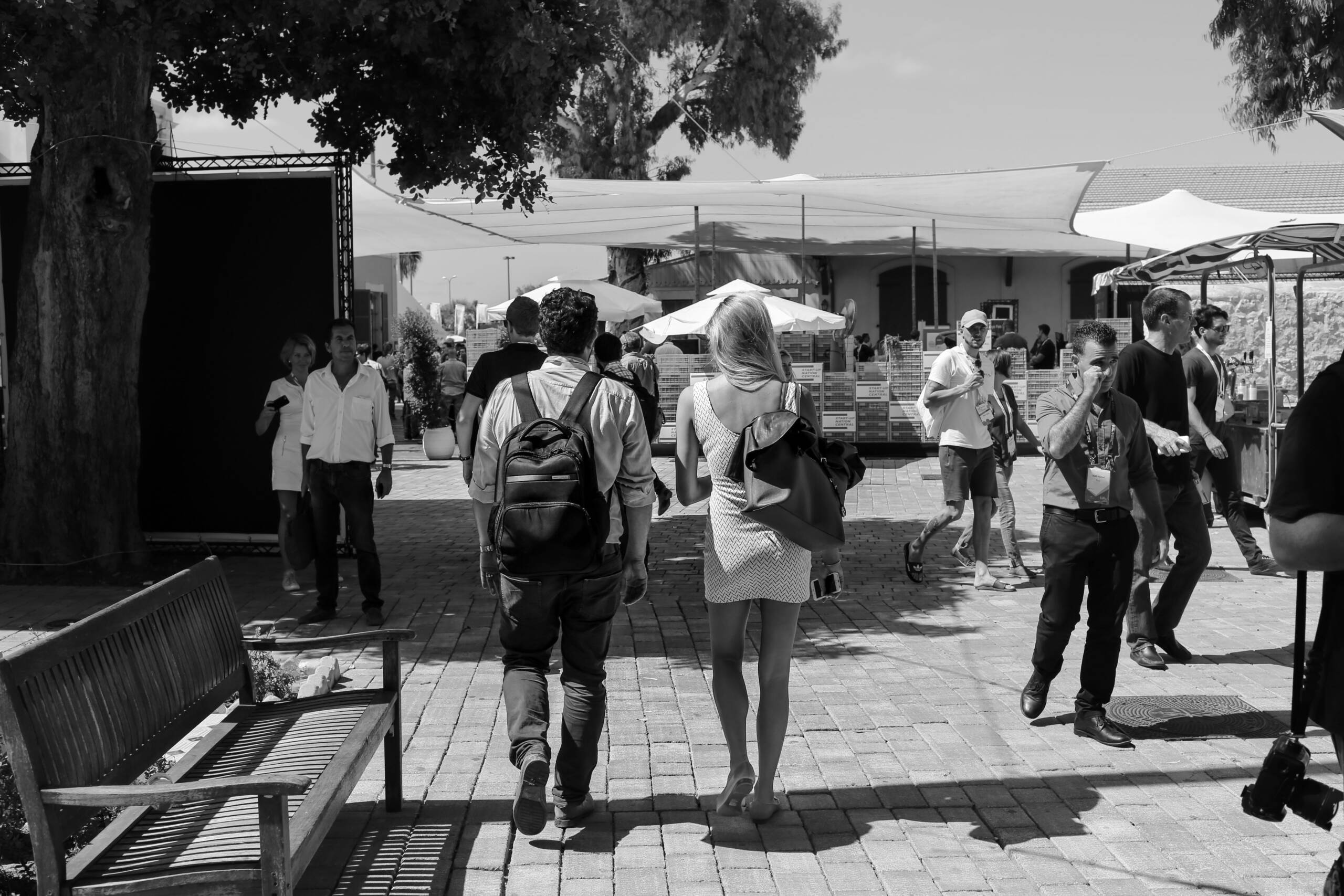
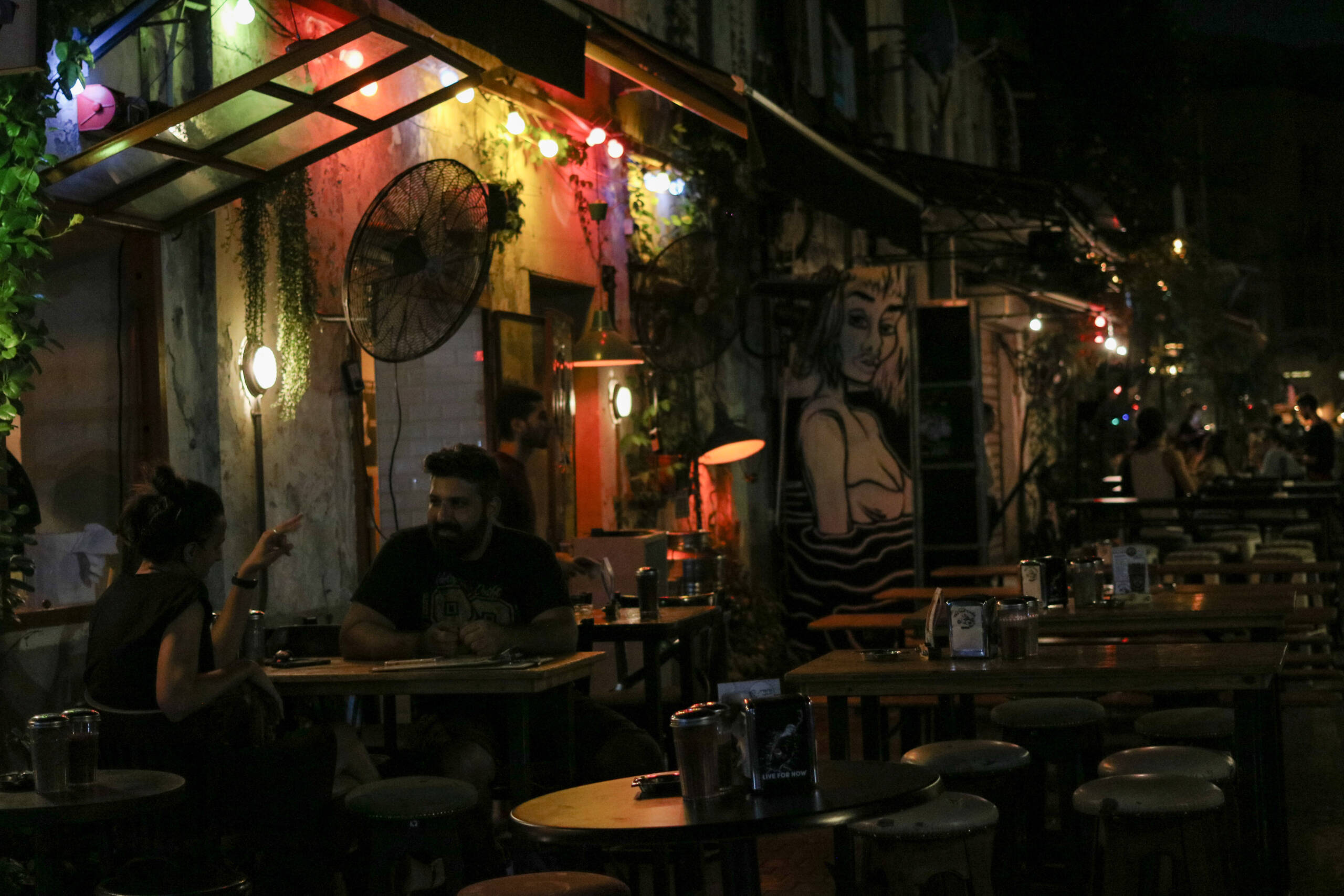
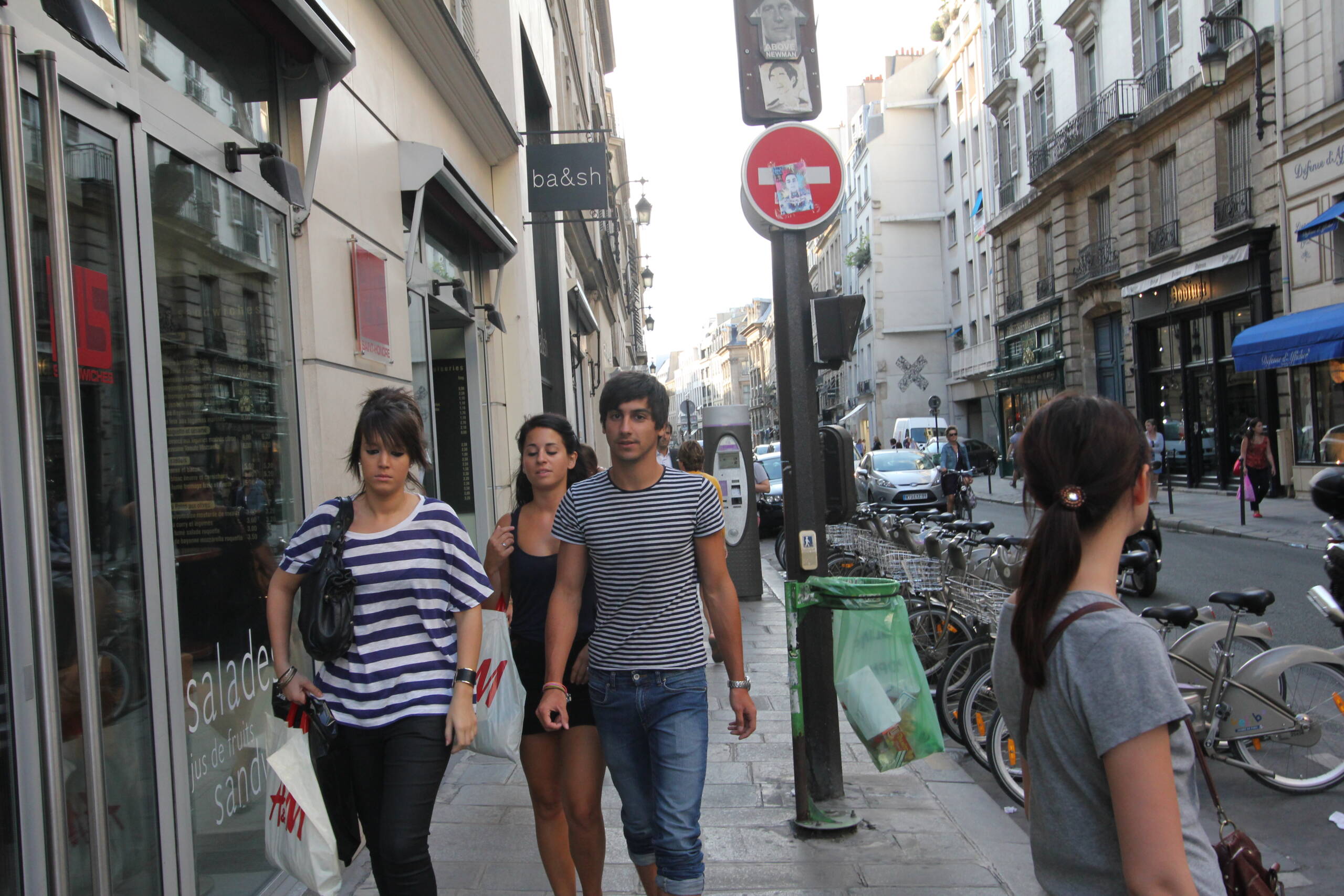
A photo tells you things before you’ve decided to look at it. You see a crowd of young people on a set of monumental steps and you already know roughly how warm it was, what time of year, maybe even which country. Nobody wrote any of that down. The picture just carries it.
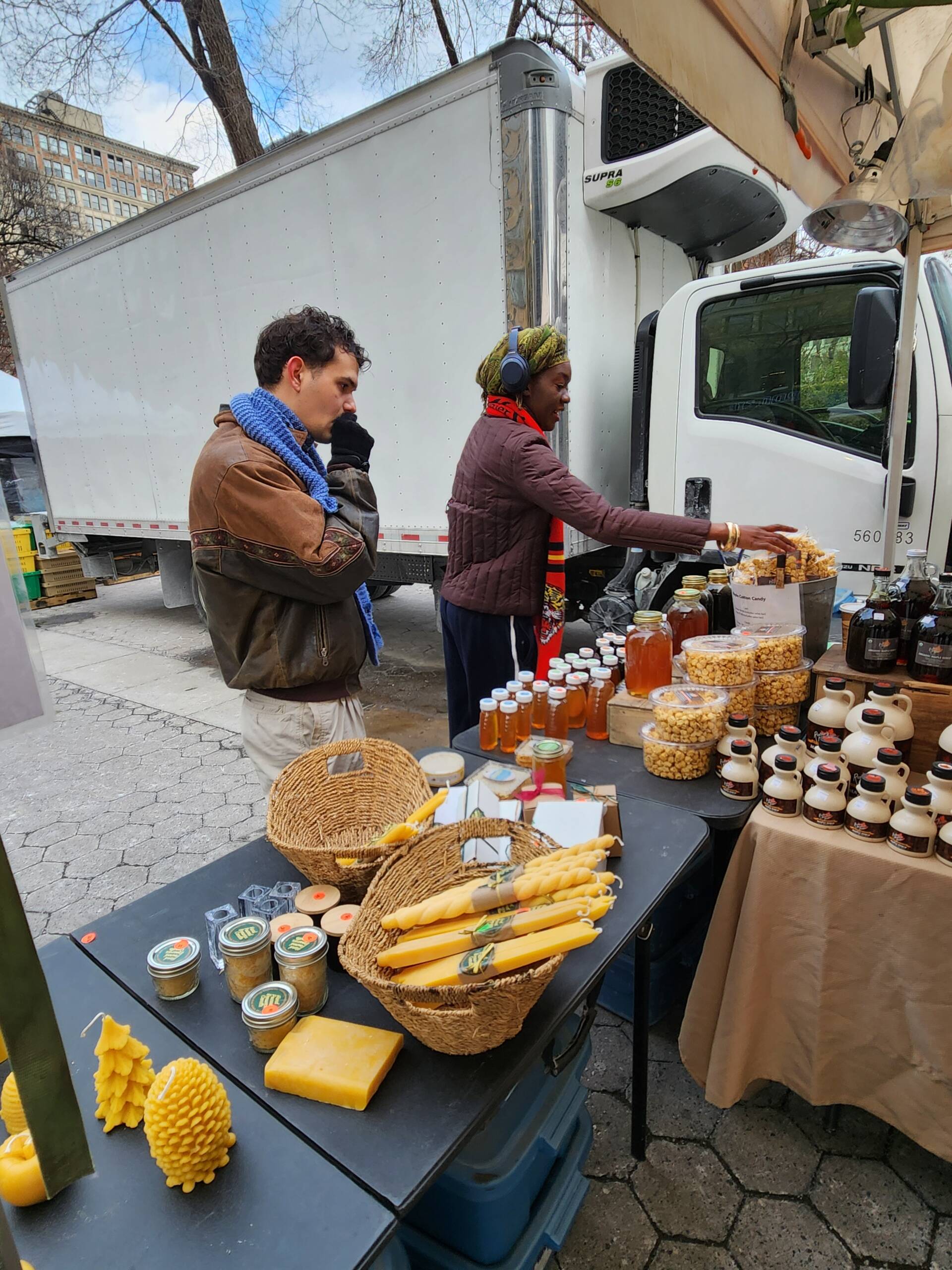
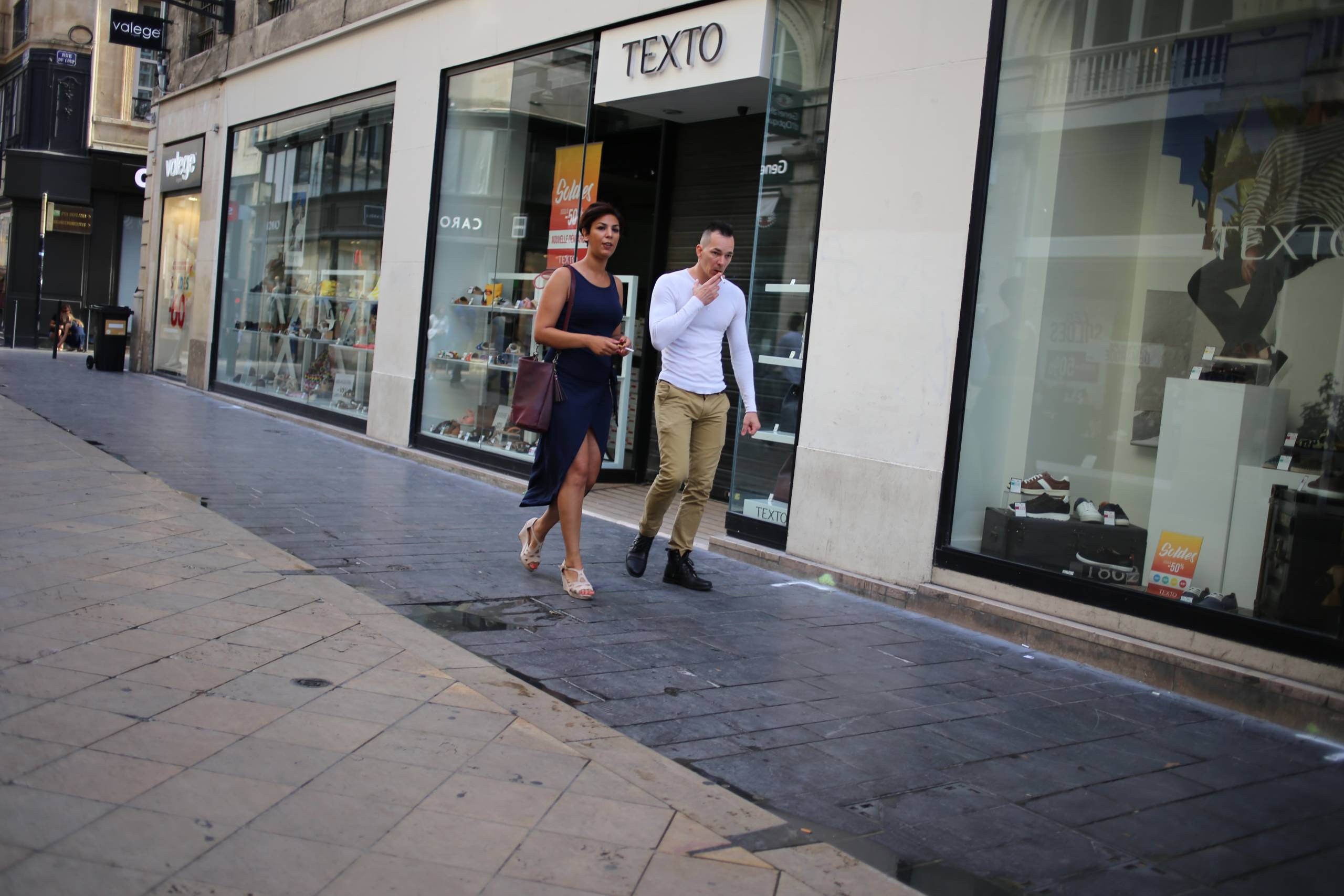
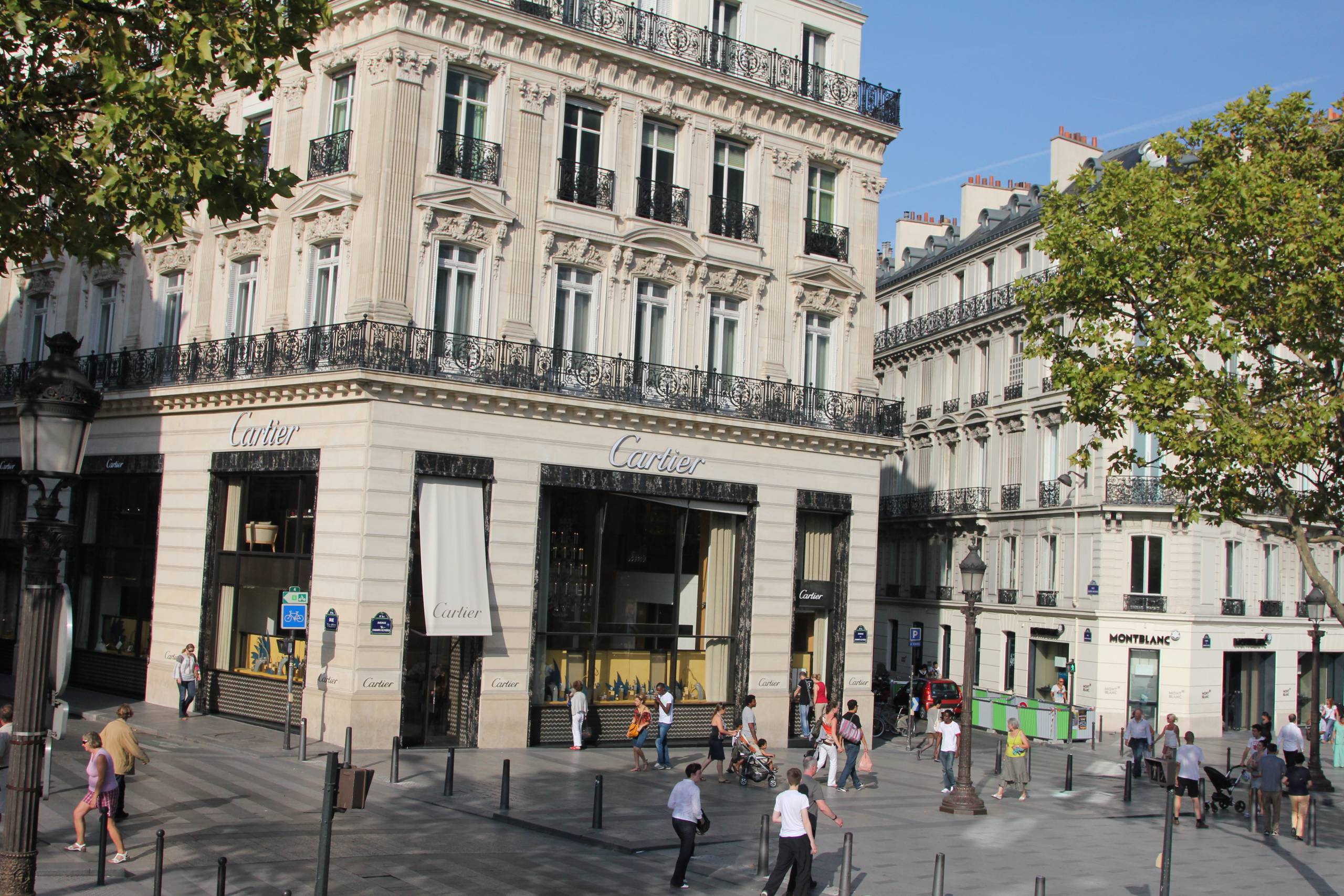
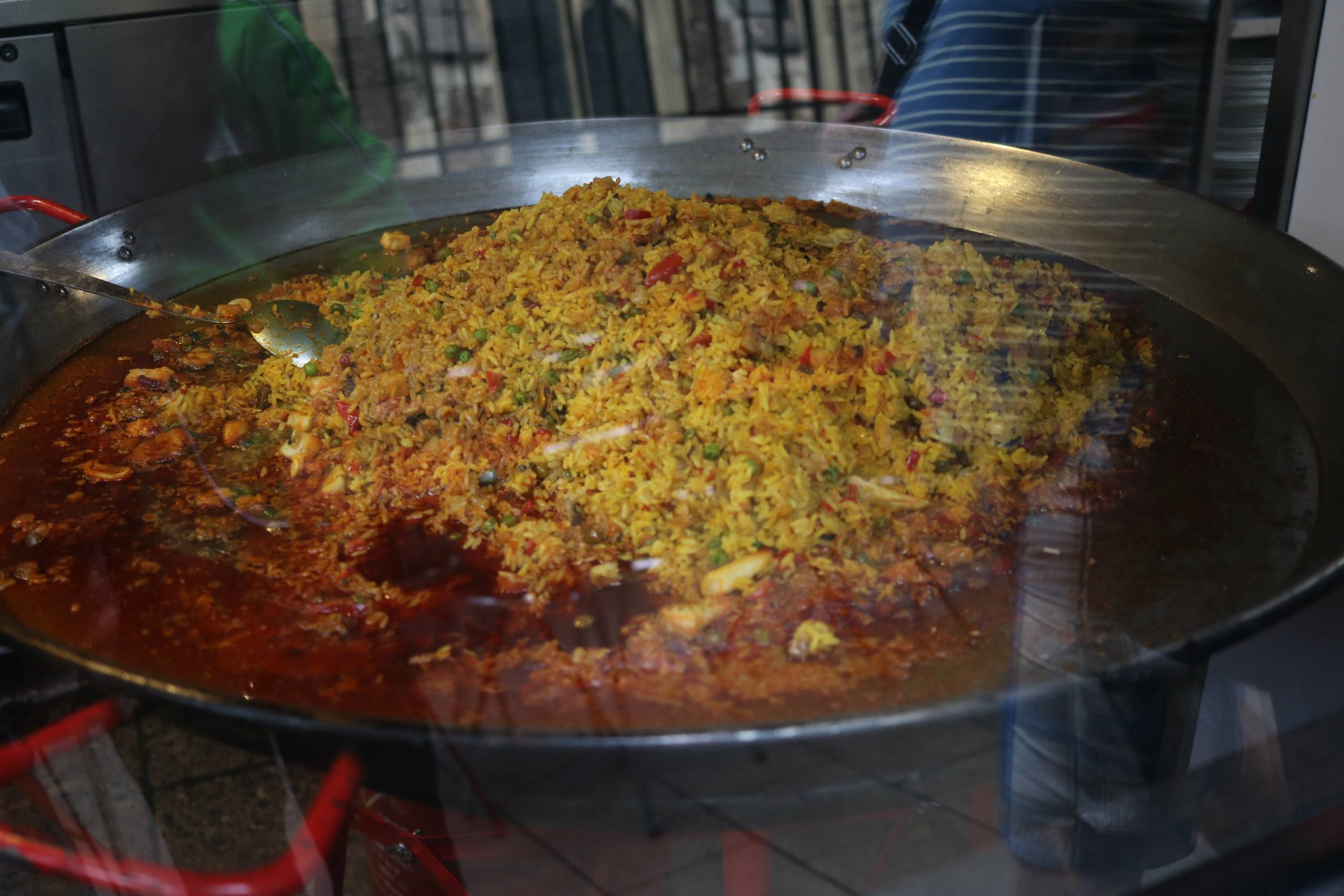
That’s the basic idea behind visual storytelling, and it’s why this page is mostly pictures with very little text around them. There are 168 images below. Some were shot on a phone walking through Paris or London, some at trade shows and tech conferences, some at a market stall or a dinner table. A few are illustrations and AI-generated scenes. Together they’re a fair picture of what exclusive.org pays attention to.
One frame, one story
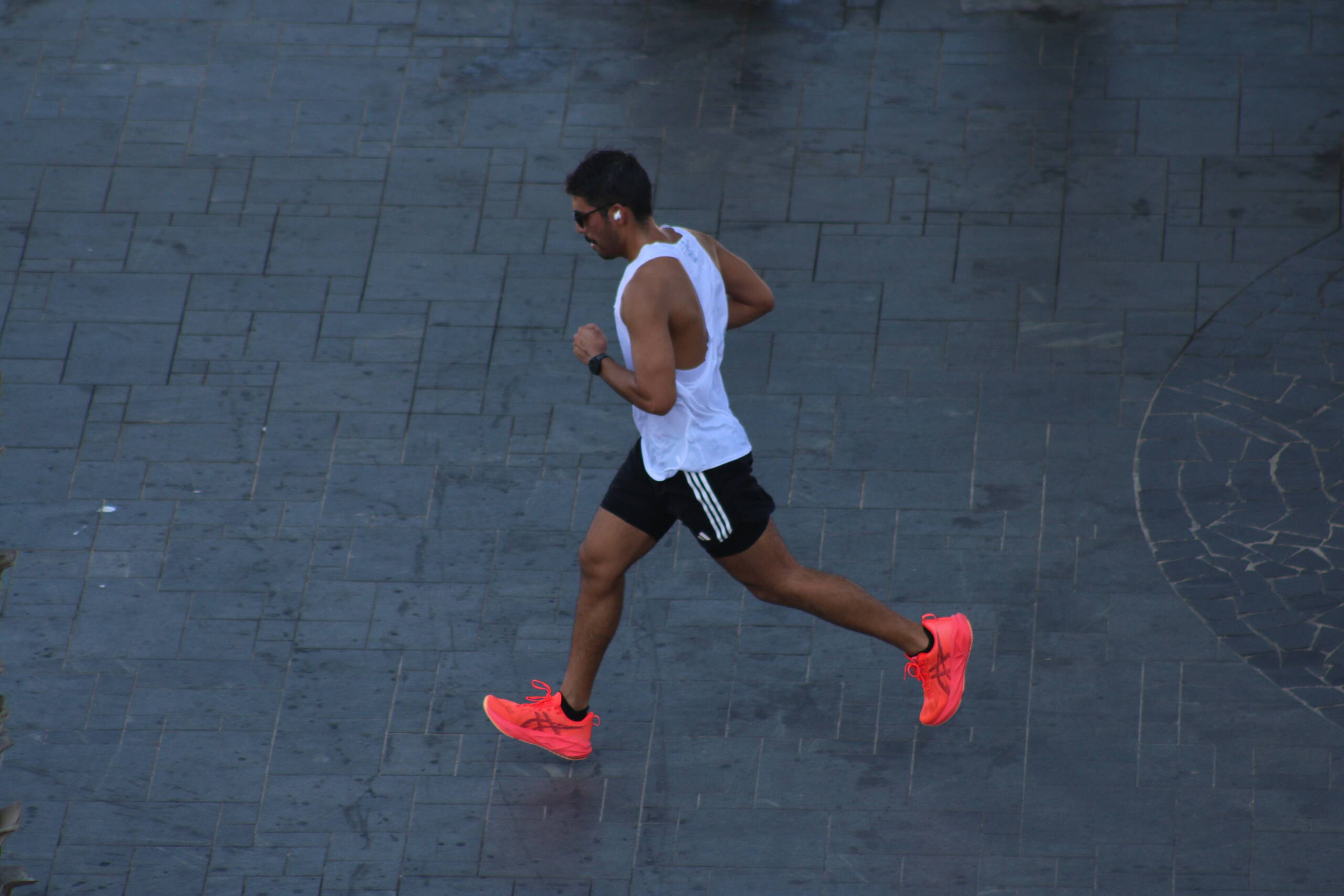
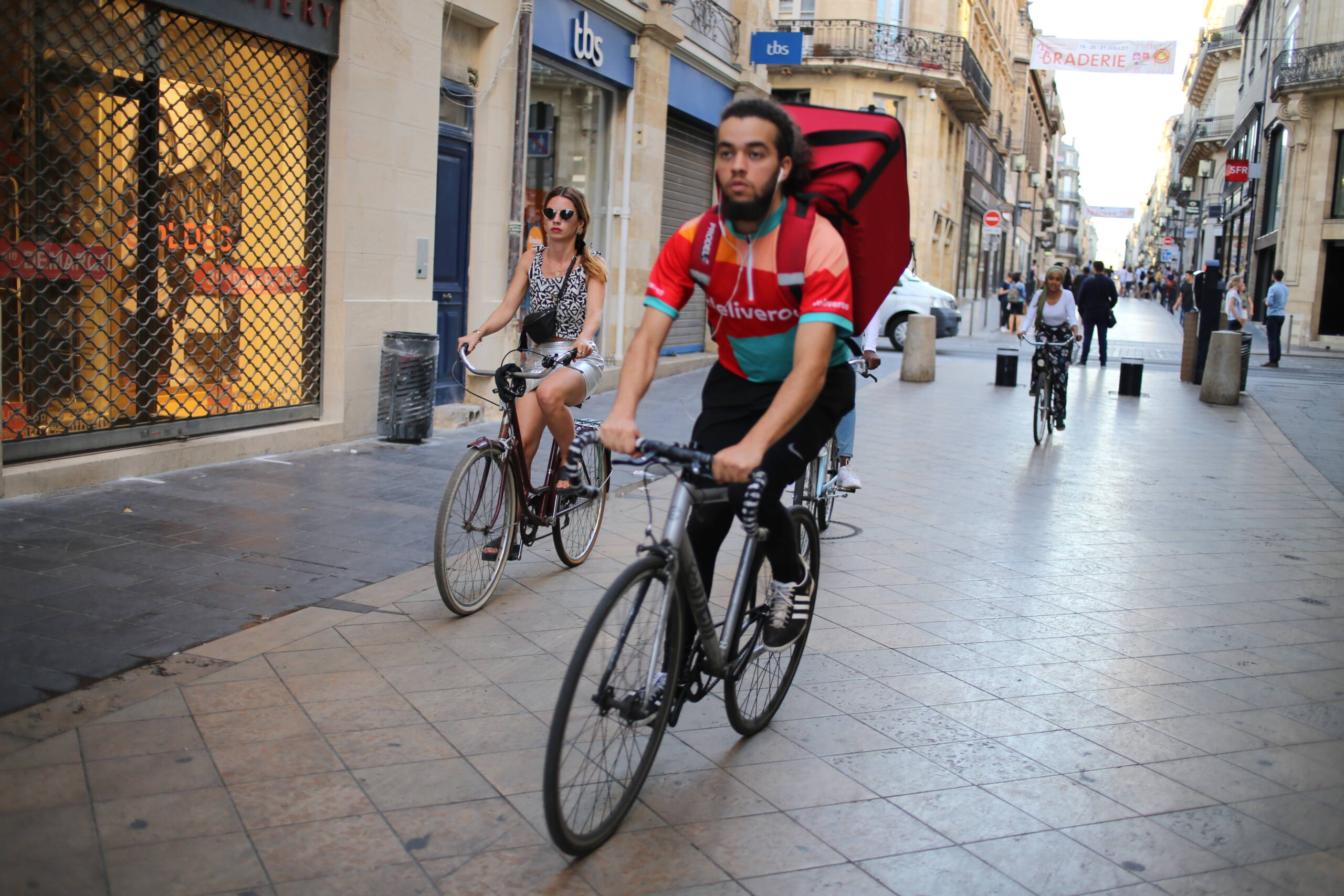
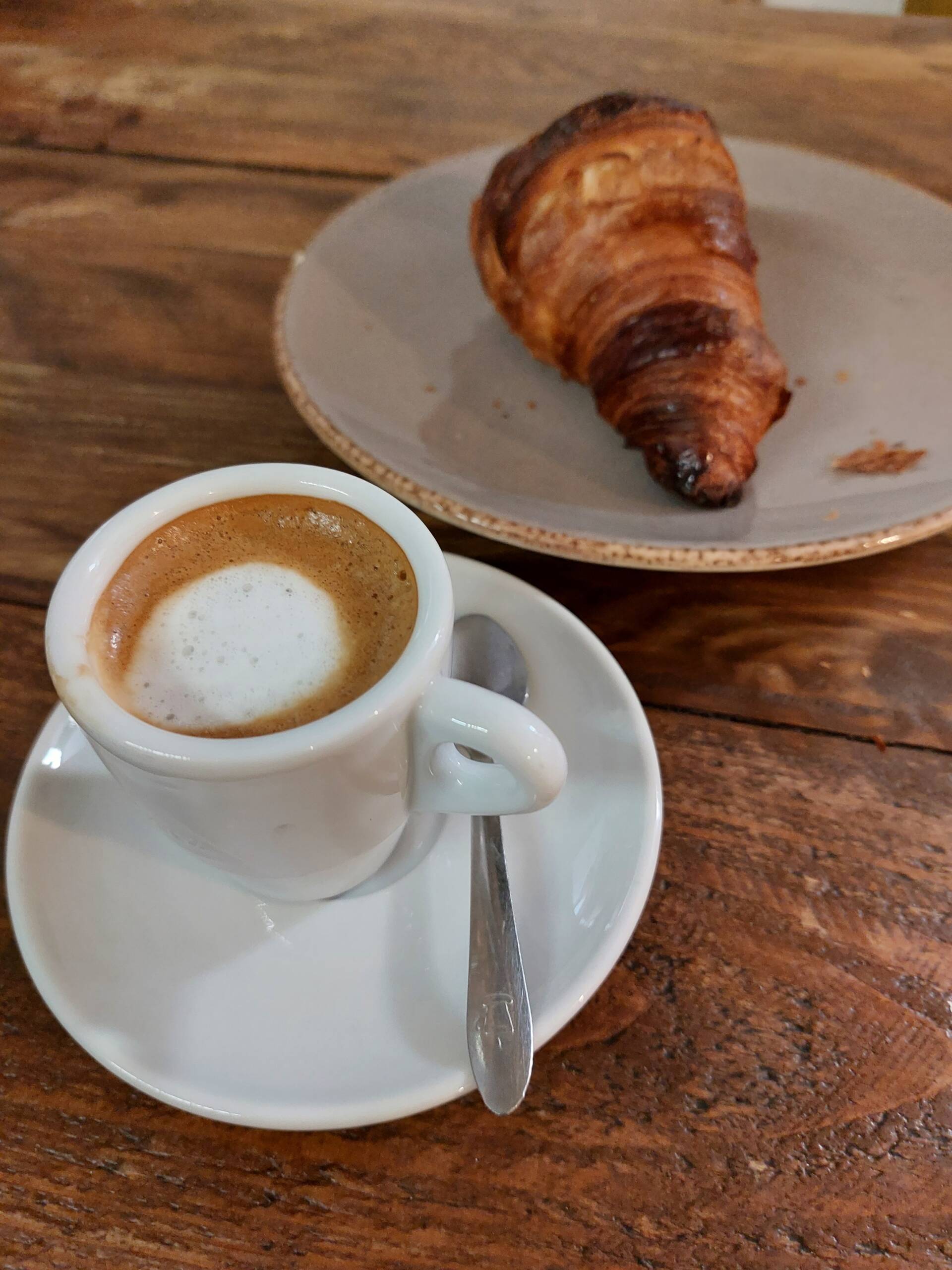
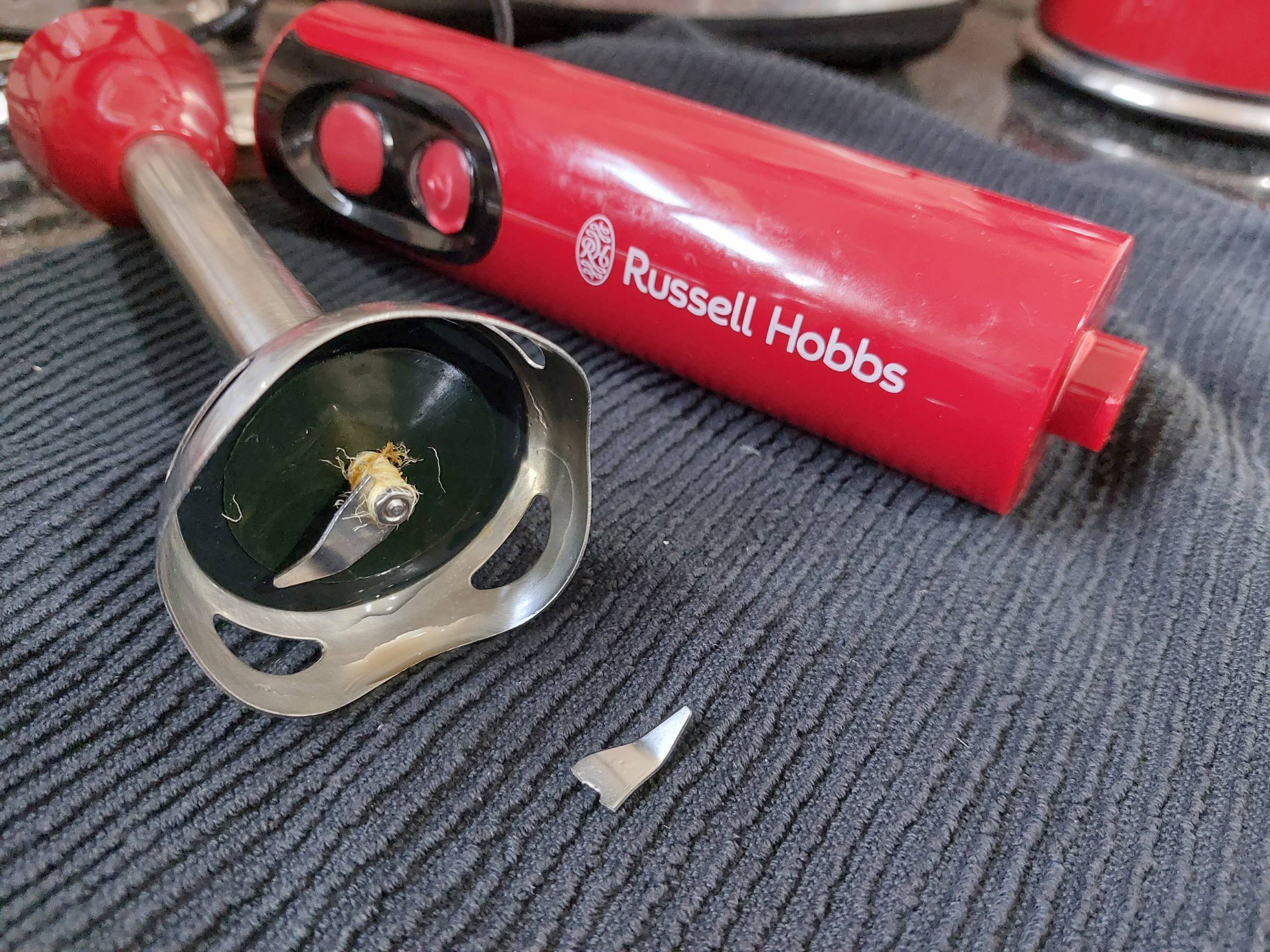
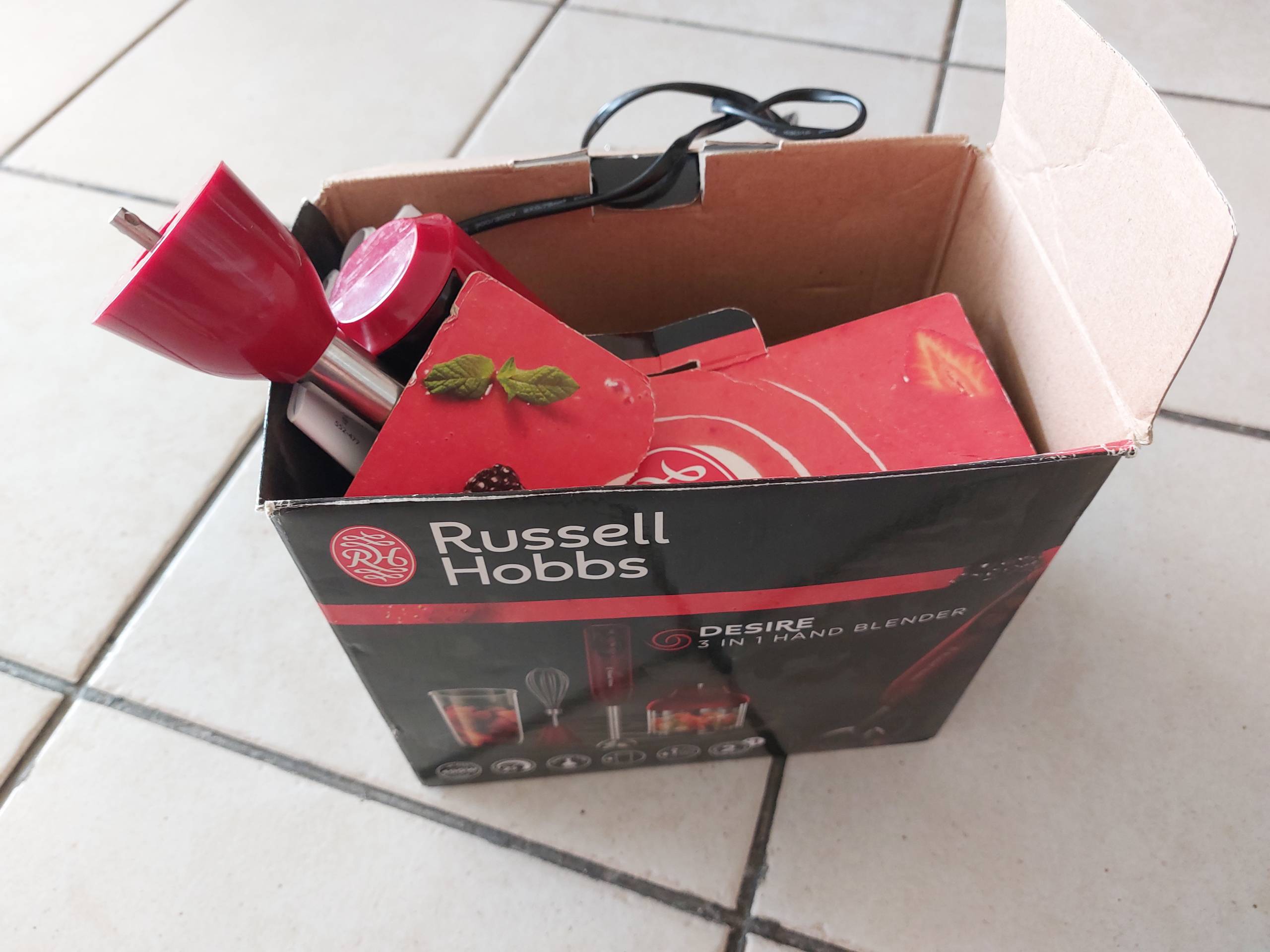
The simplest visual story fits in a single frame. A delivery cyclist on a city street. Espresso pouring from the machine into a glass. A red Russell Hobbs blender, broken, and then again in the open box it came in. Each one answers a question on its own, who’s there and what’s going on. You don’t need a caption to get it, though a good caption can tilt the meaning a little.
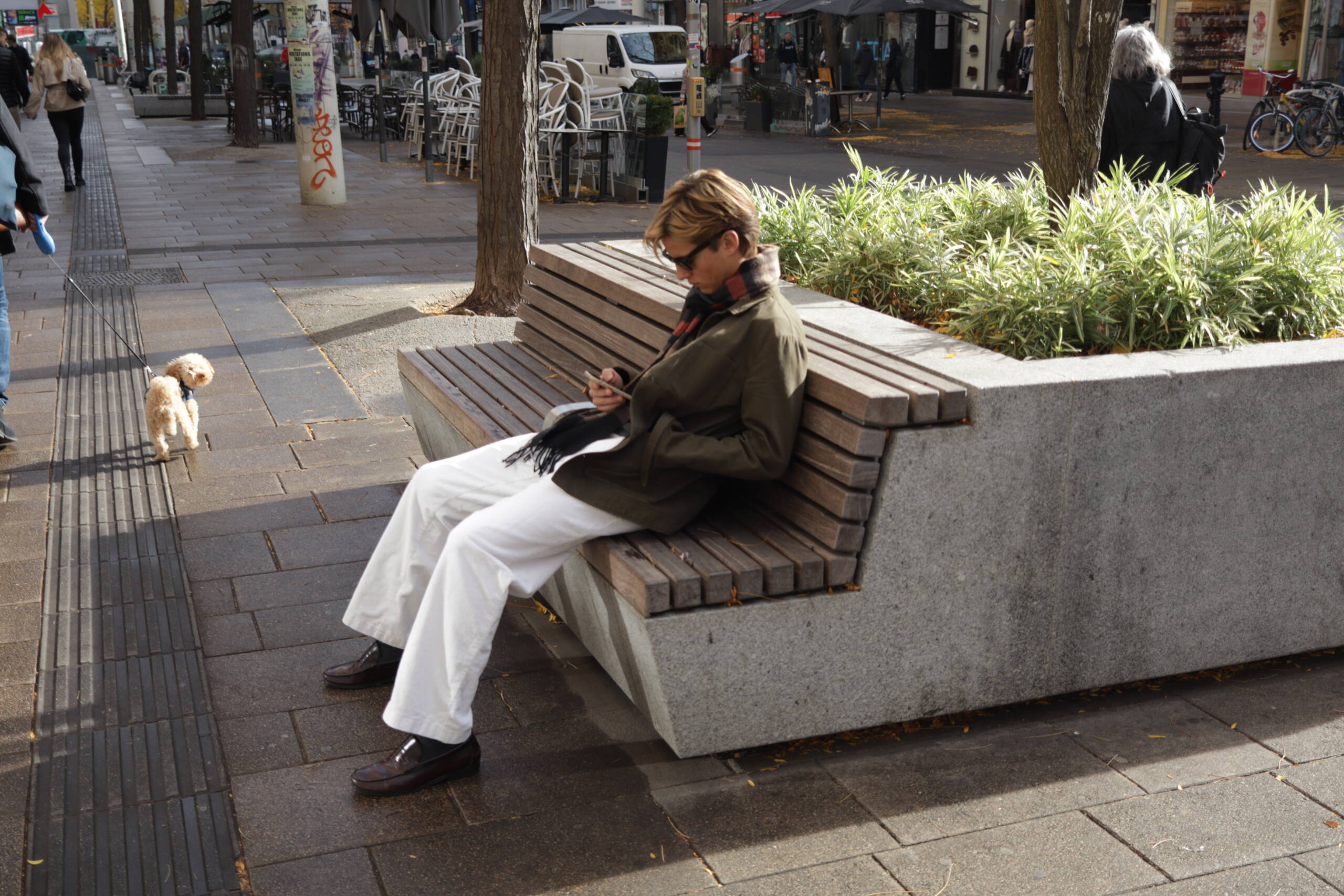
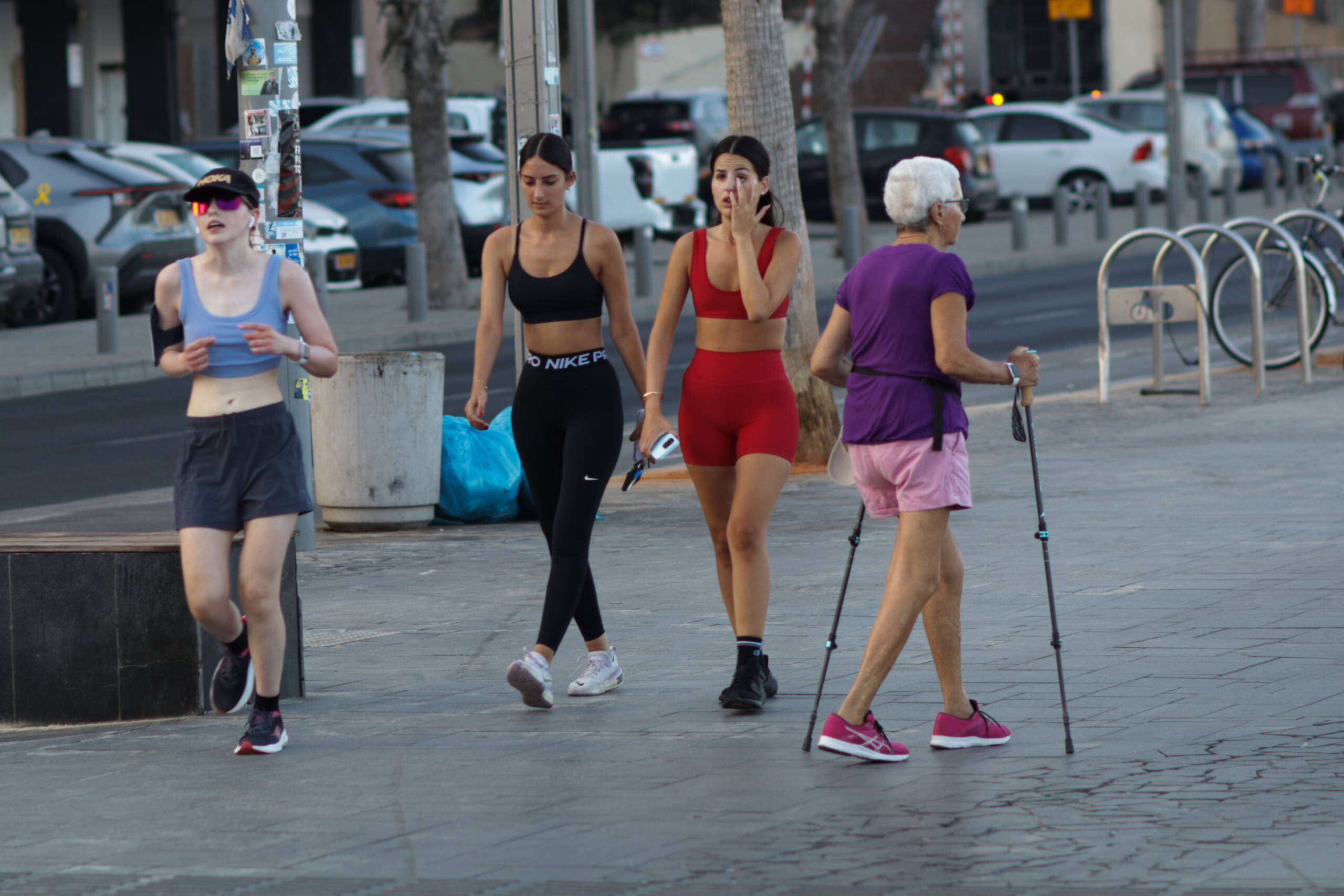
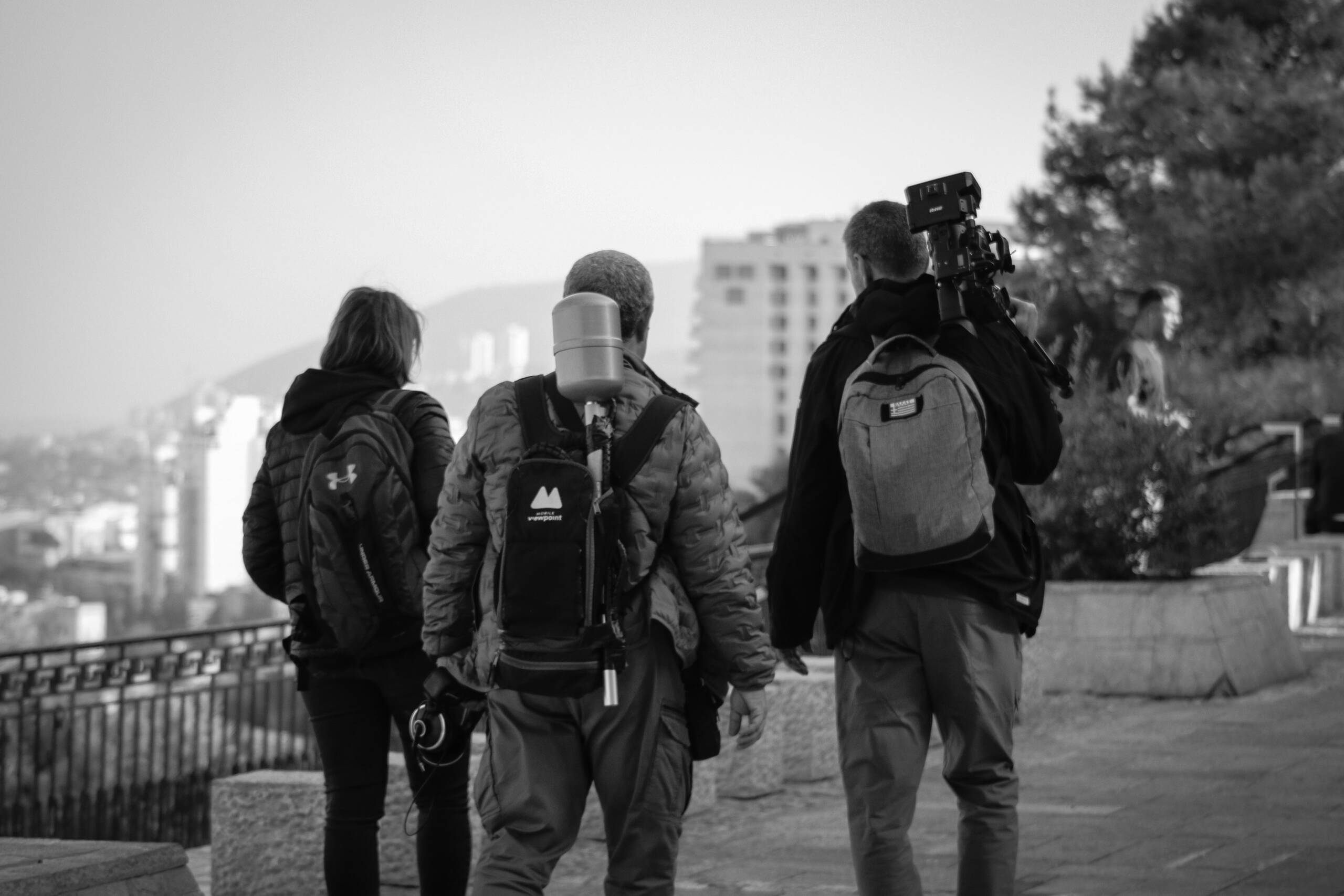
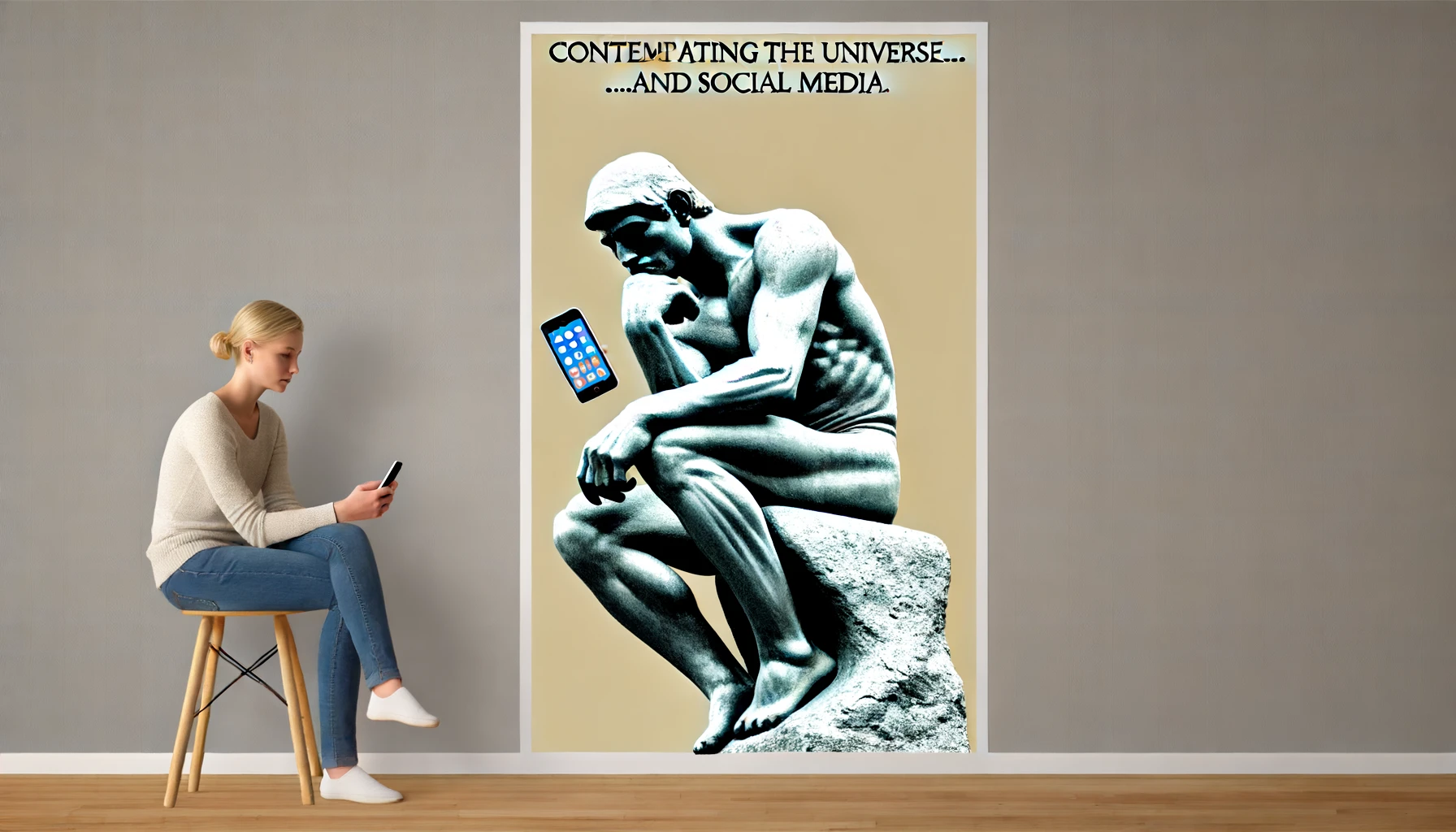
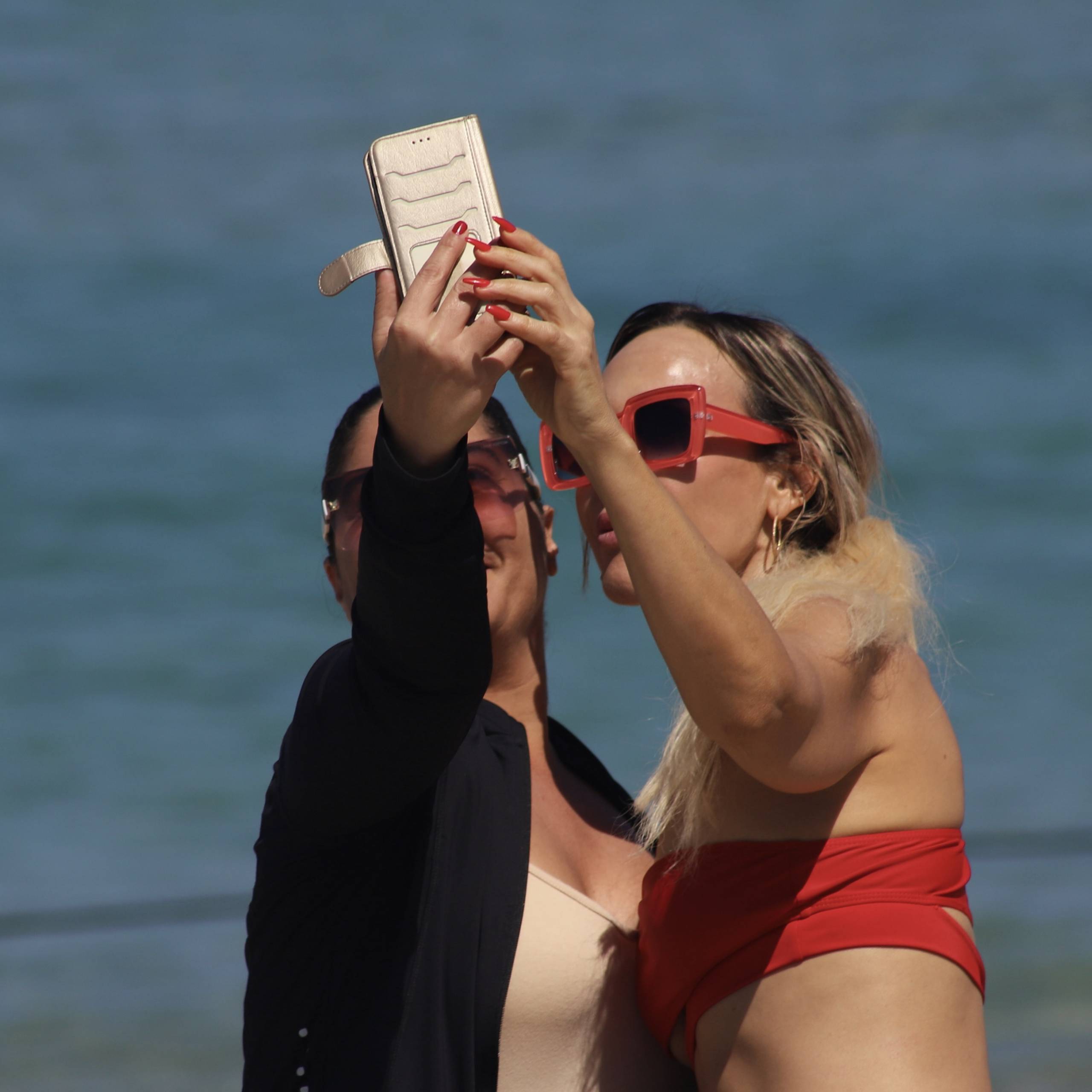
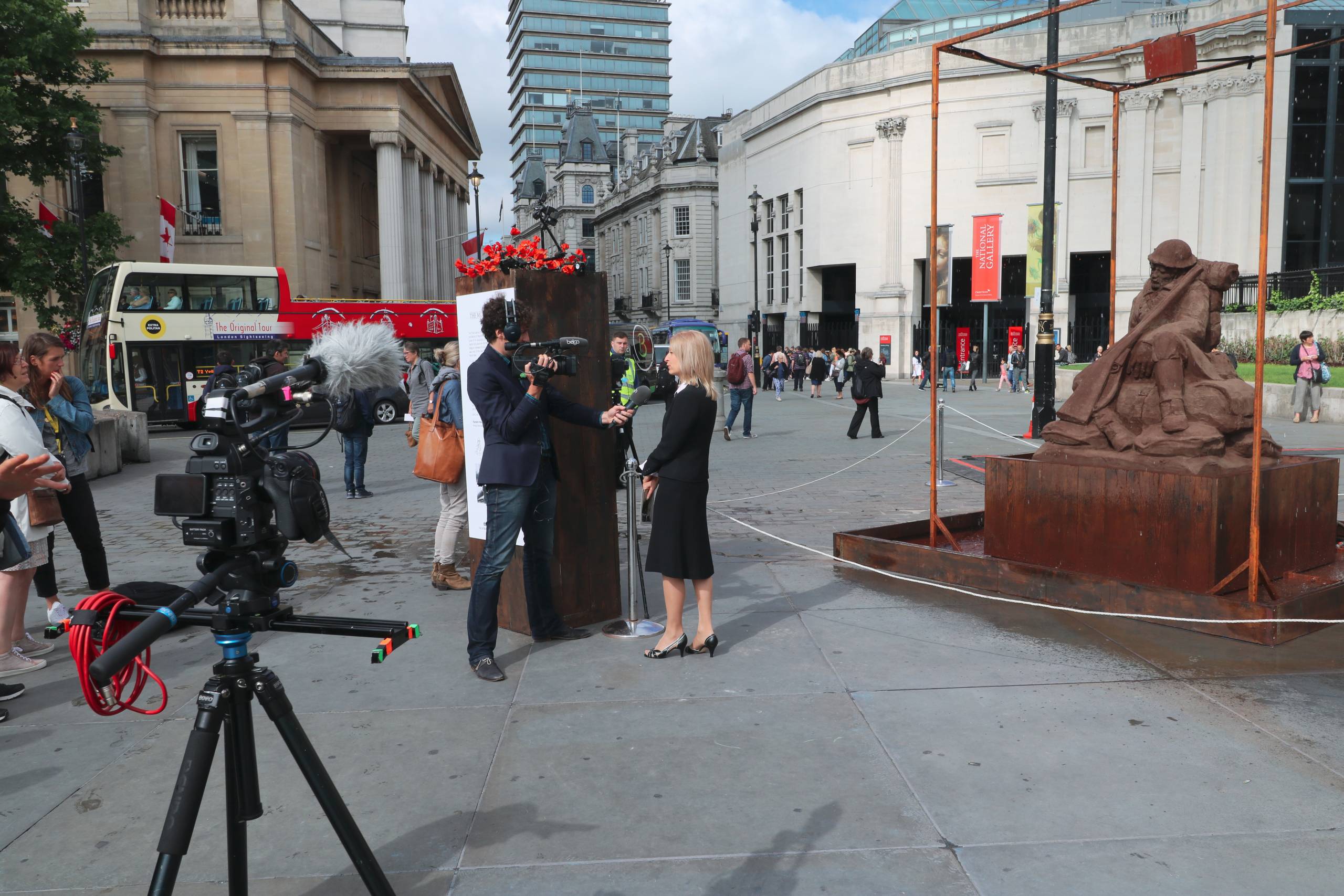
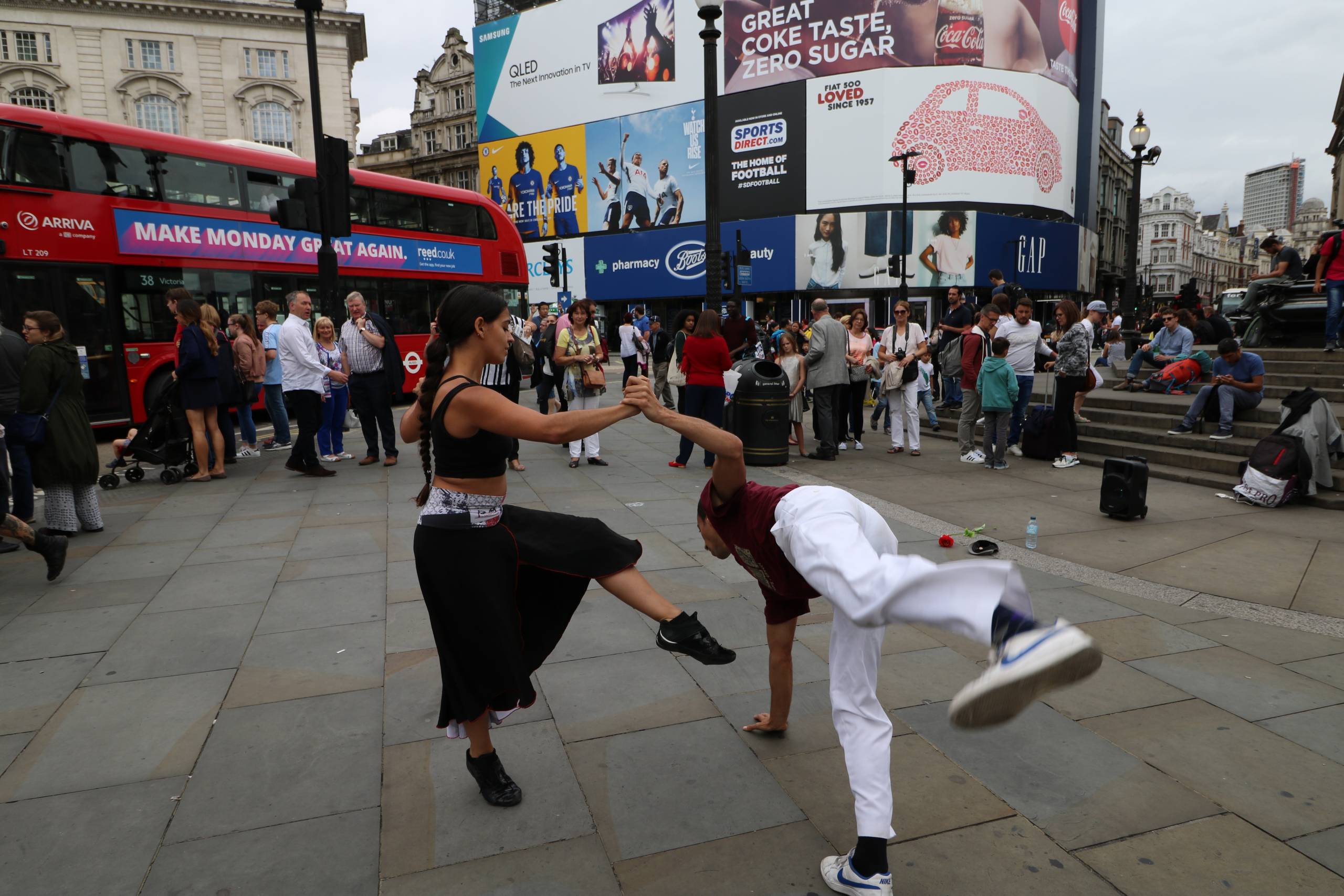
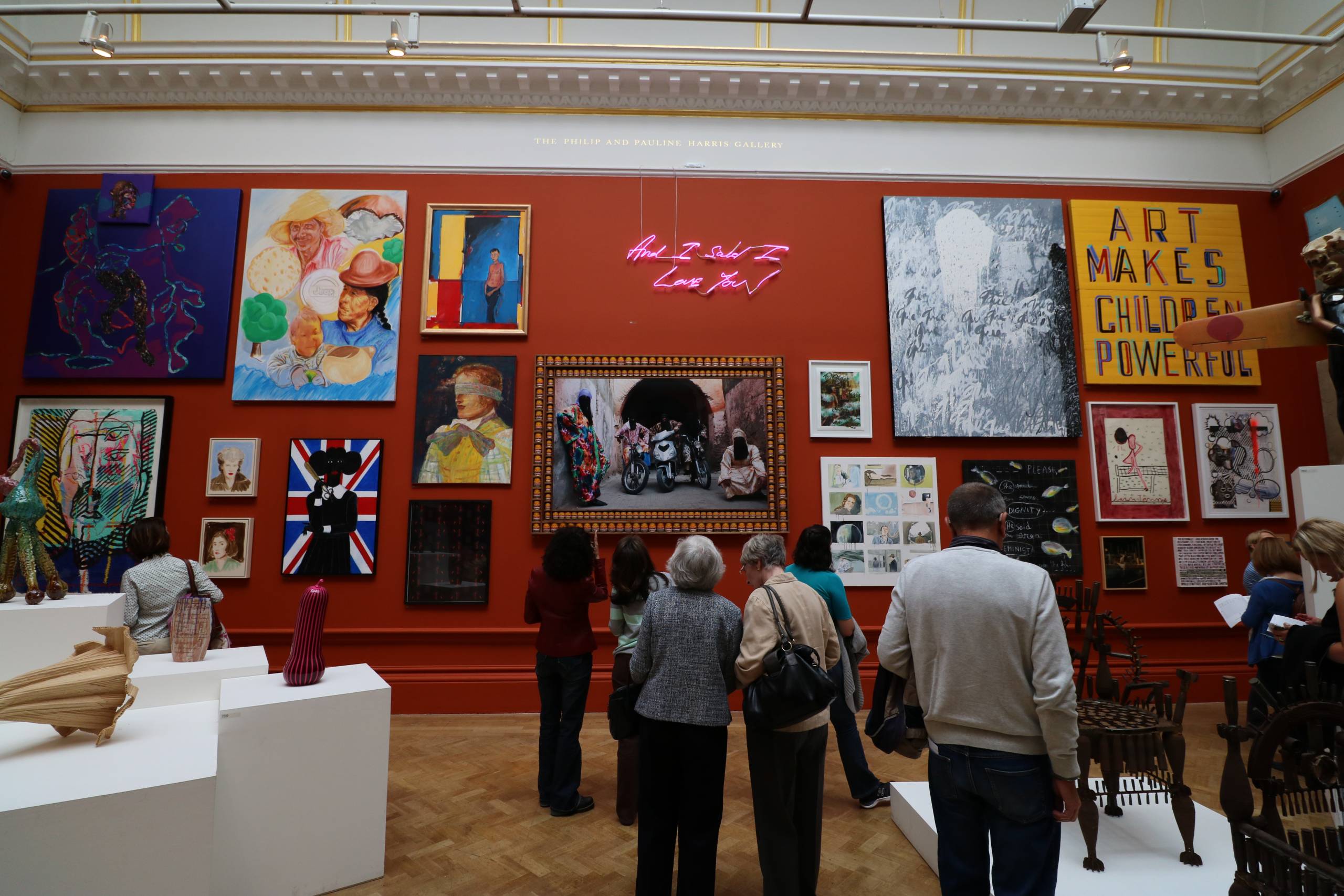
What makes a single frame work is usually one detail. Sometimes it’s a thing that shouldn’t be there, sometimes a thing that’s exactly where it should be. A woman looking at her phone next to a poster of Rodin’s Thinker. A news crew stopping someone outside the National Gallery. A couple dancing in Piccadilly Circus while everyone else walks past. The picture is ordinary right up until that detail lands. Then it’s a story.
Sequences do the heavy lifting
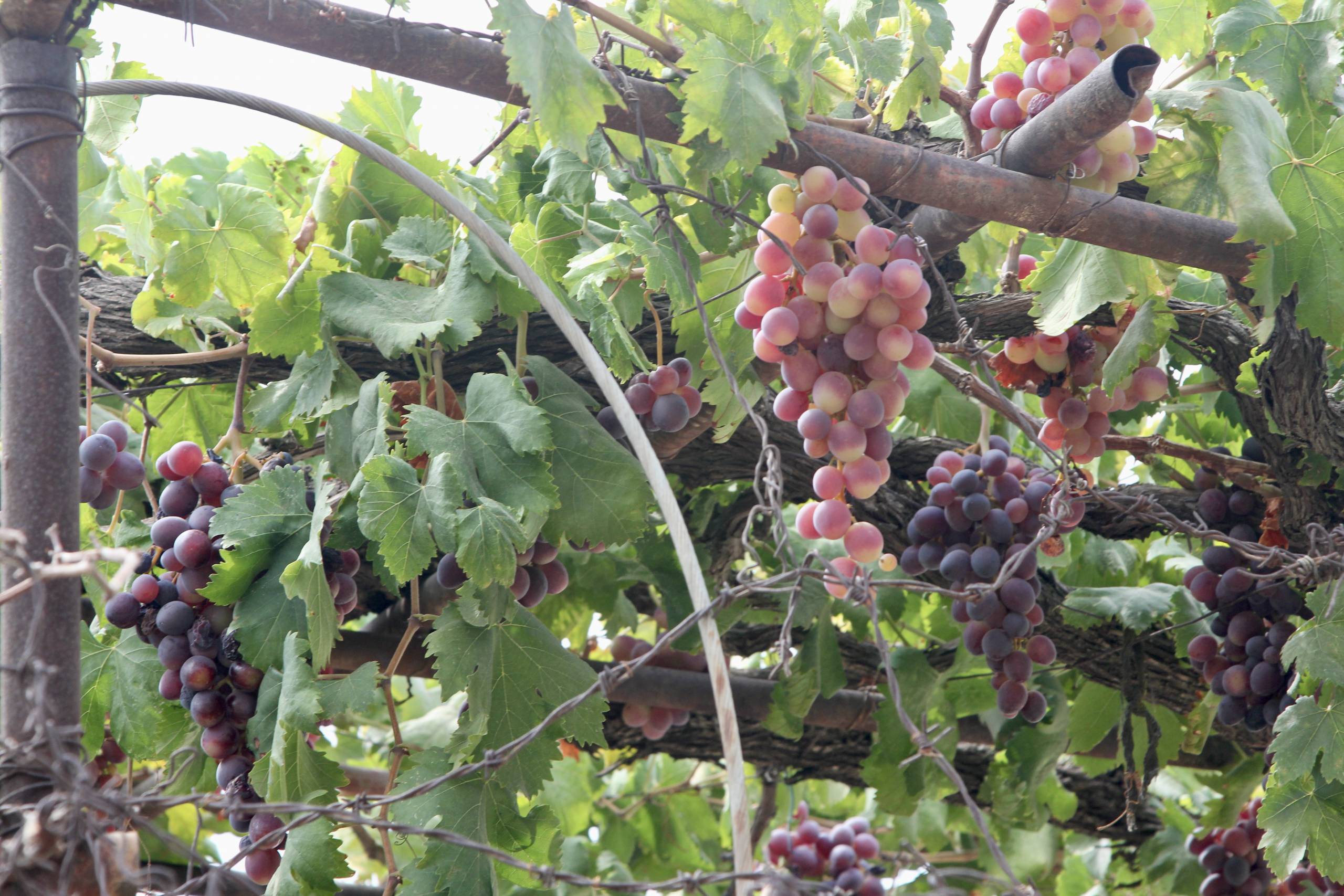
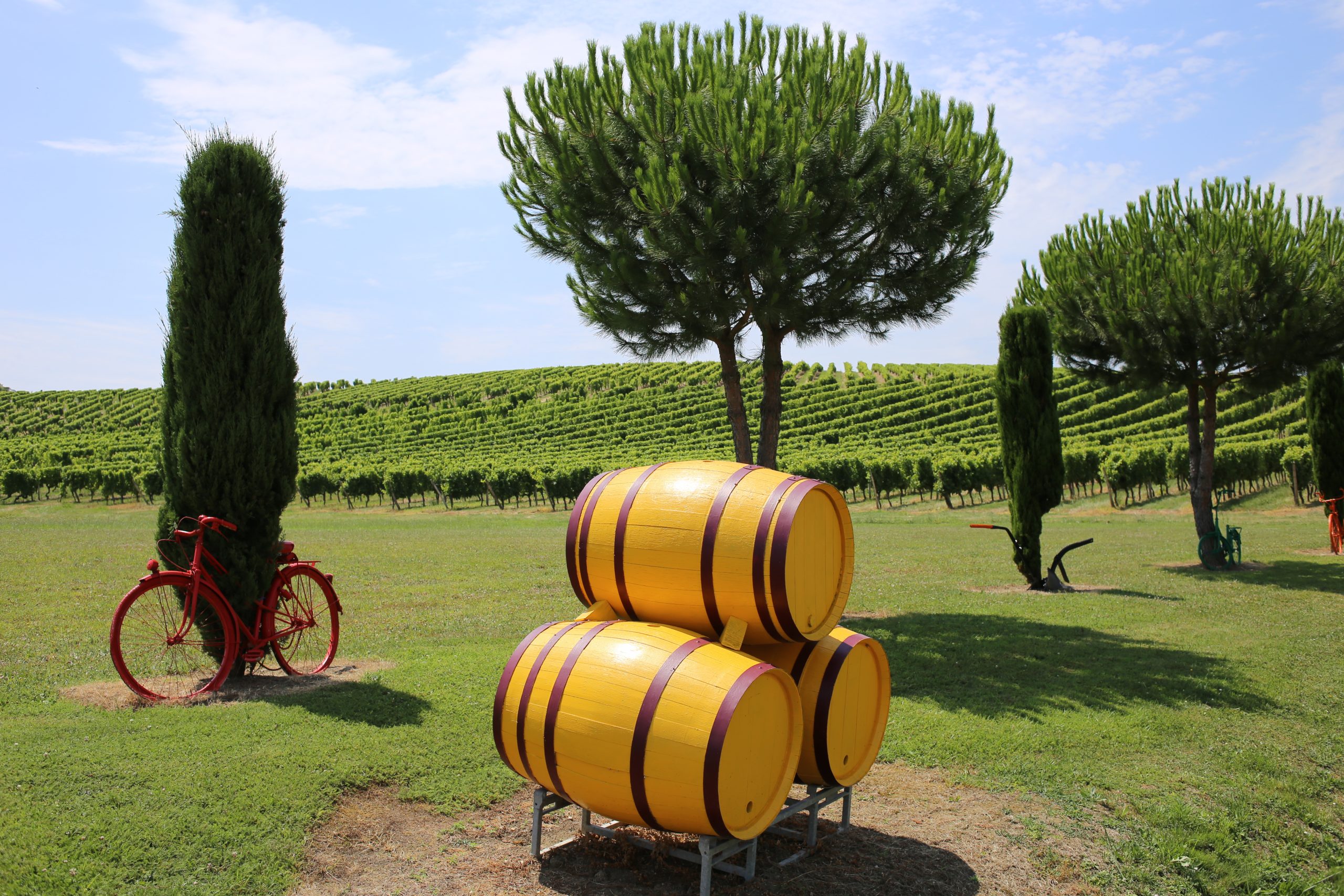
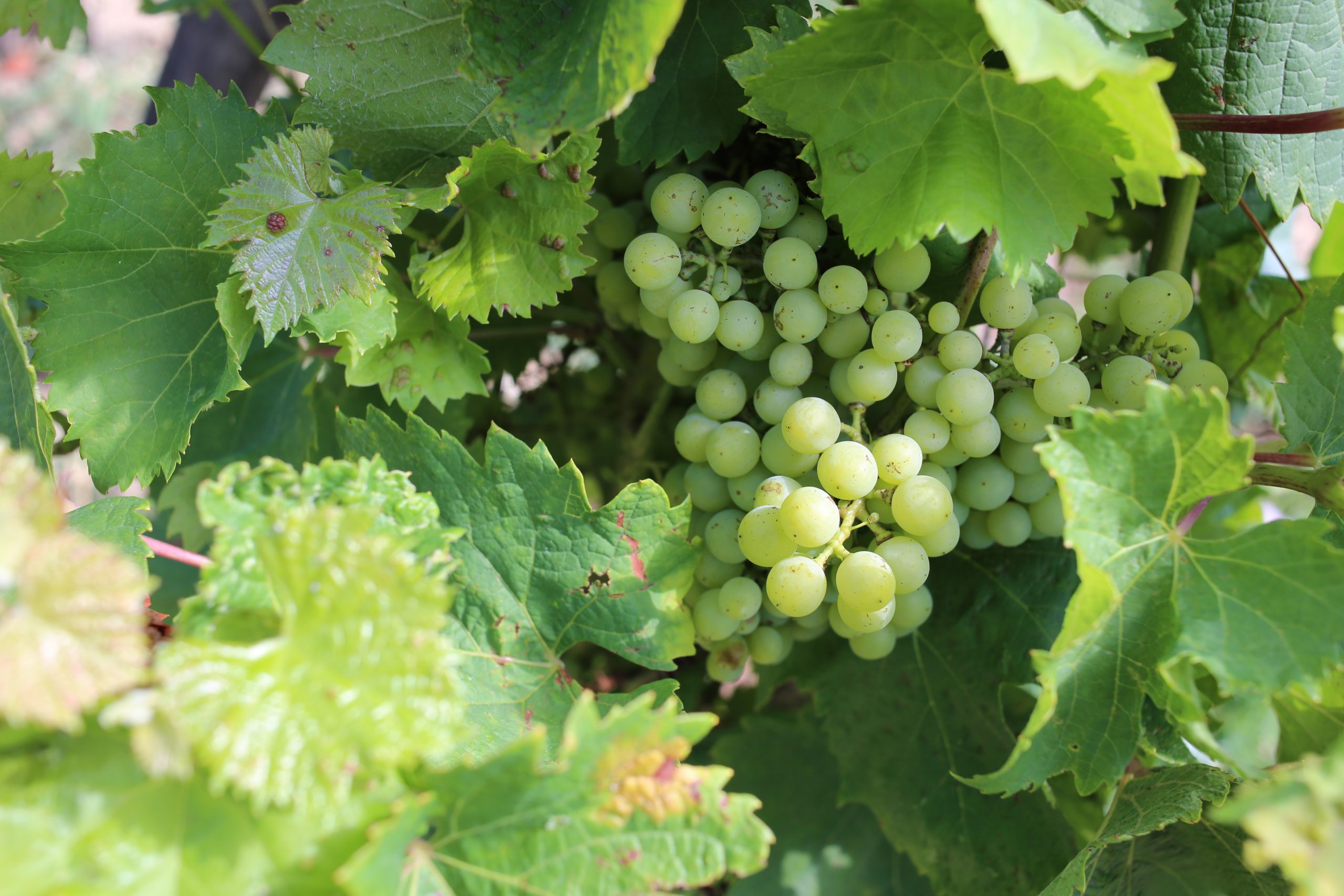
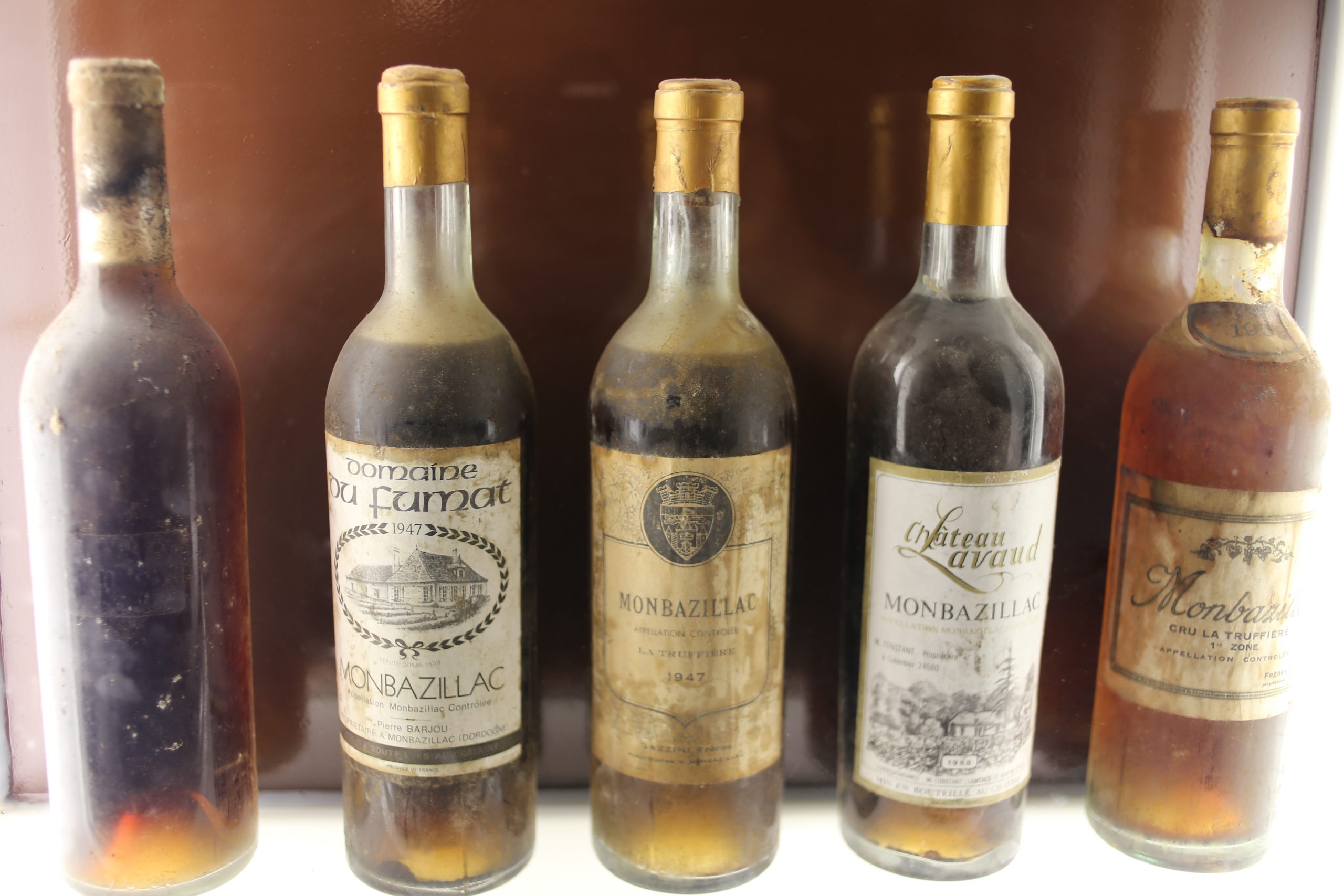
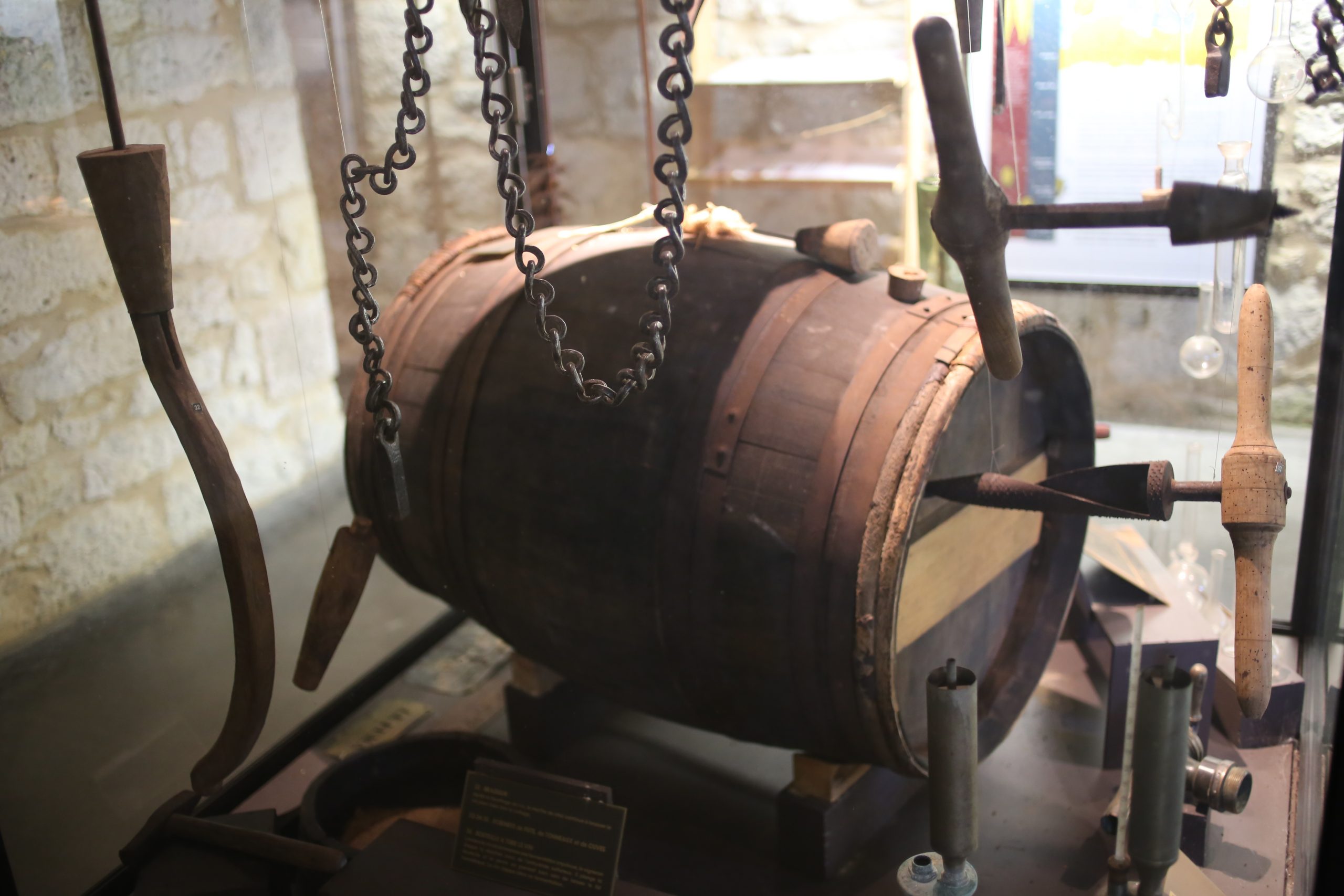
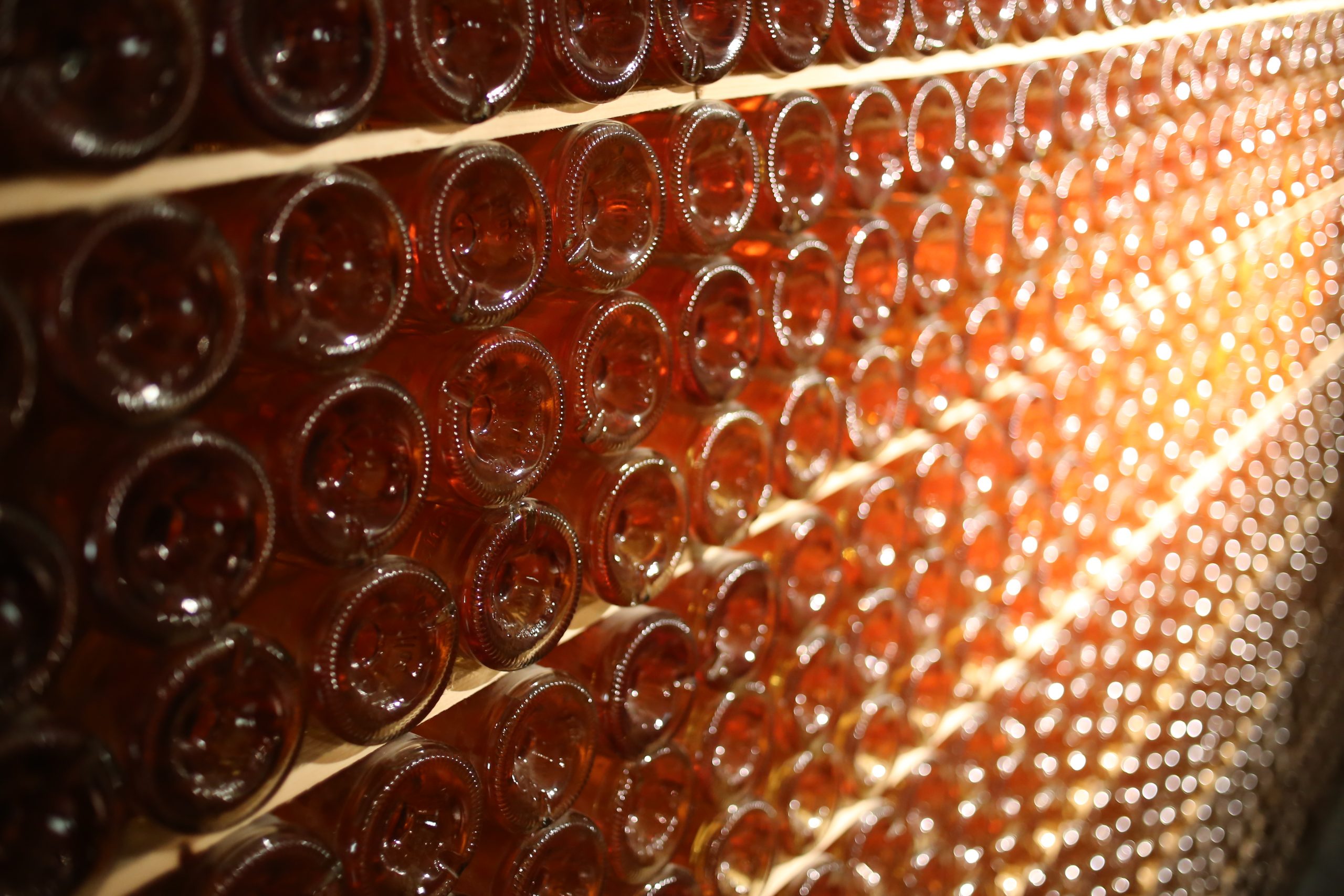
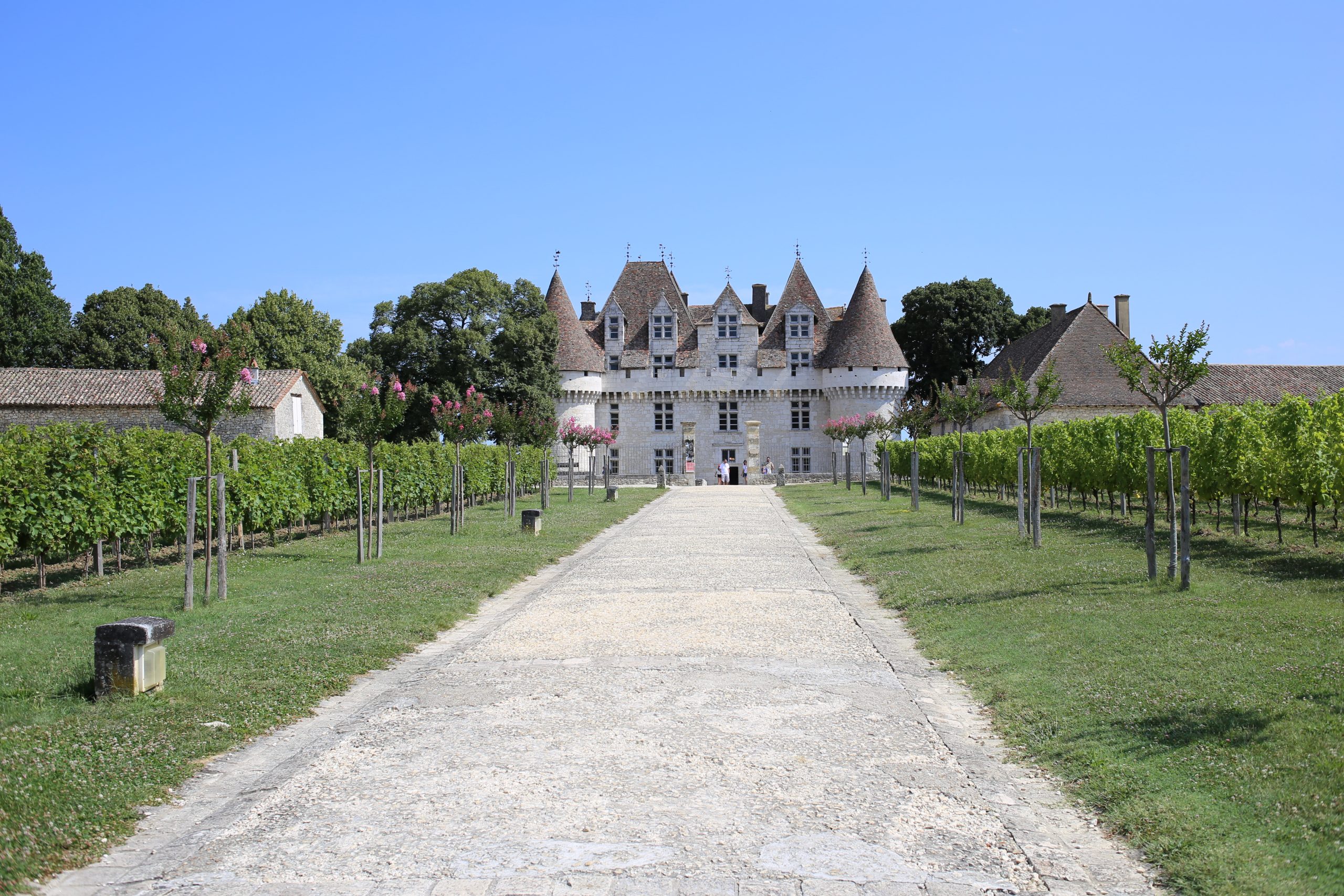
Put two or three pictures side by side and something else happens. The eye starts building a plot. The wine images are a good example: grapes on the vine, yellow barrels next to a red bicycle, an old barrel with its tools, rows of dusty bottles, a chateau at the end of a vineyard path. None of those frames says “this is how wine gets made.” Together they walk you through it anyway, more or less in order.
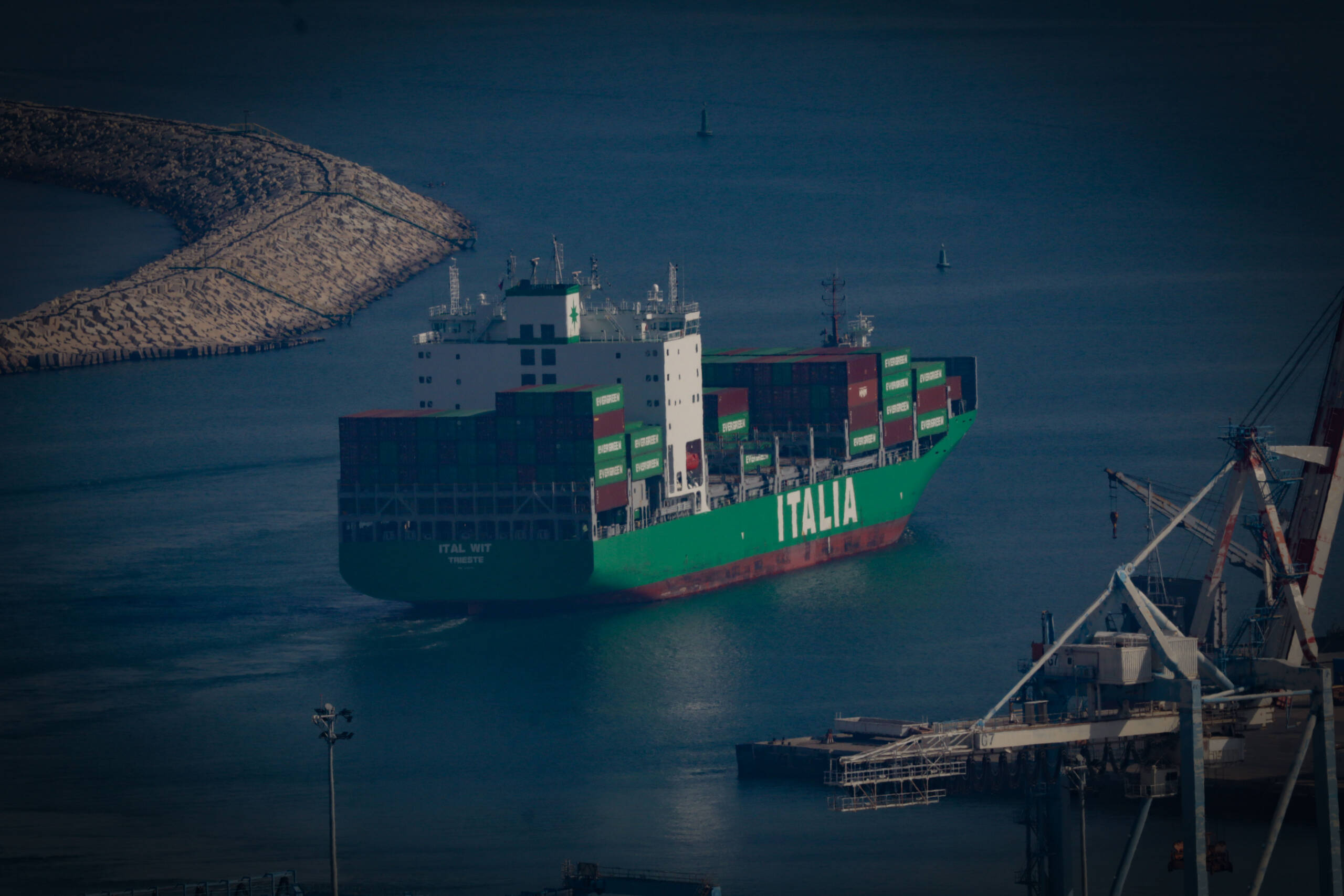
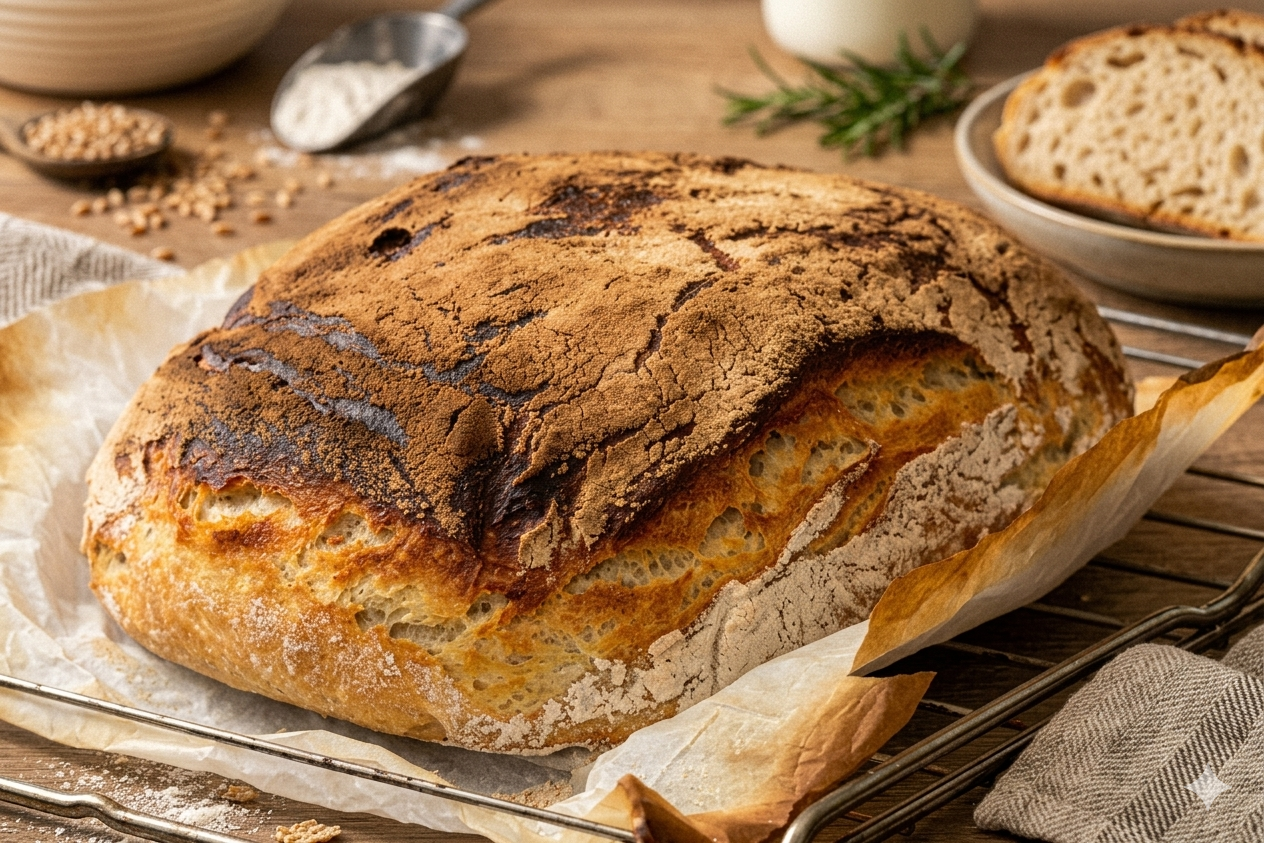
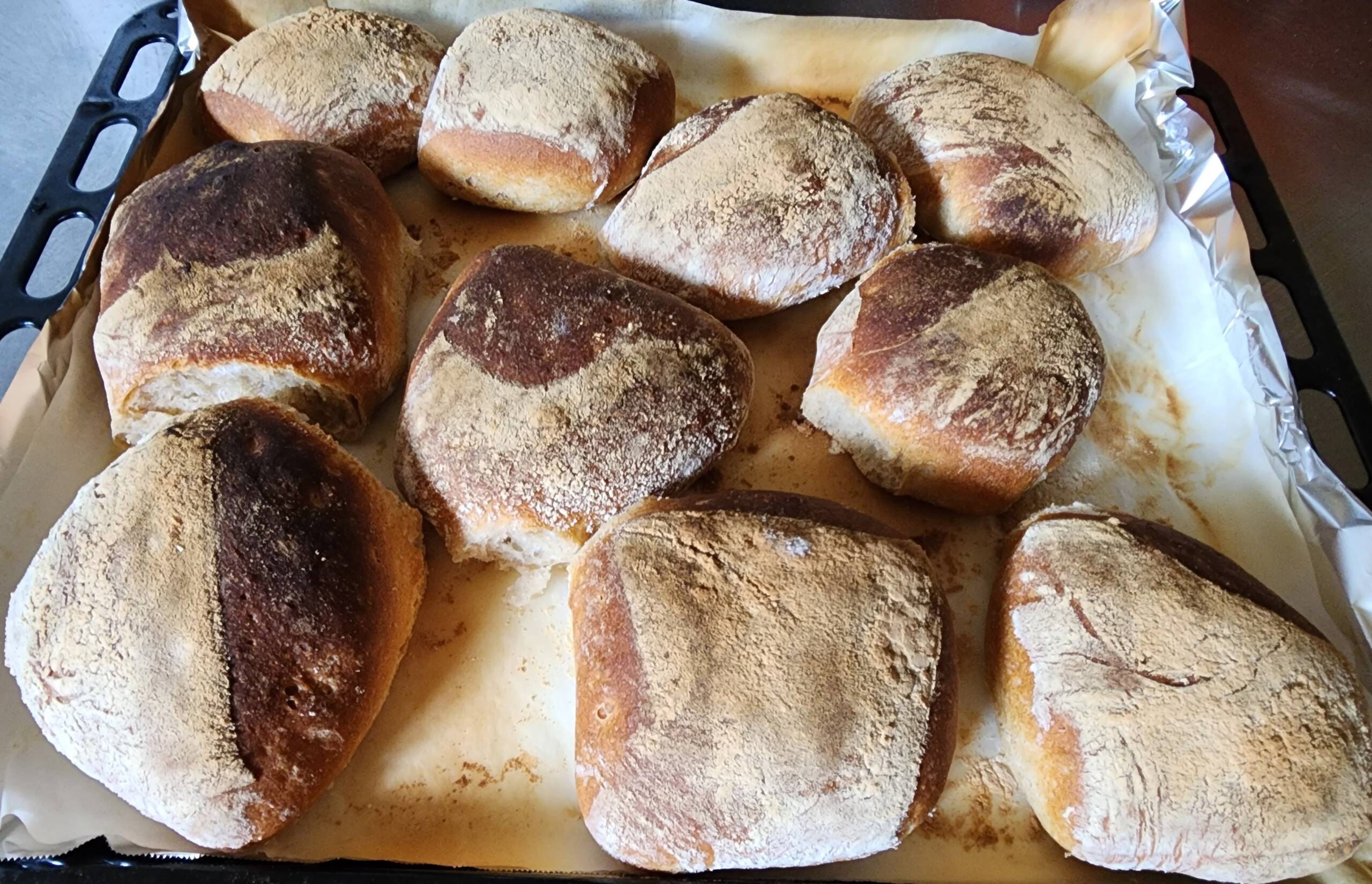
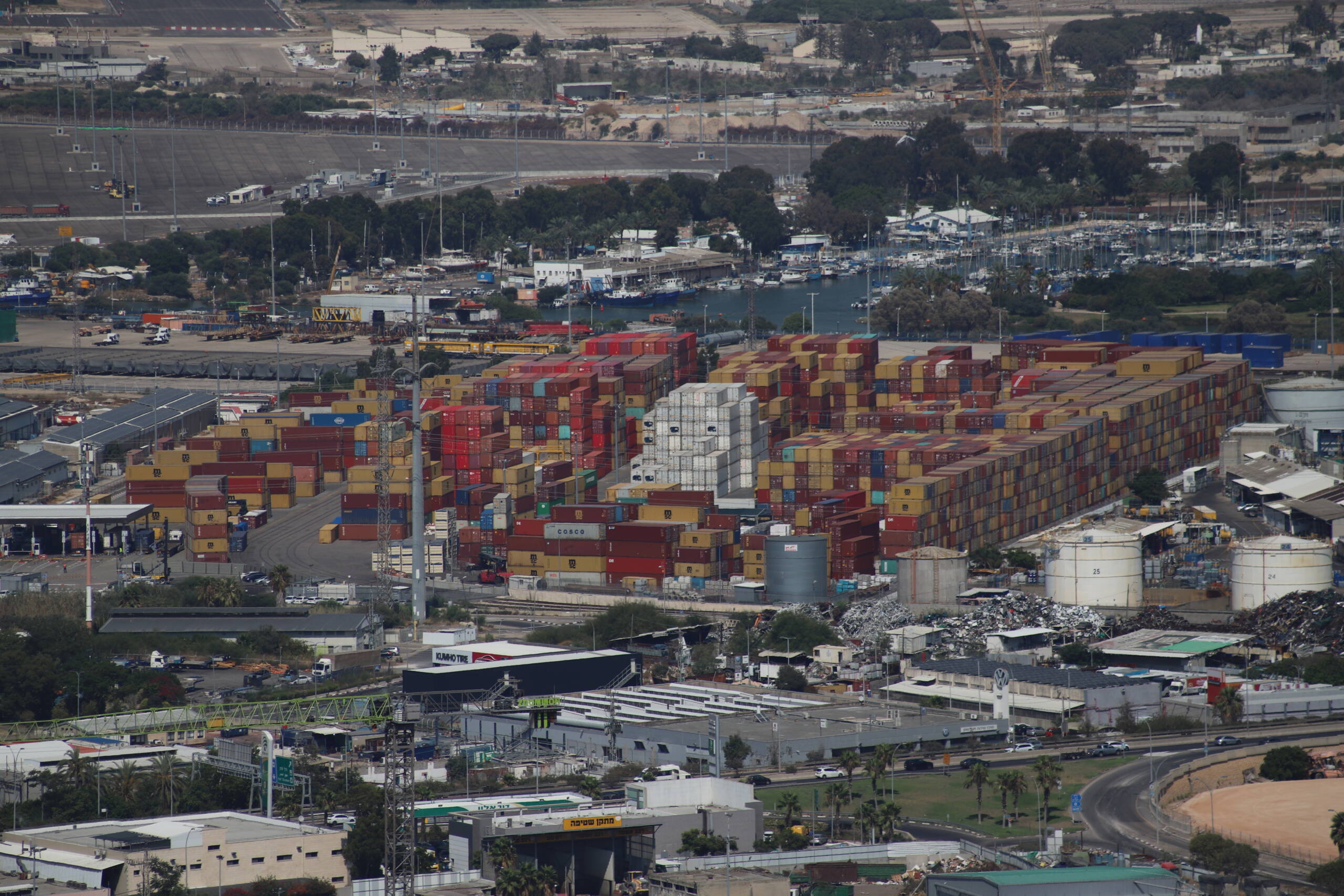
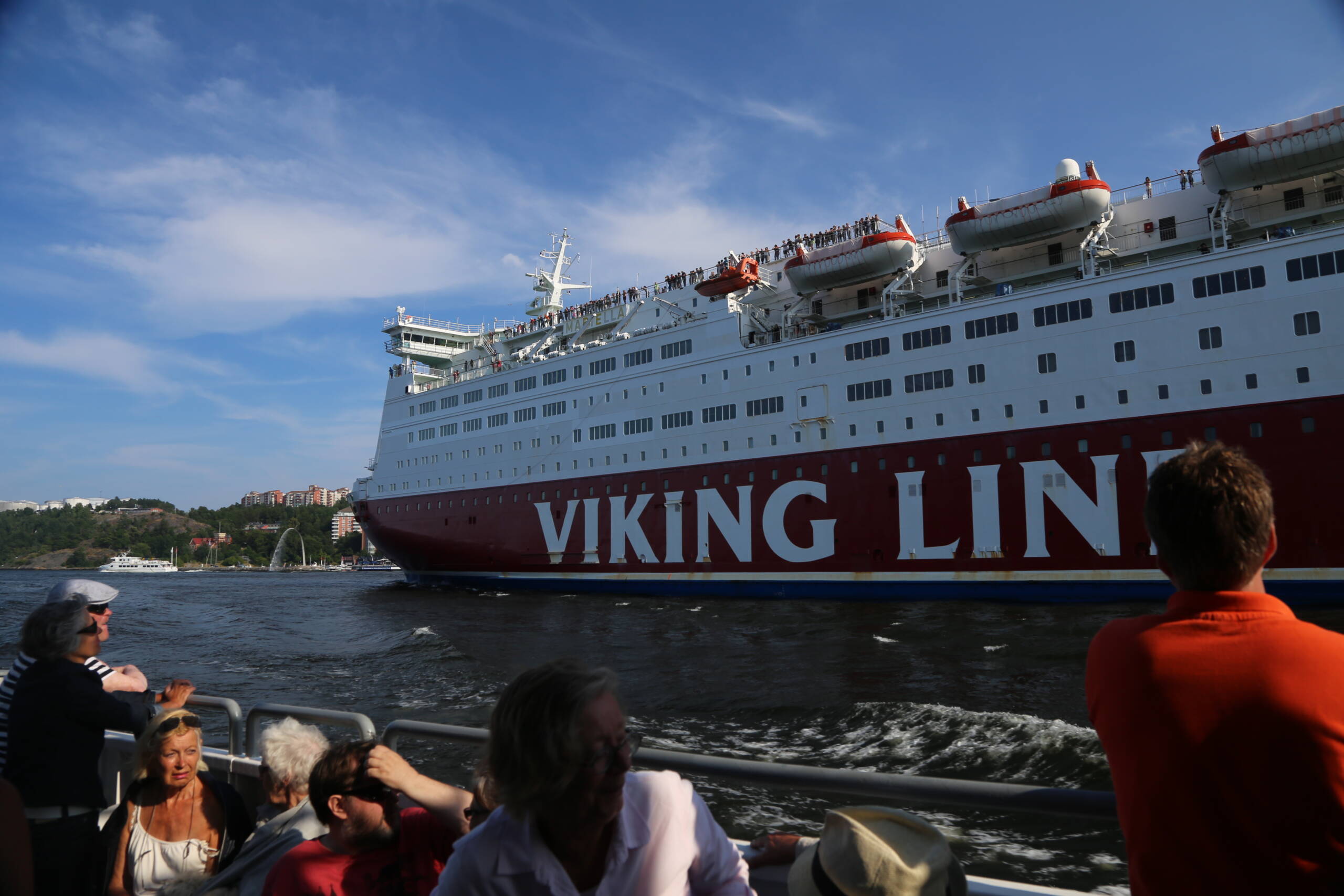
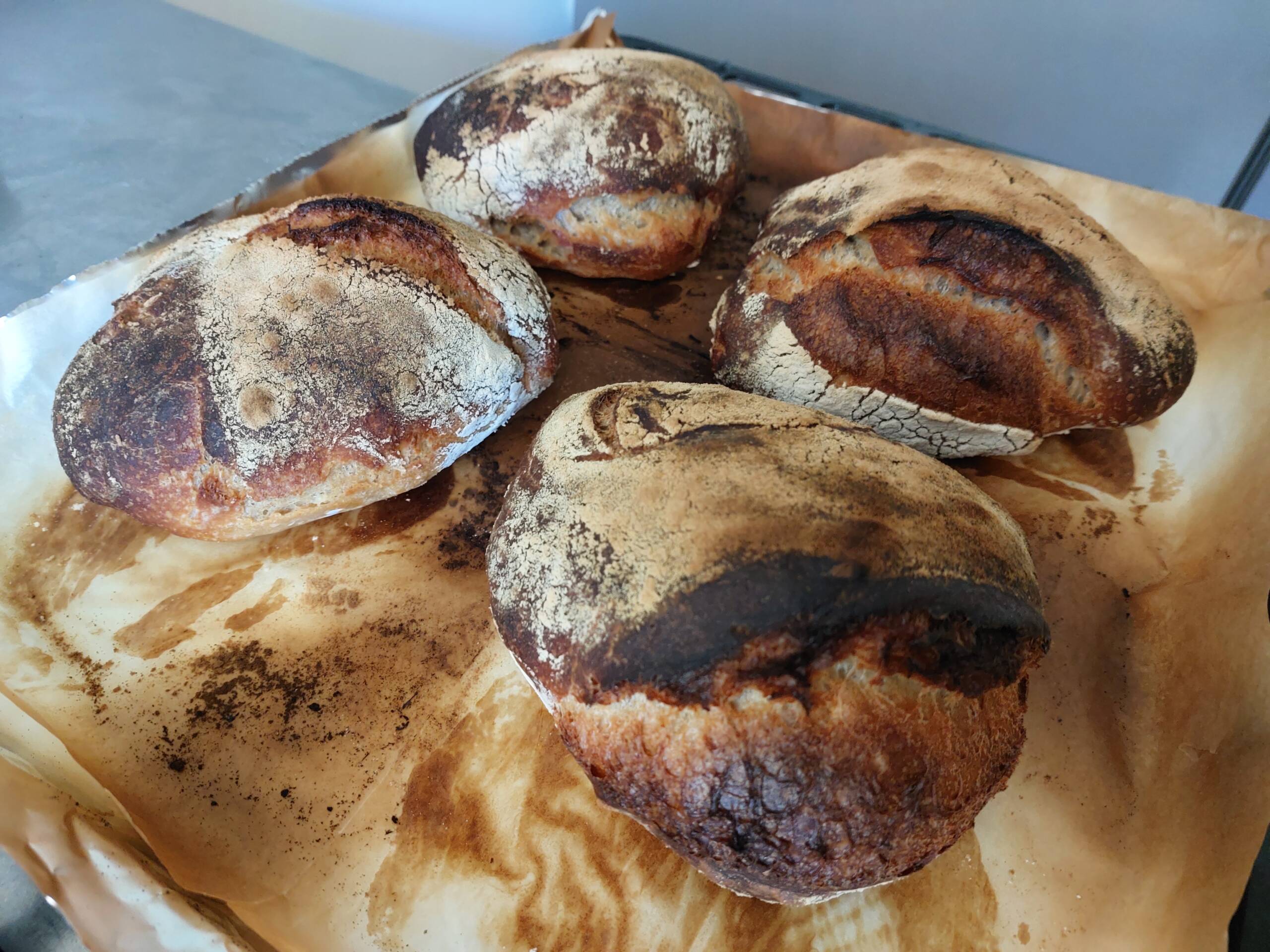
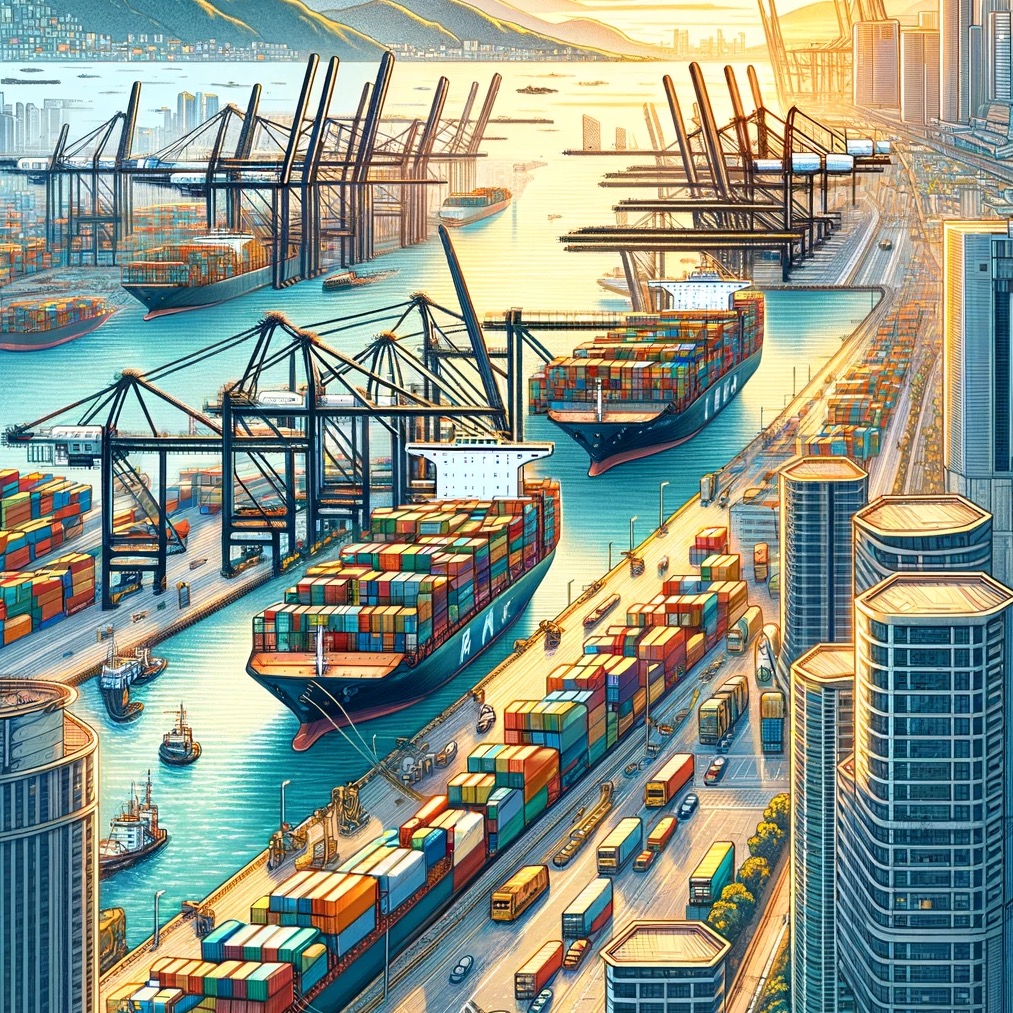
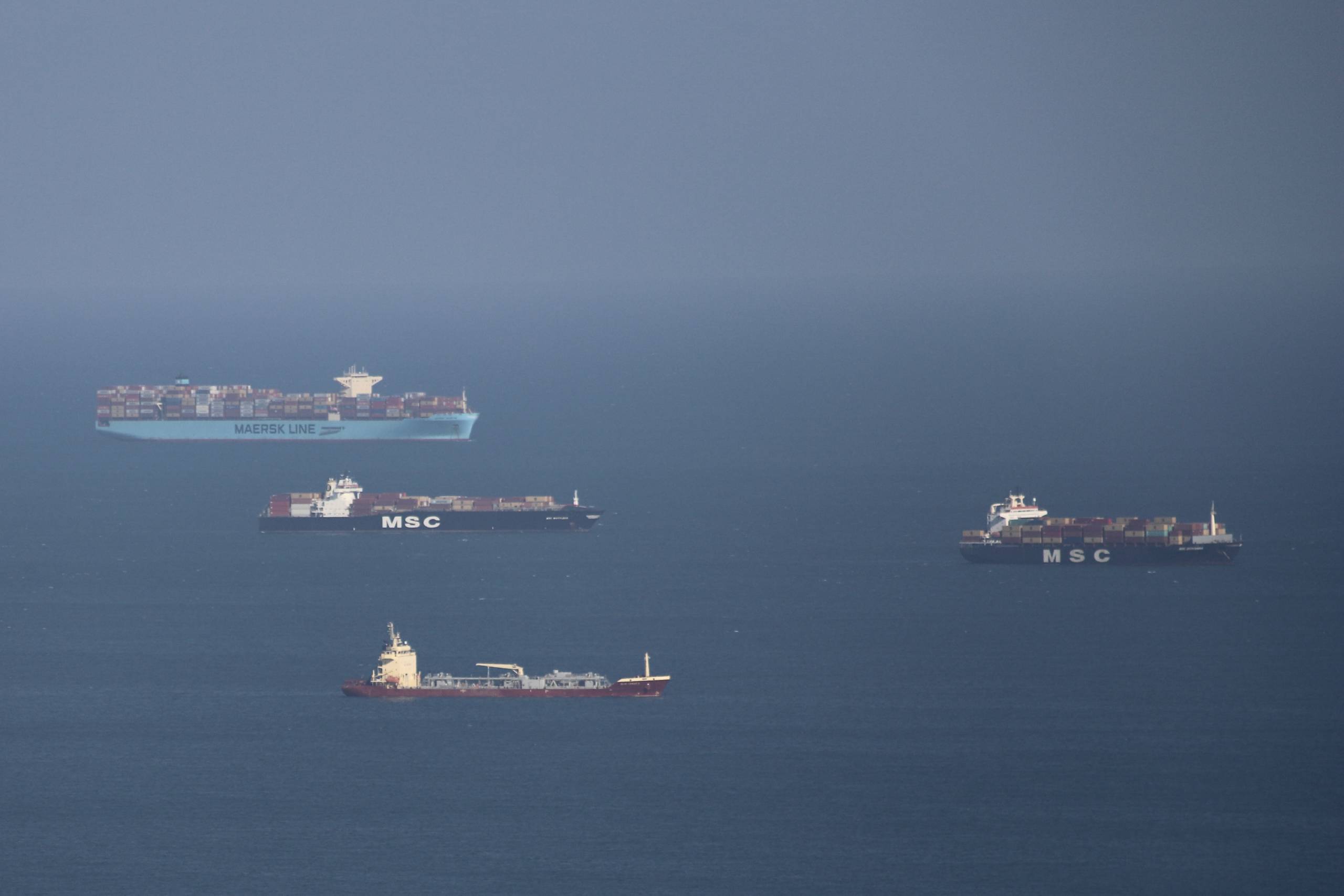
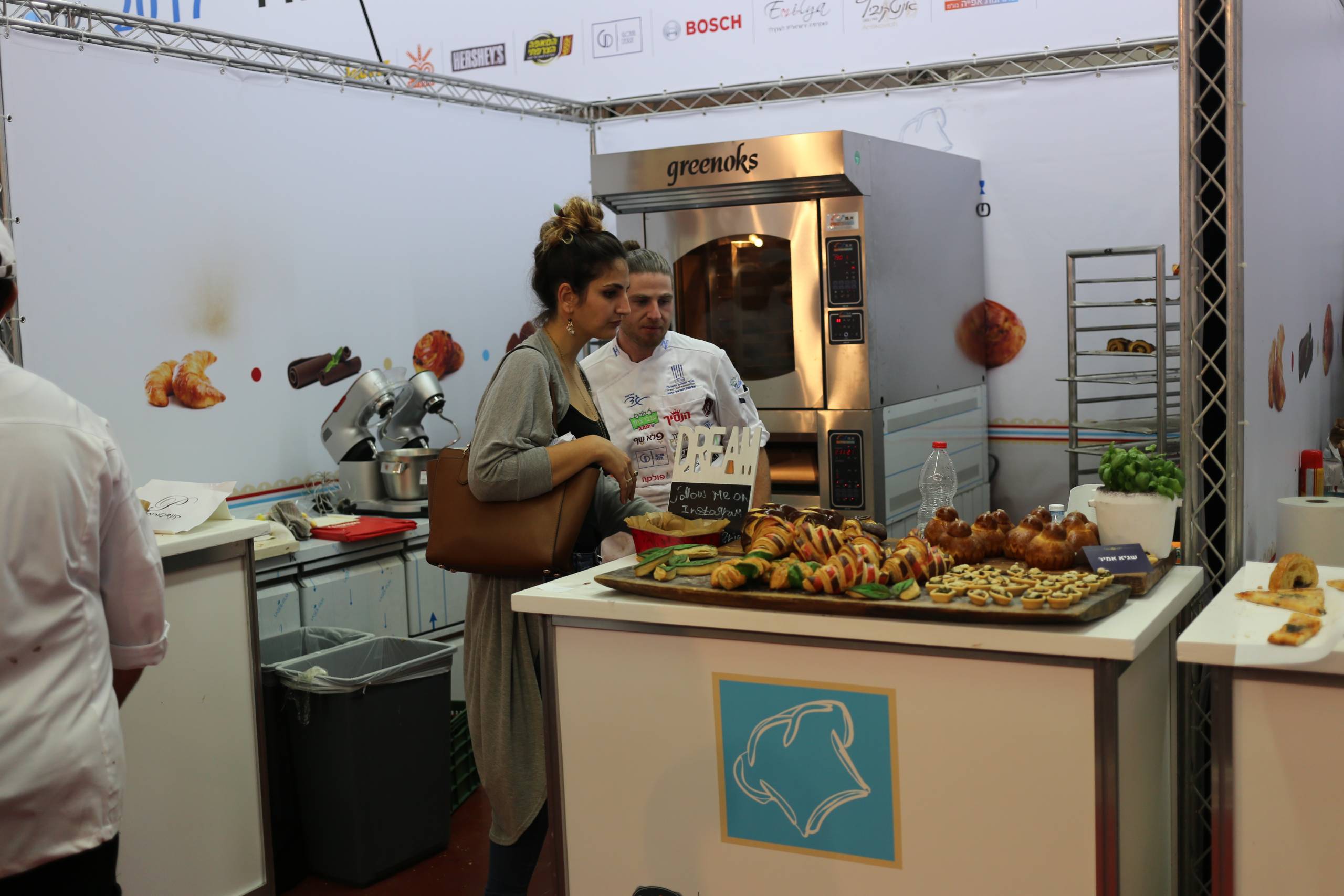
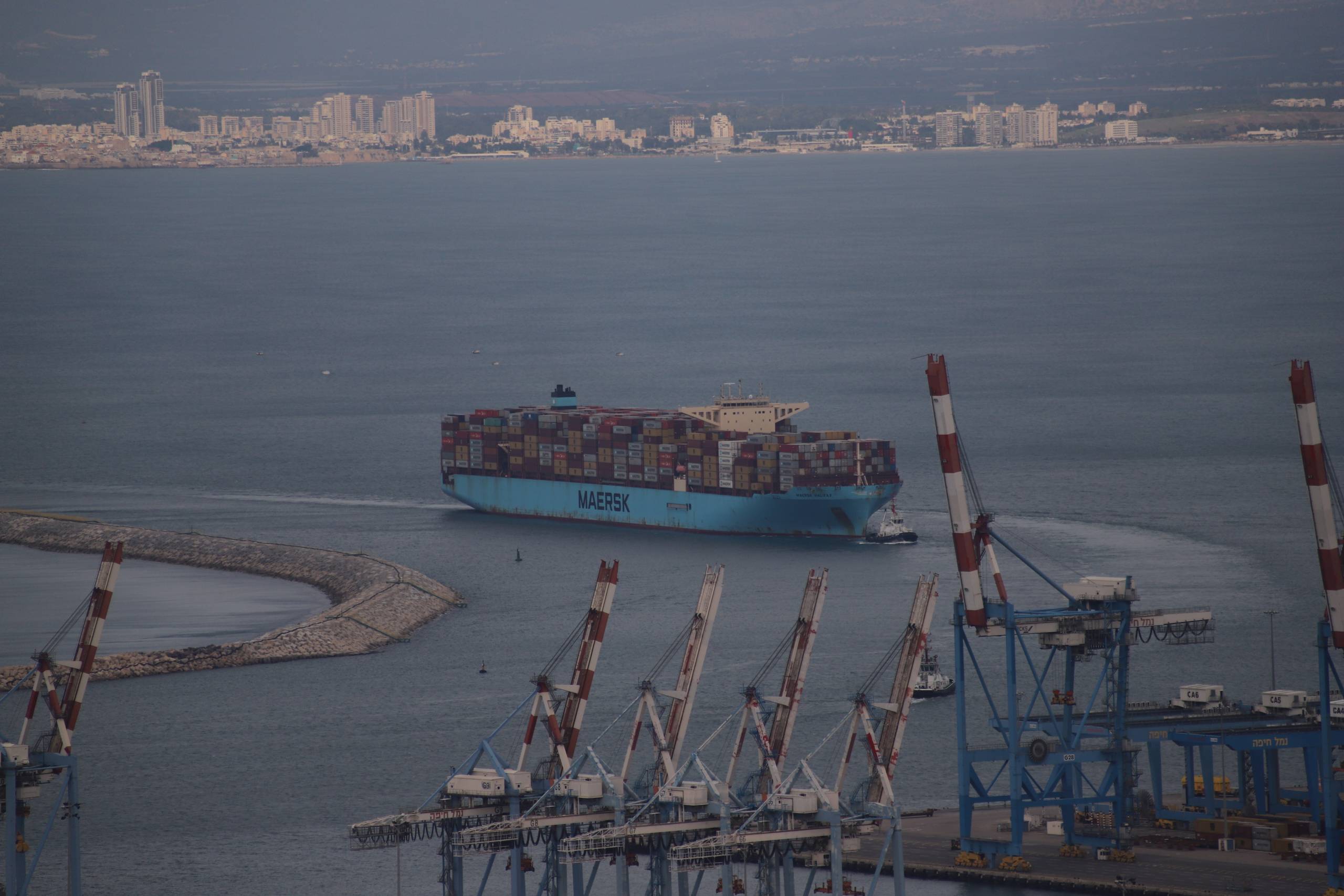
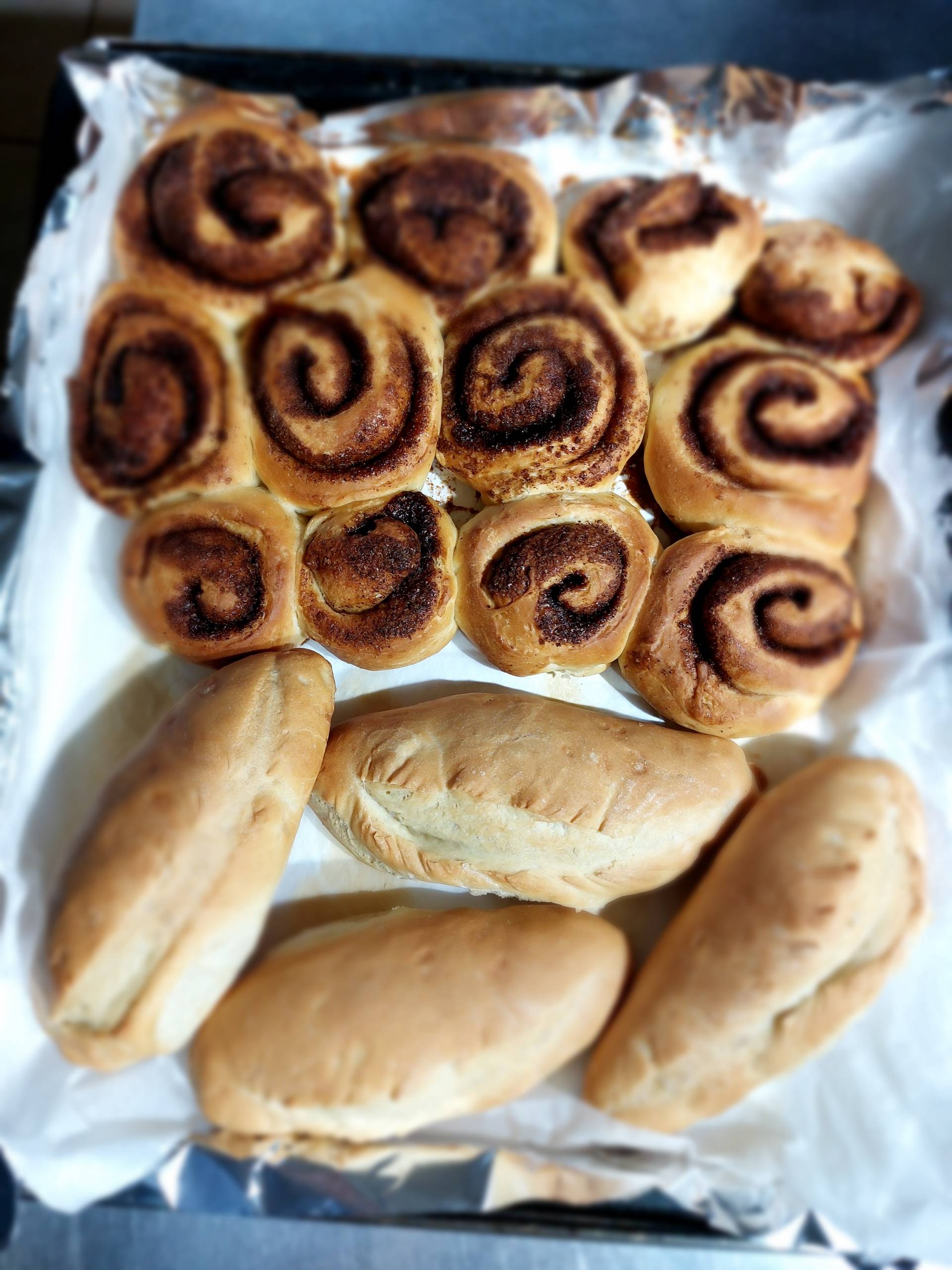
Same with the bread. Flour-dusted rolls on a tray, a rustic loaf, four artisan loaves cooling, cinnamon rolls, a bakery booth at a food expo. Or the shipping set: a green container ship in harbor, a container yard seen from above, a Maersk ship coming into port with the cranes waiting. Nobody planned these as series. They turned into series once they landed on the same page.
This is the part people underrate. Editing is storytelling too. What sits next to what changes how both pictures read. Film editors figured this out a long time ago with the old experiment where the same blank face looks hungry, sad or tender depending on the shot that follows it. A gallery works the same way, just slower, because you’re the one doing the scrolling.
Real, staged and generated
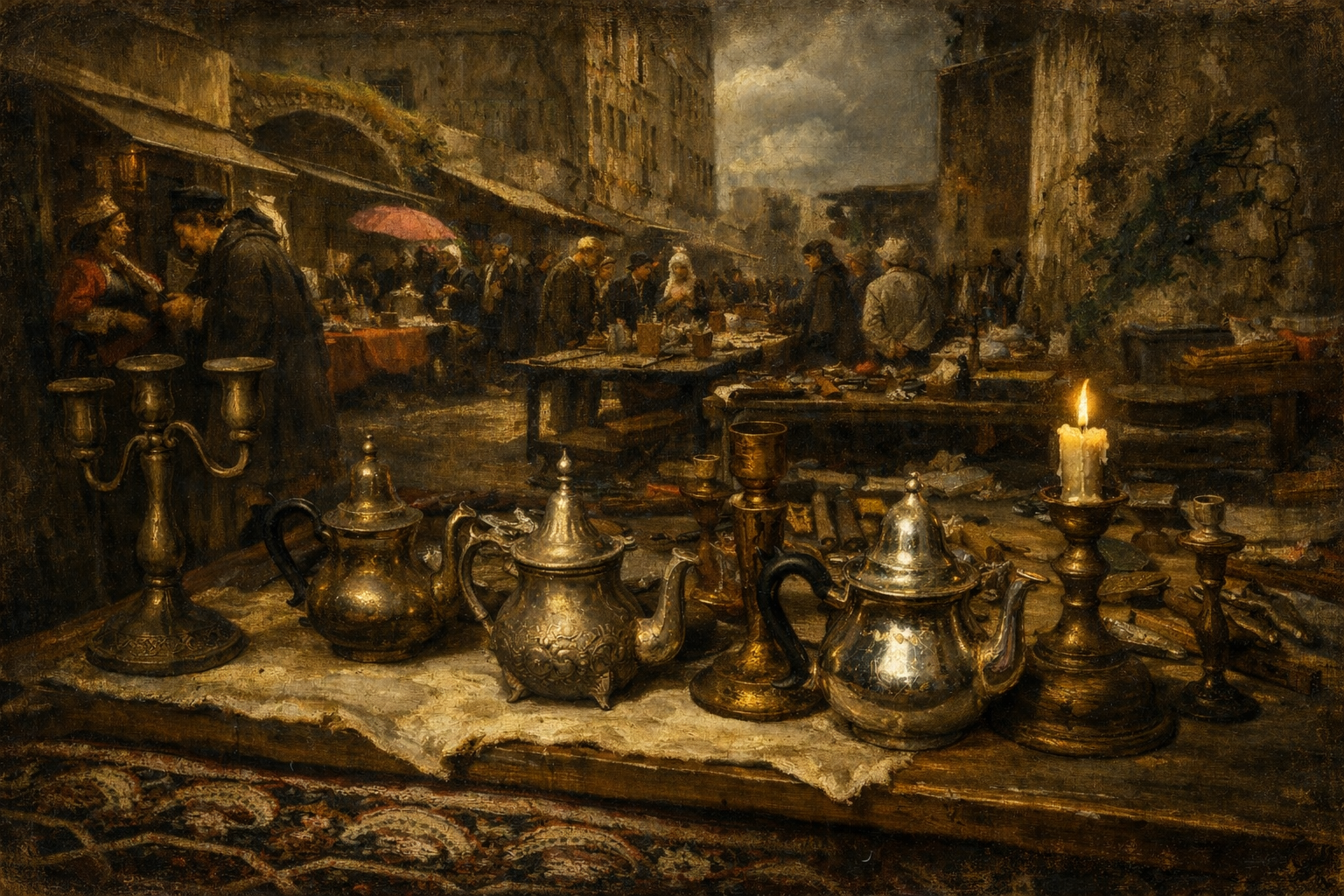
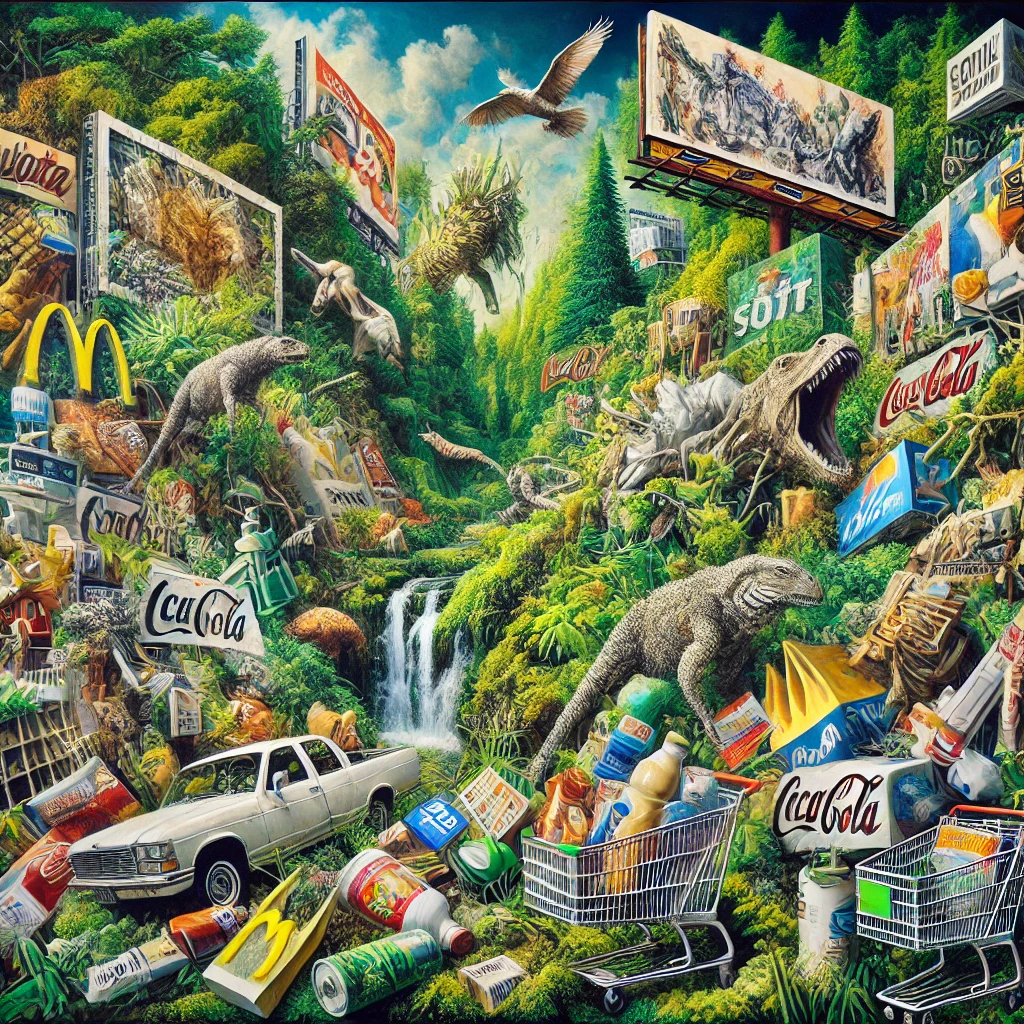
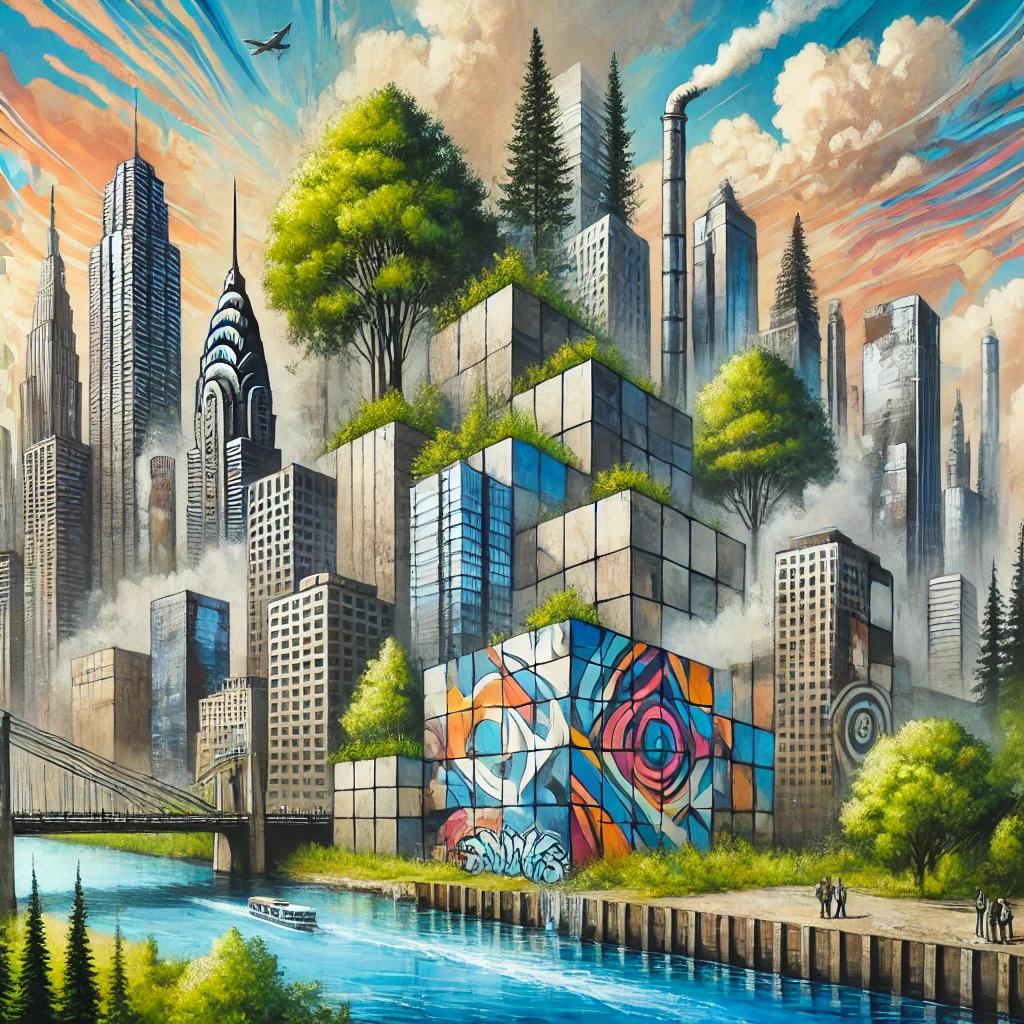
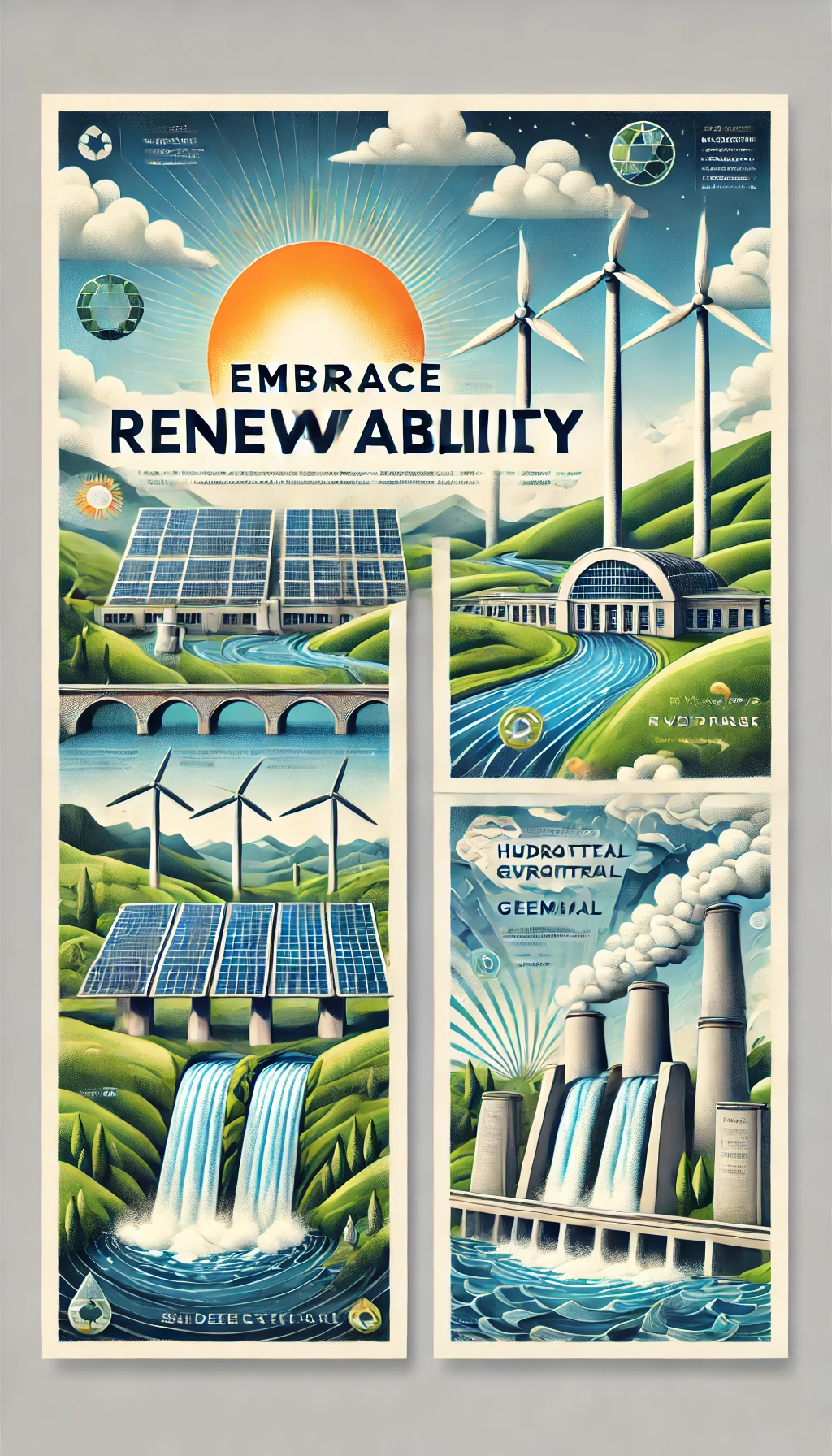
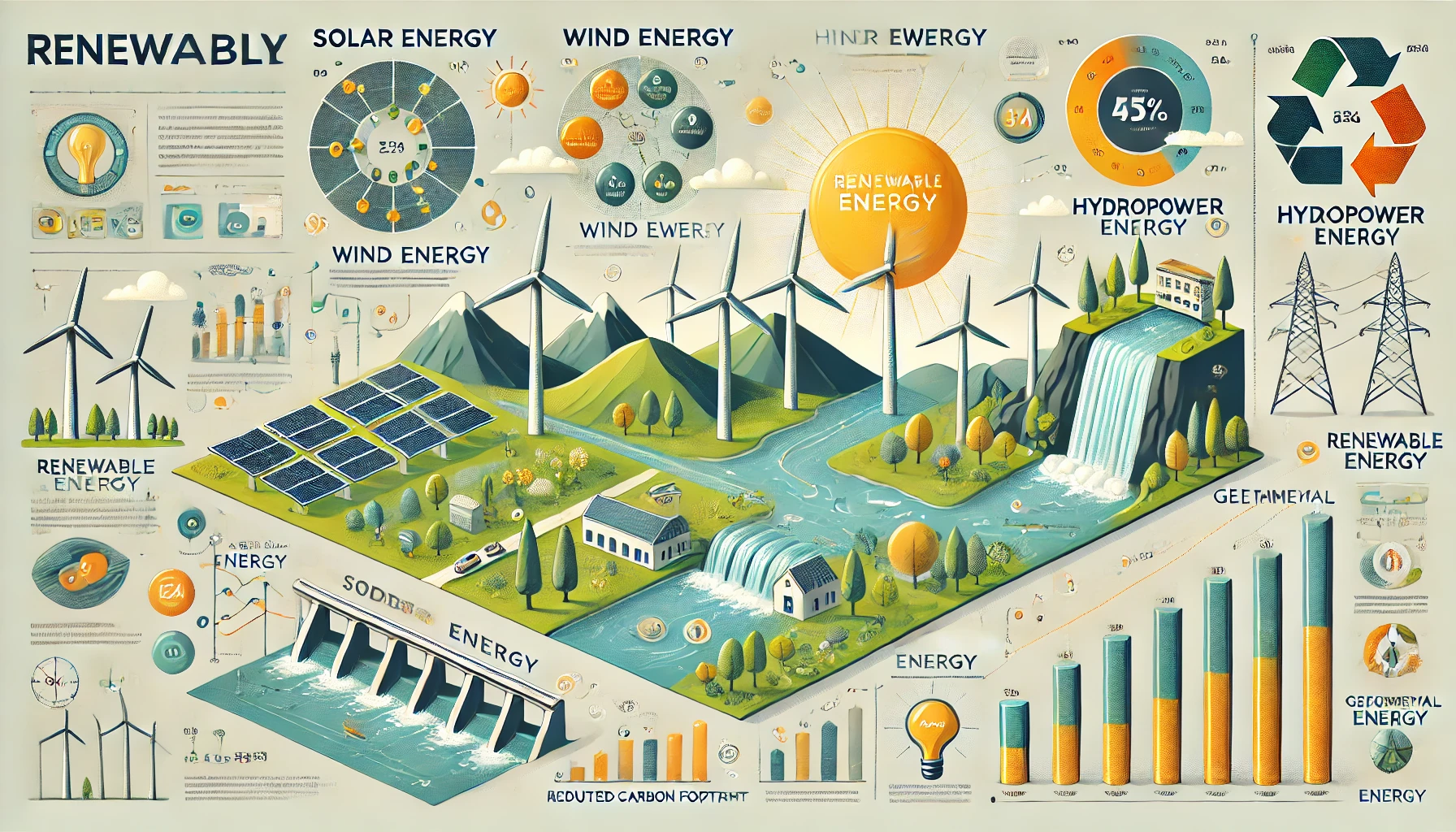
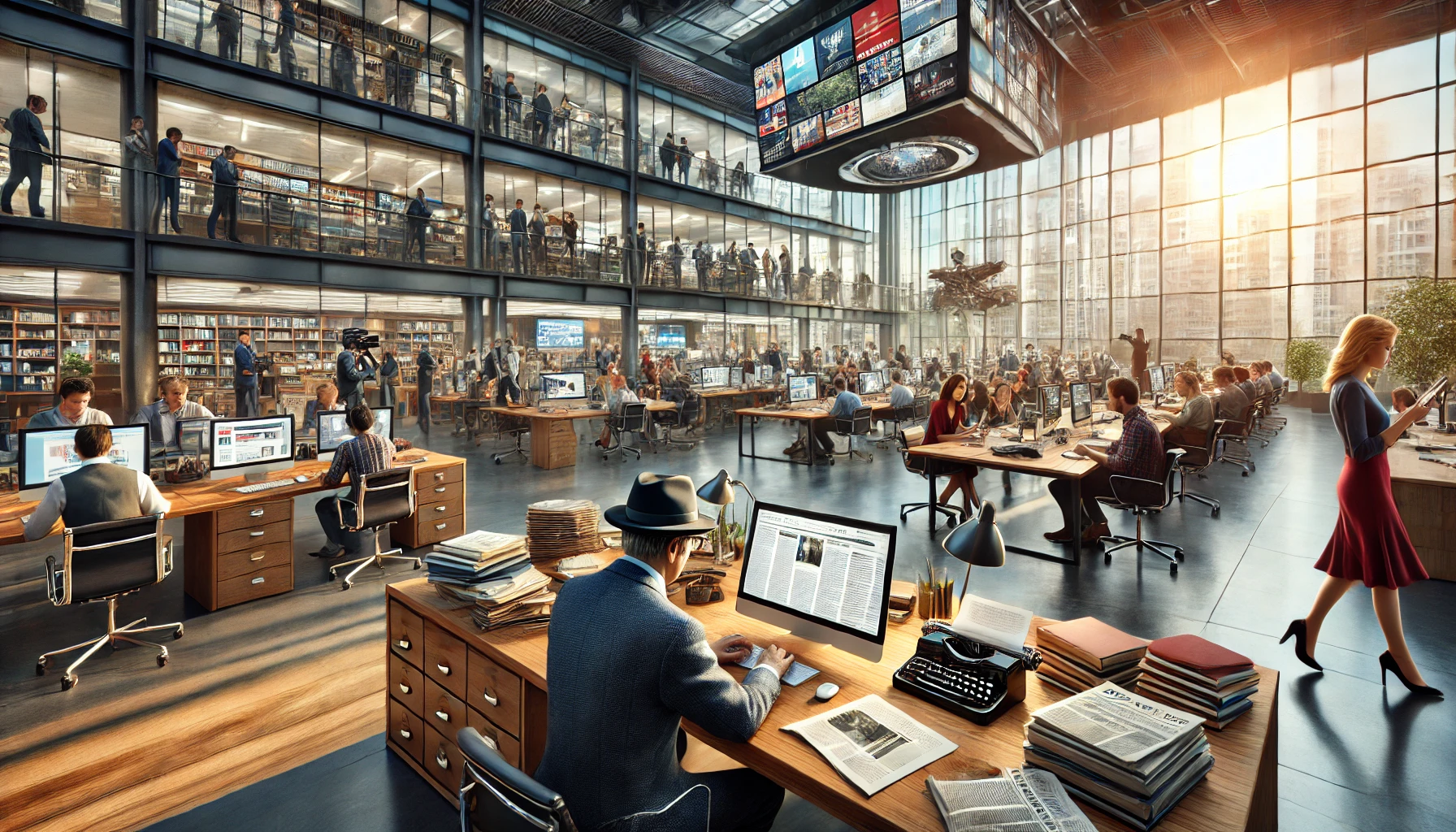
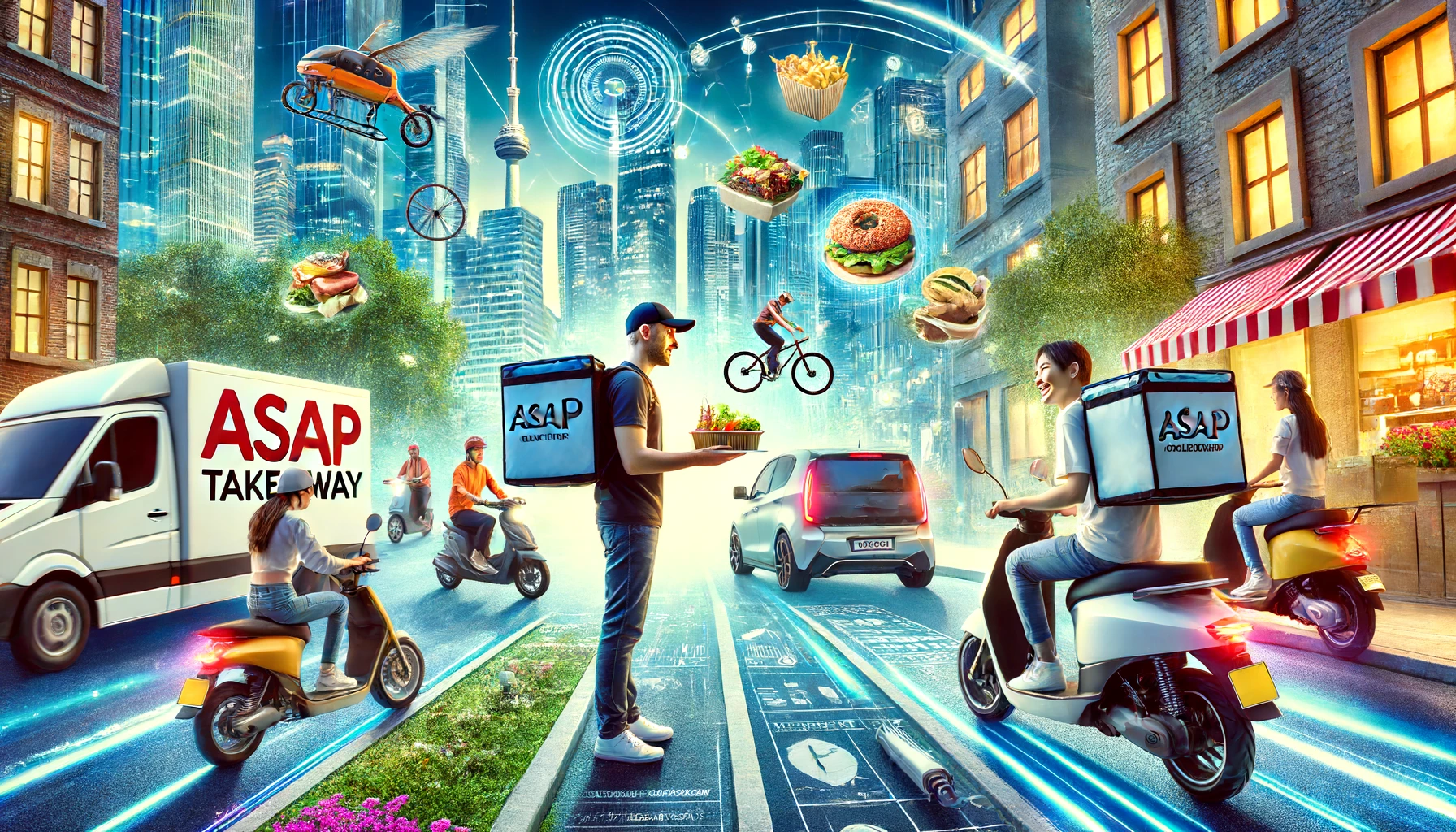
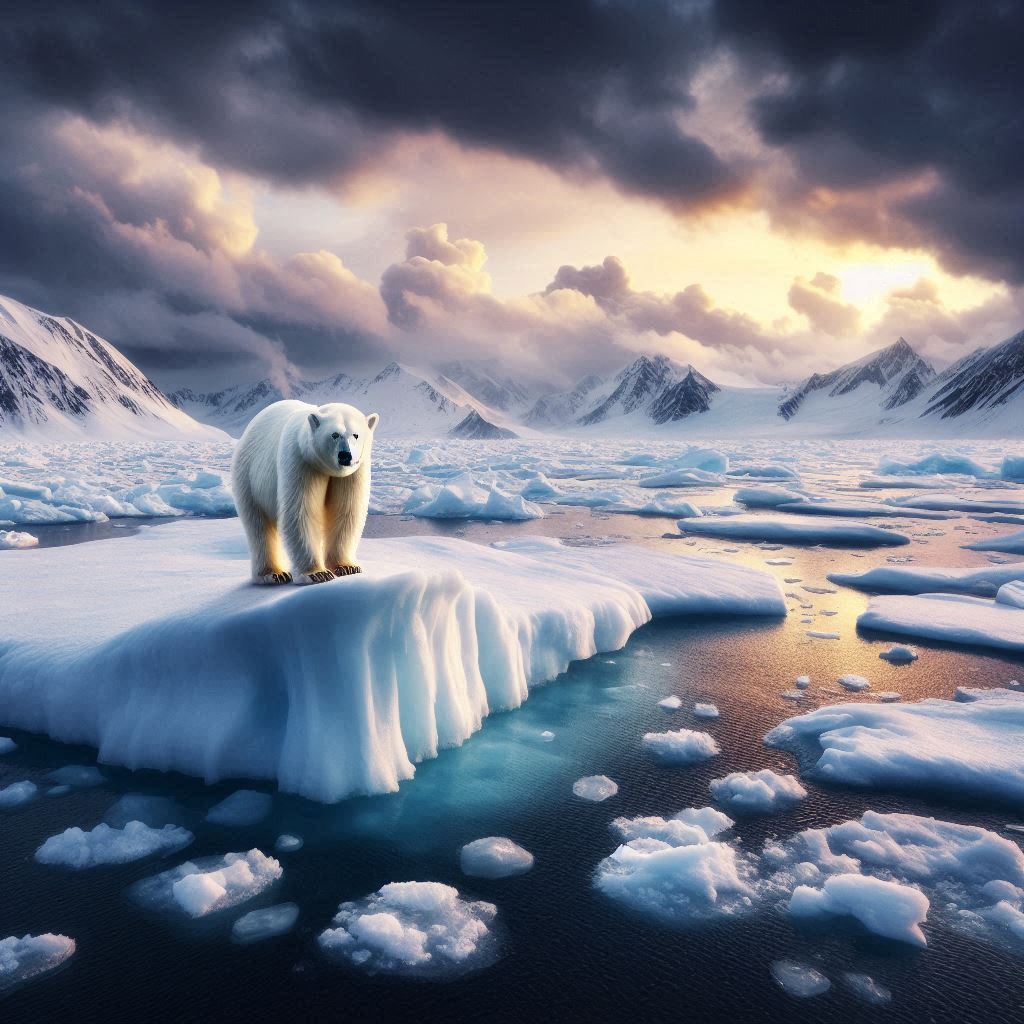
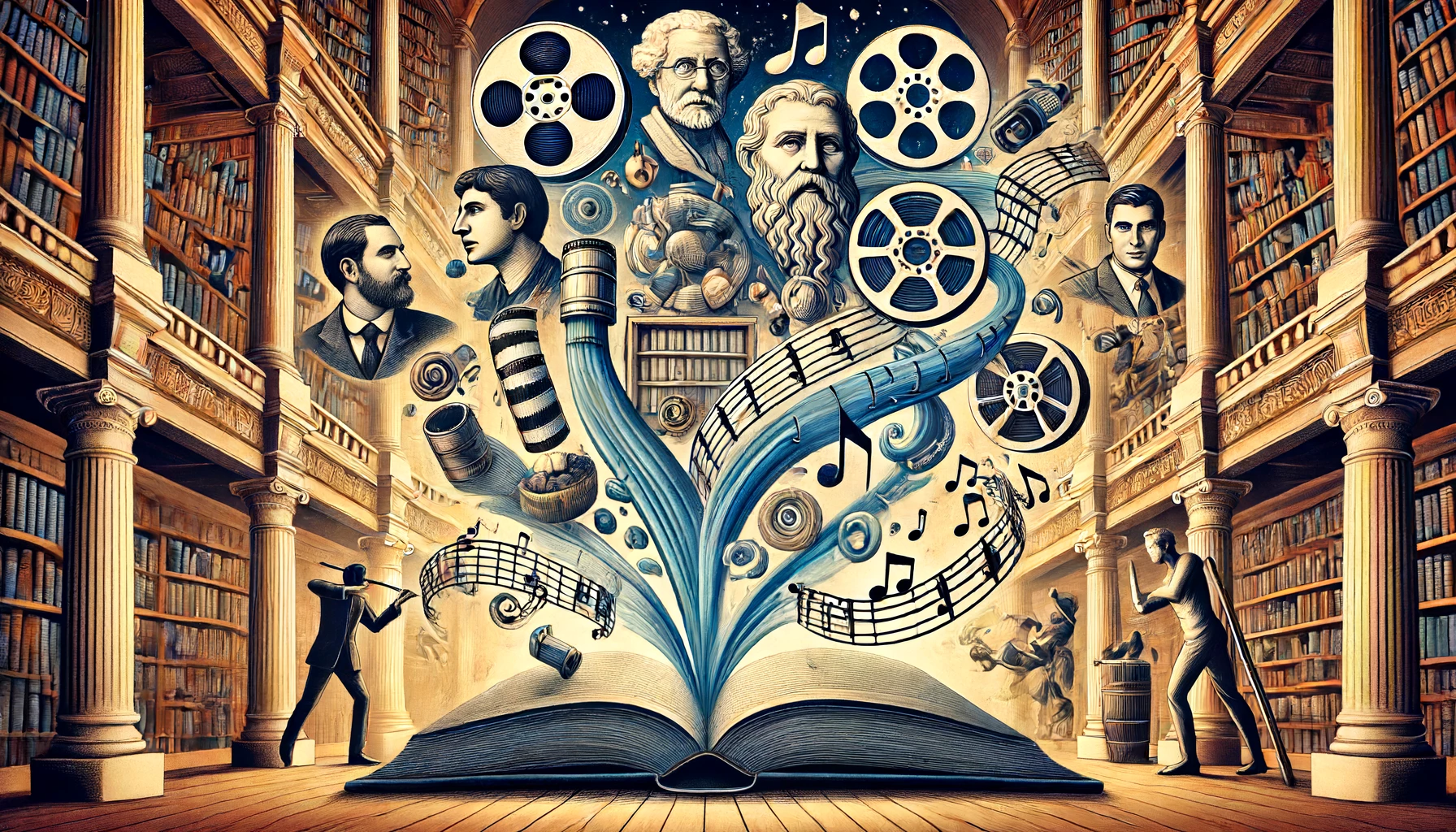
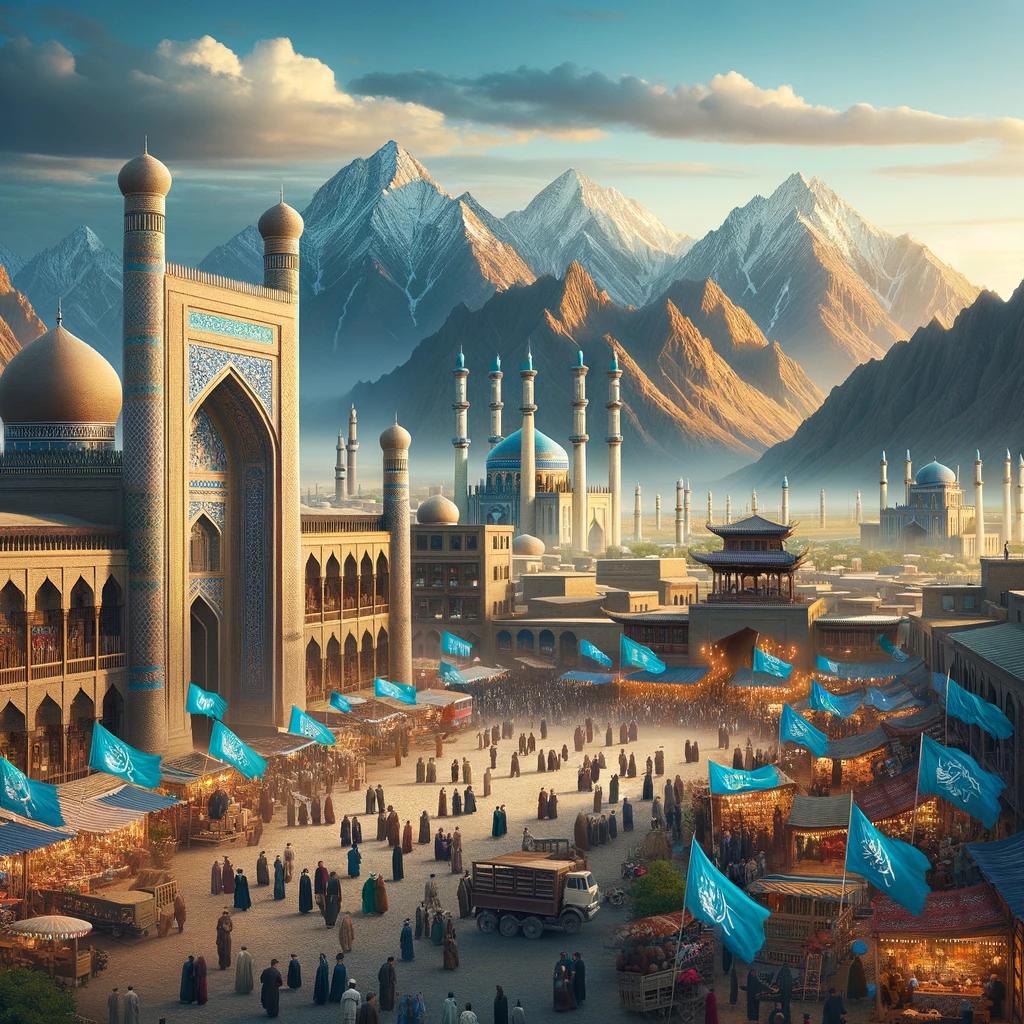
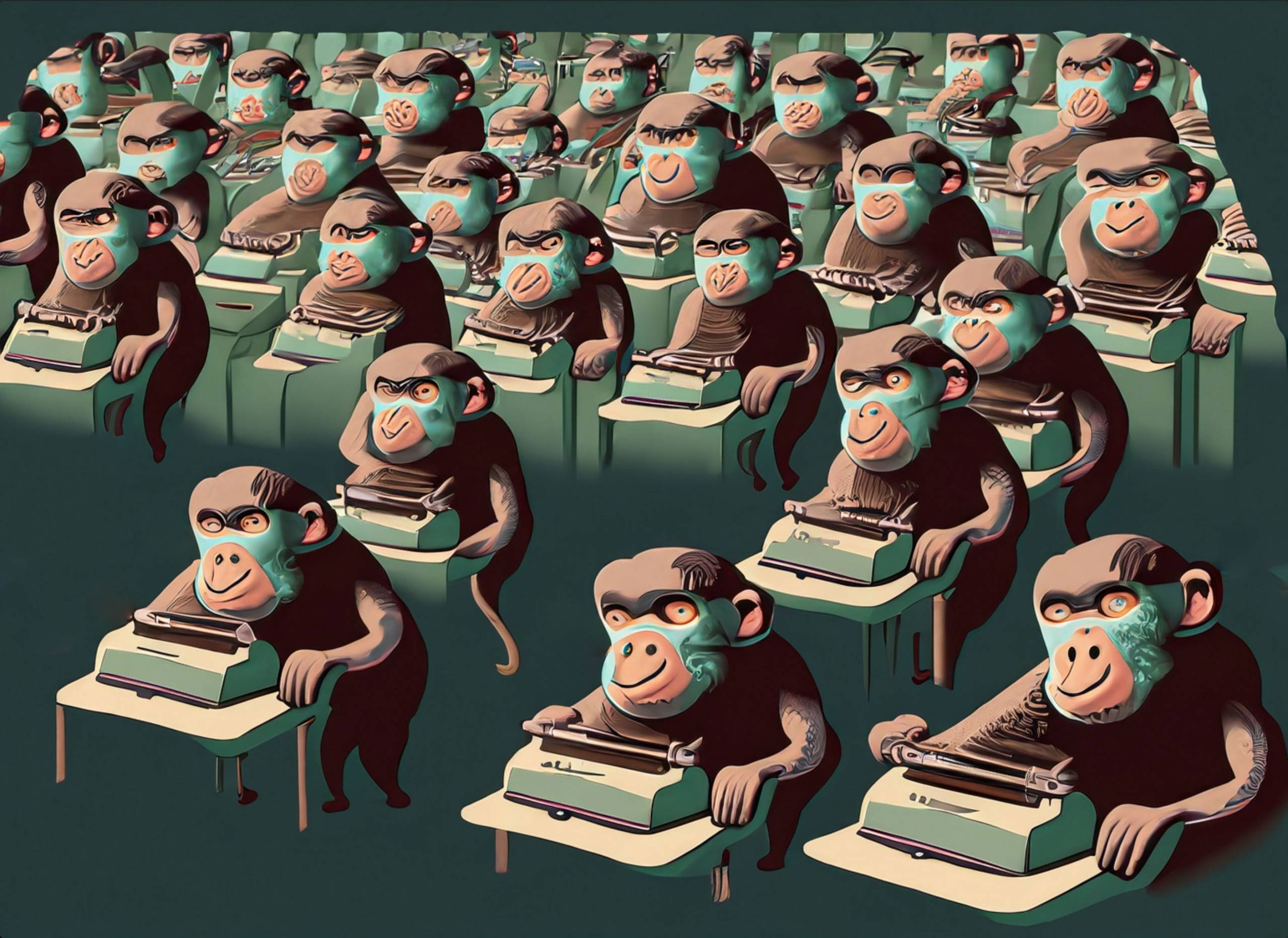
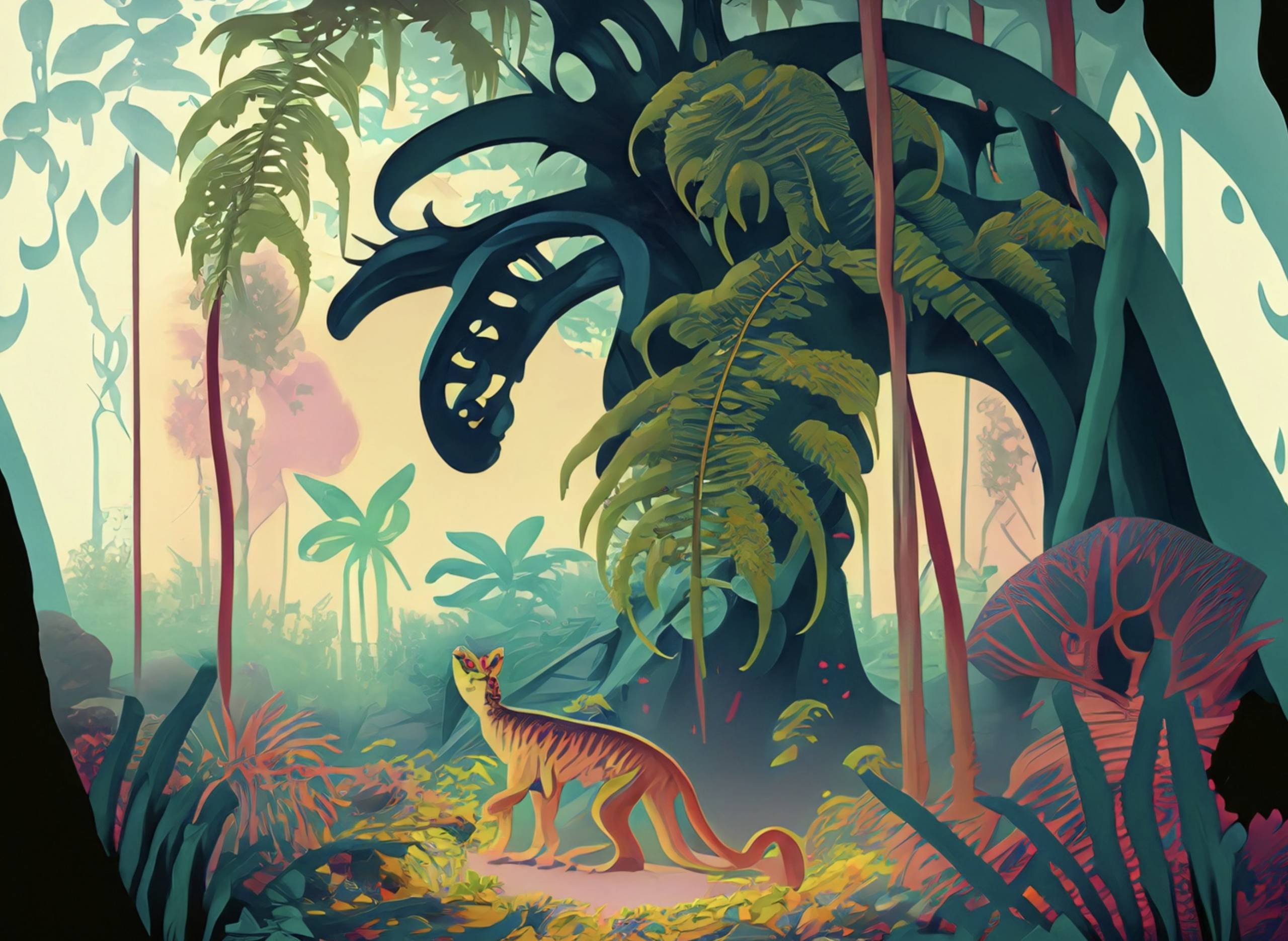
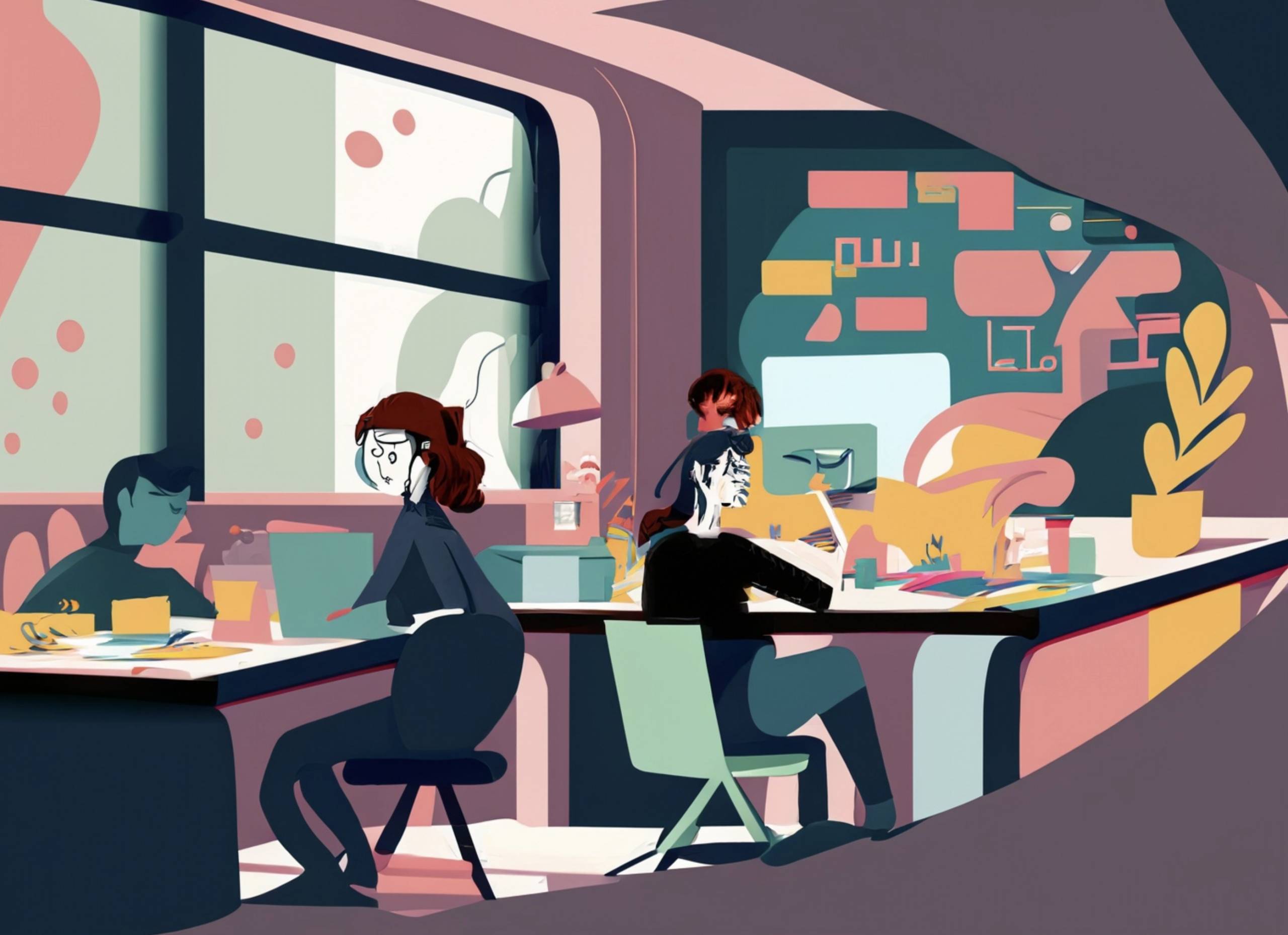
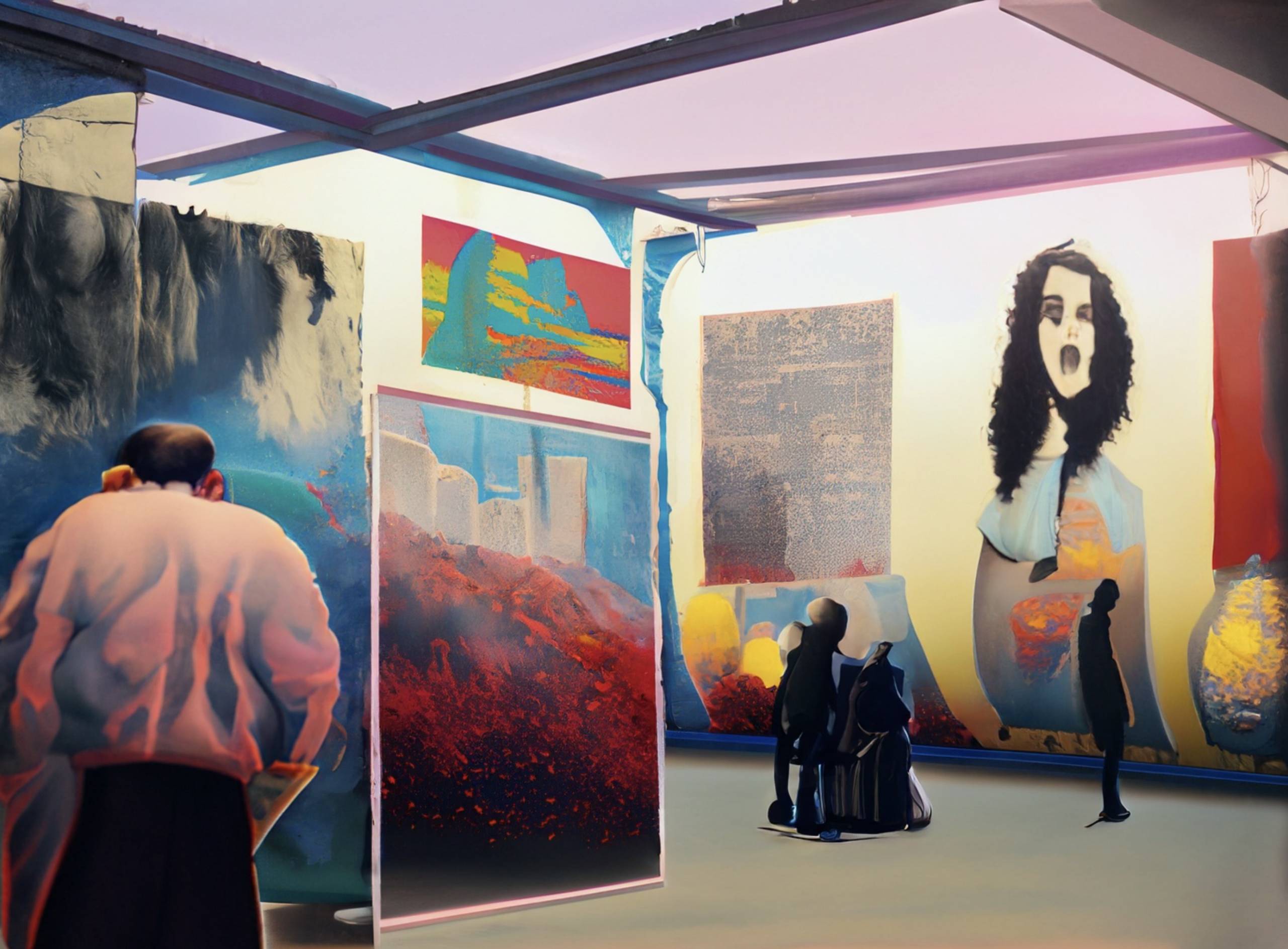
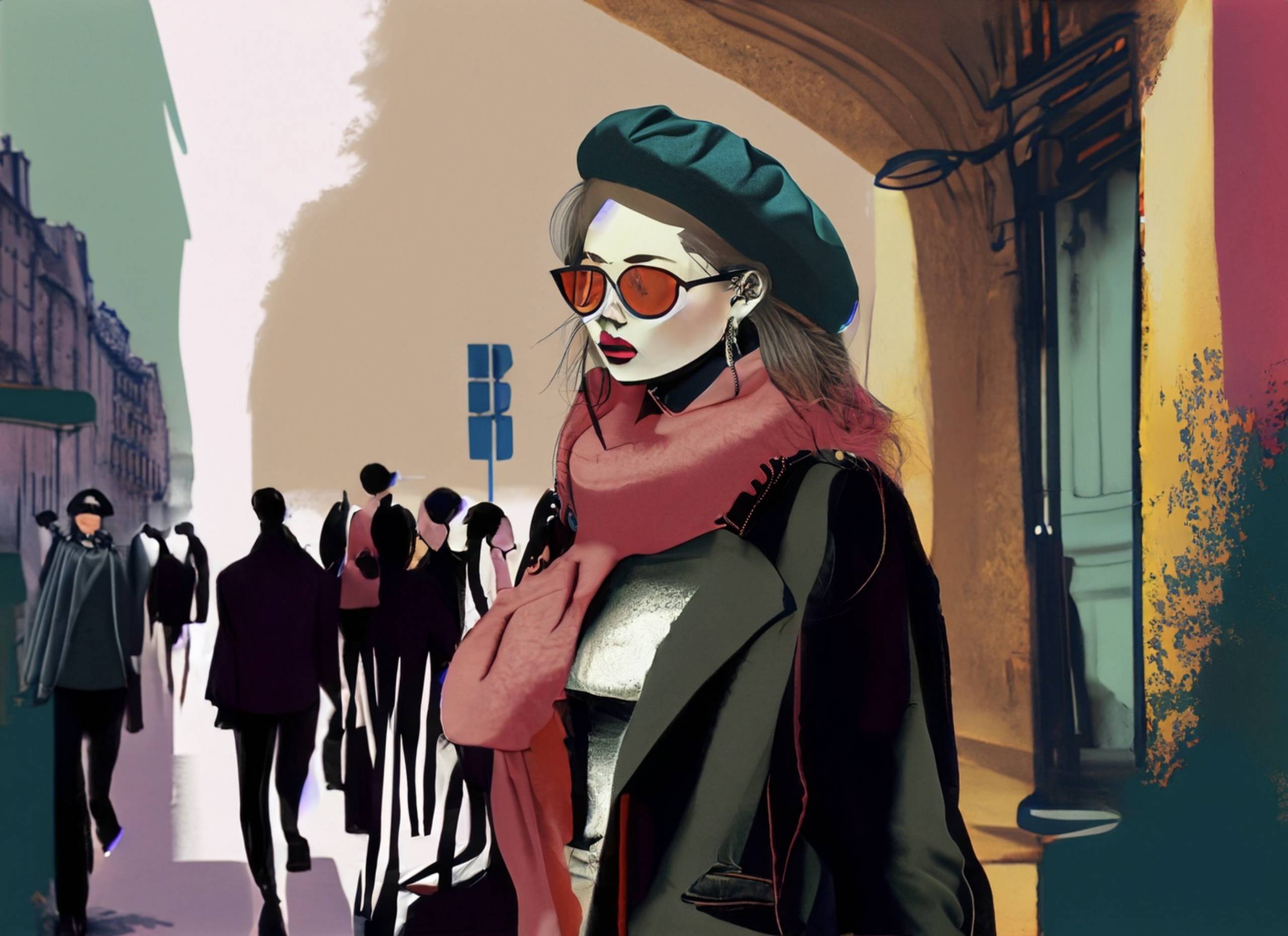
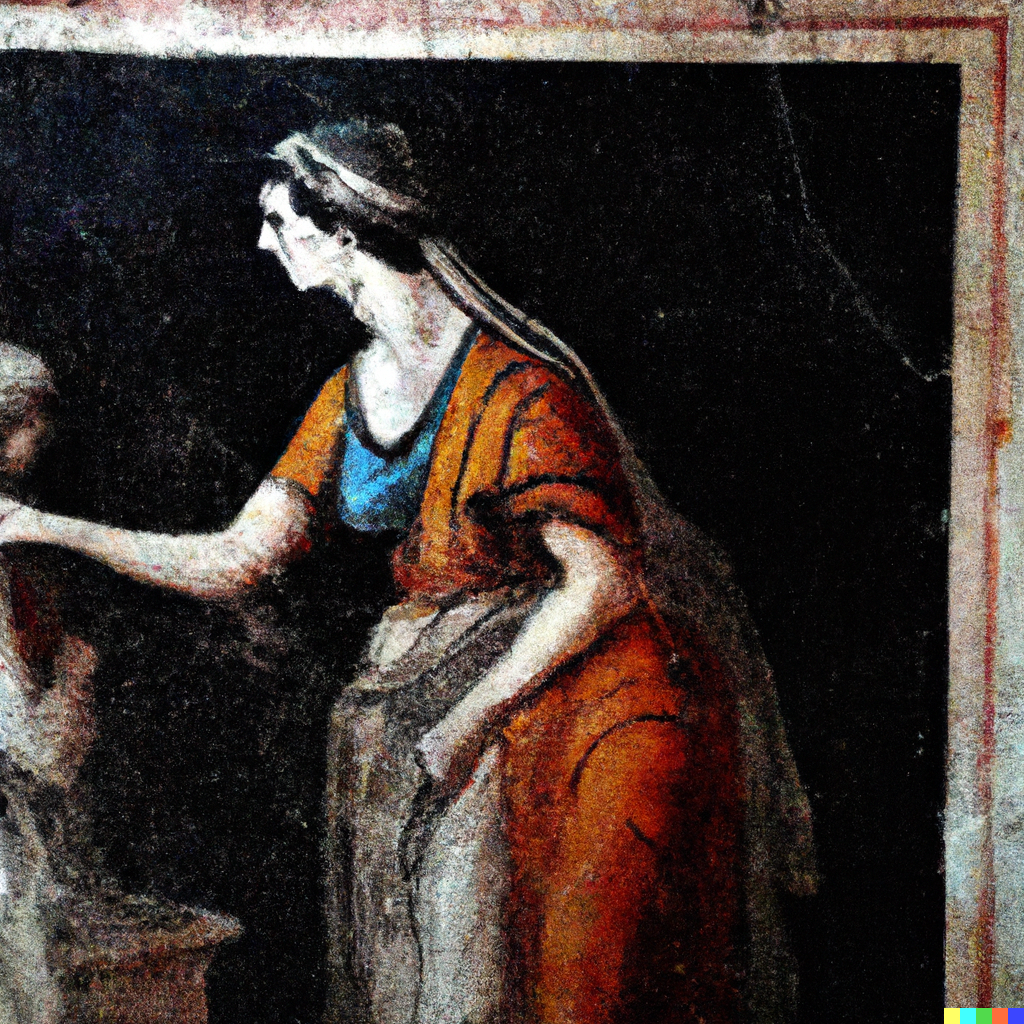
Some images here don’t document anything. A futuristic city with green rooftops. A room full of monkeys at typewriters. A jungle piled with consumer waste, dinosaurs wandering through it. They tell a story the way a poster or a magazine cover does, by squeezing an idea into something you can read in a second. That’s a real skill and it’s older than any camera.
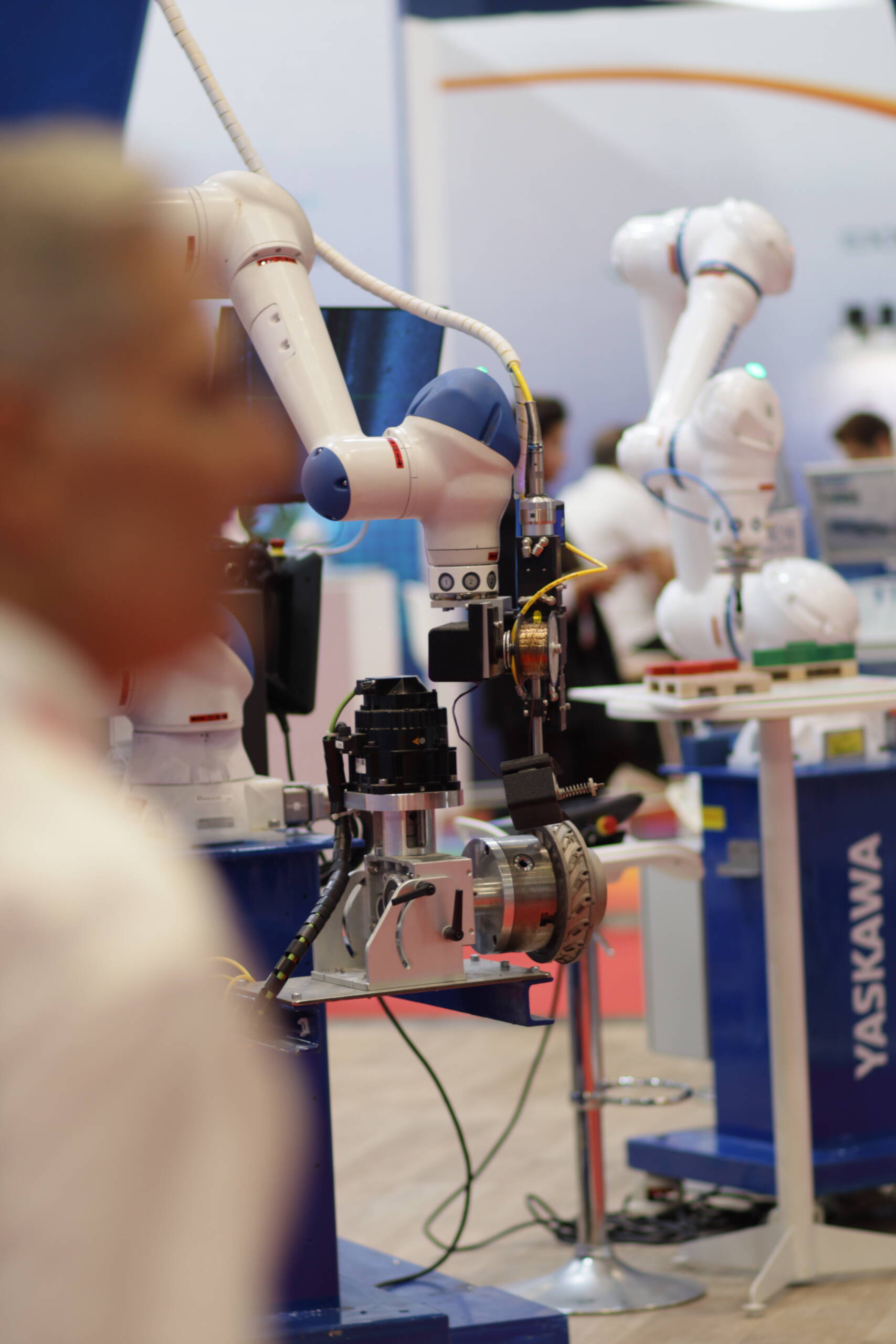
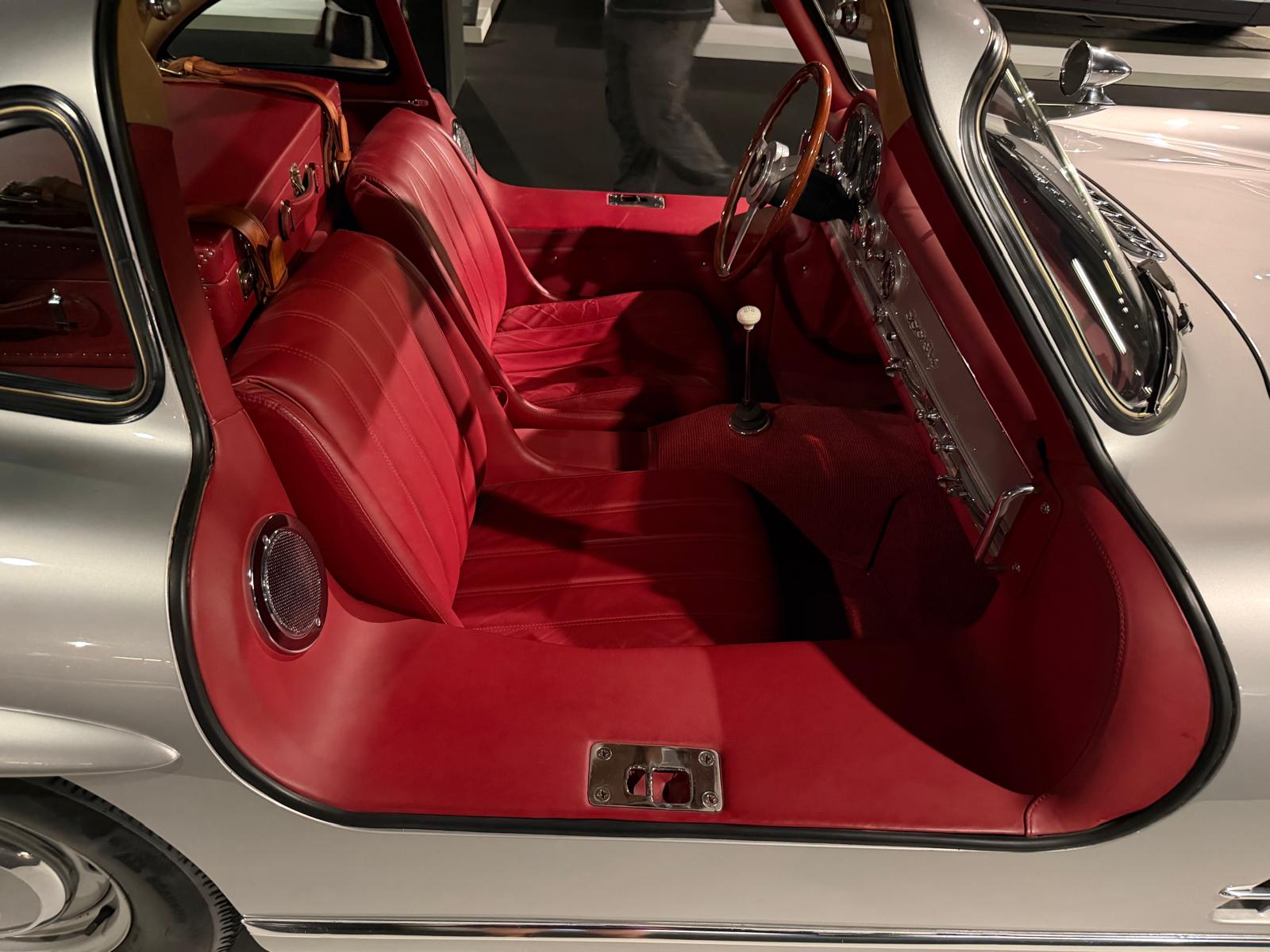
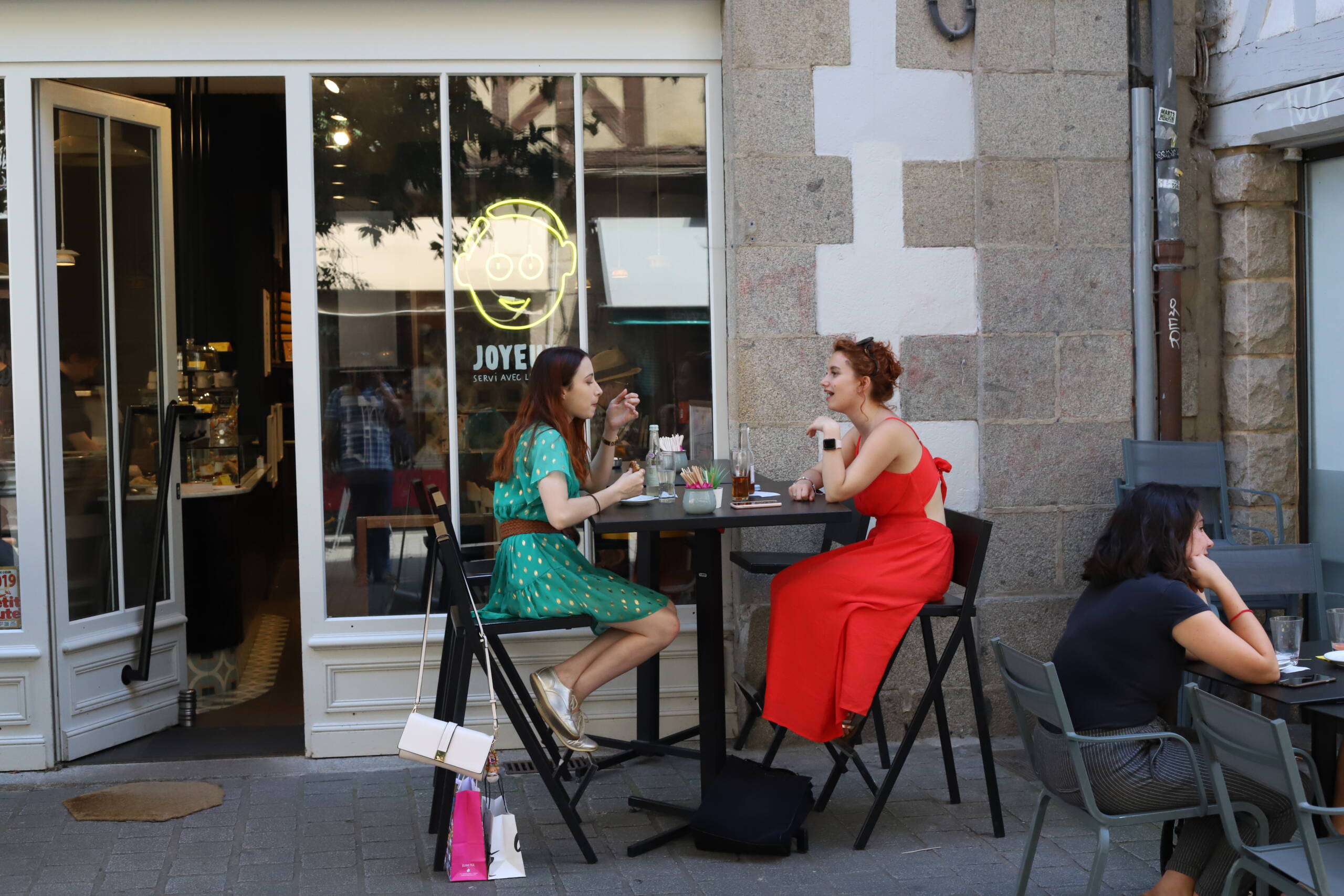
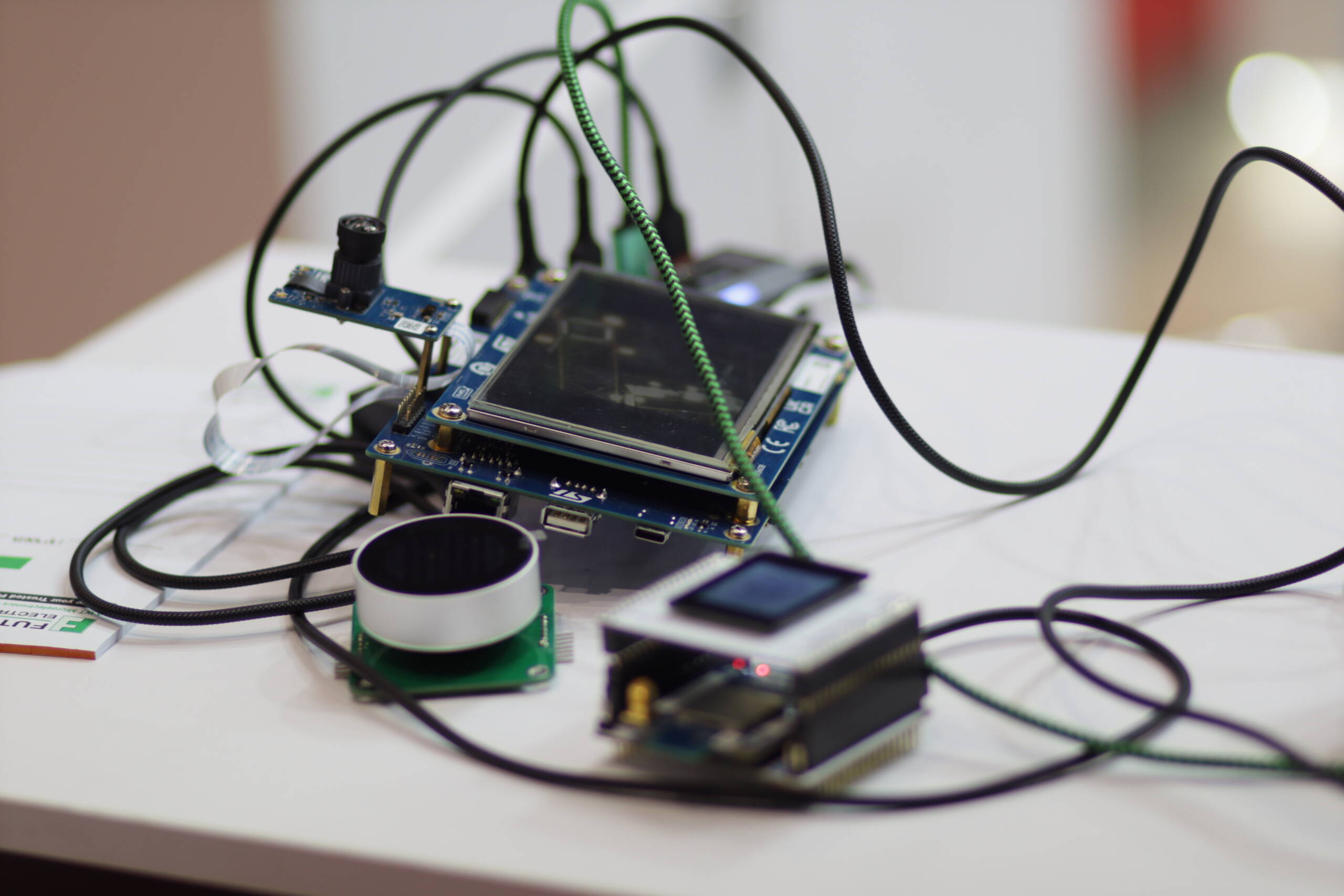
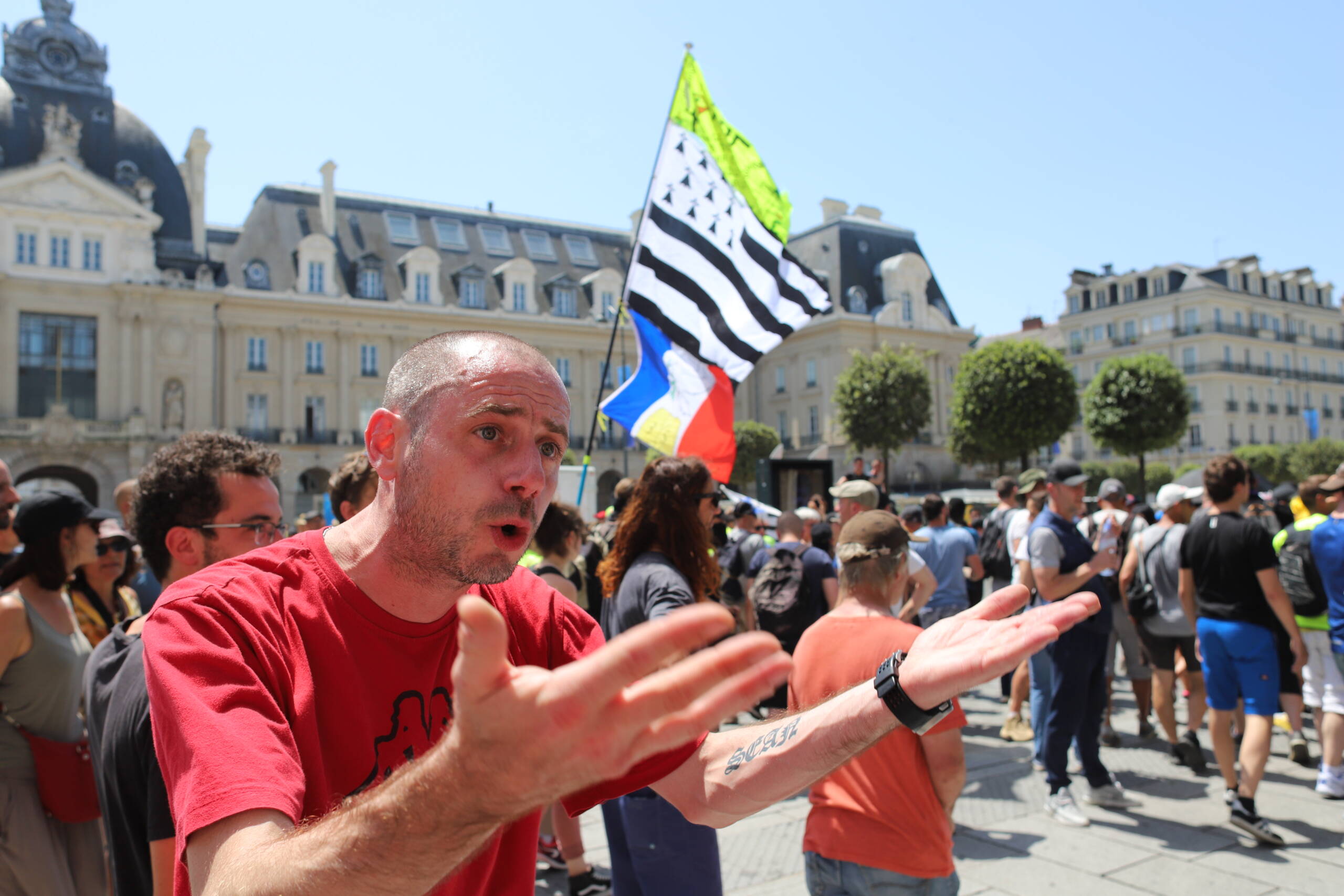
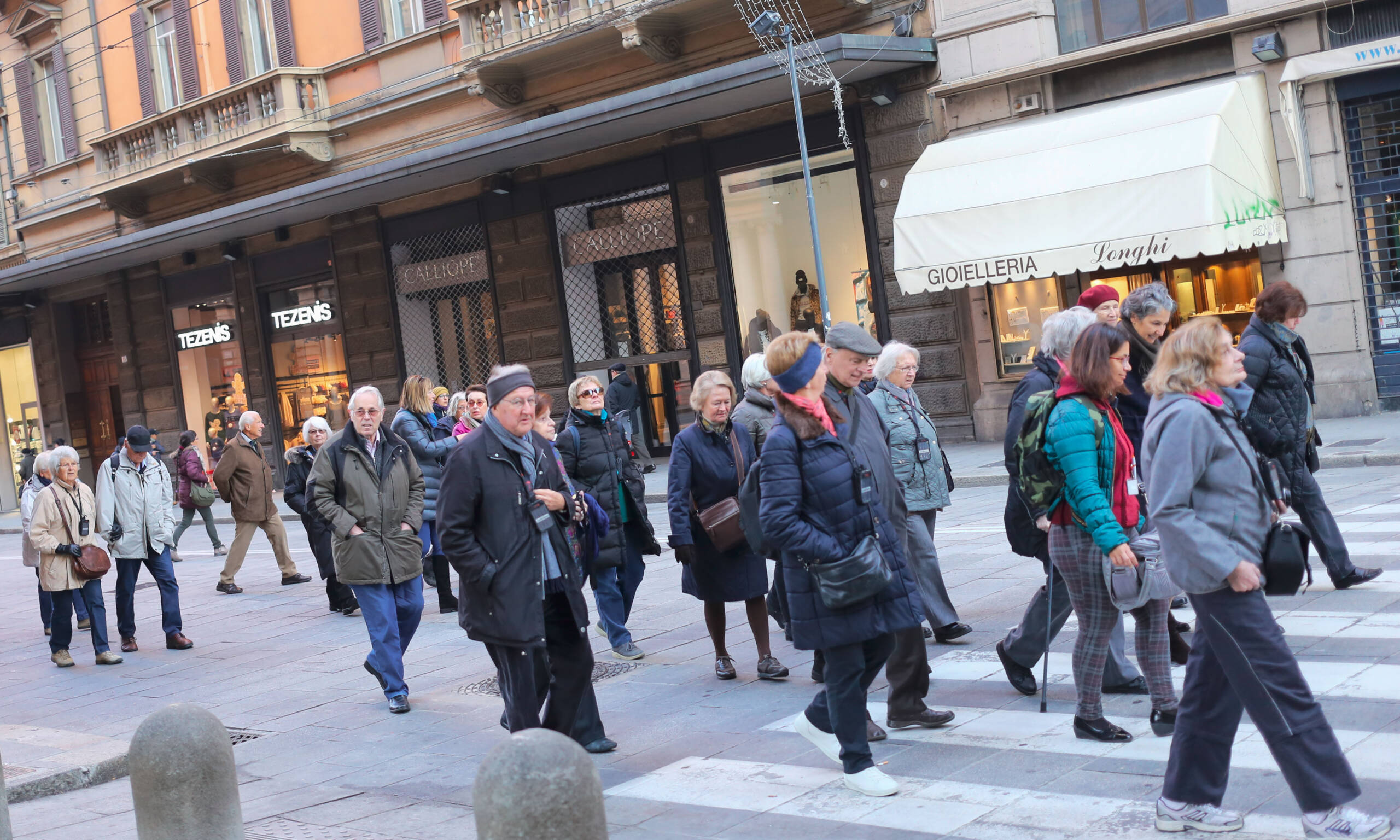
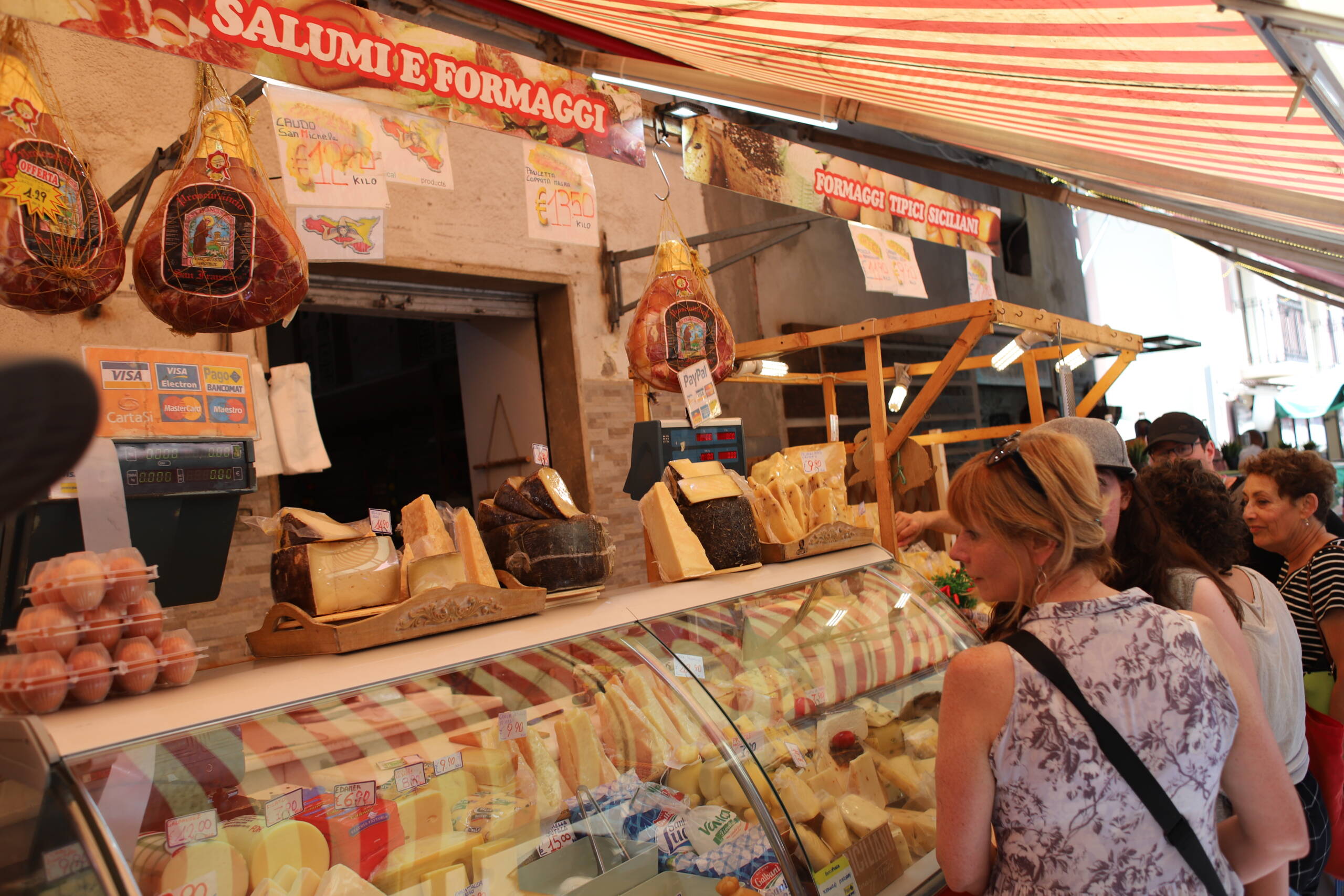
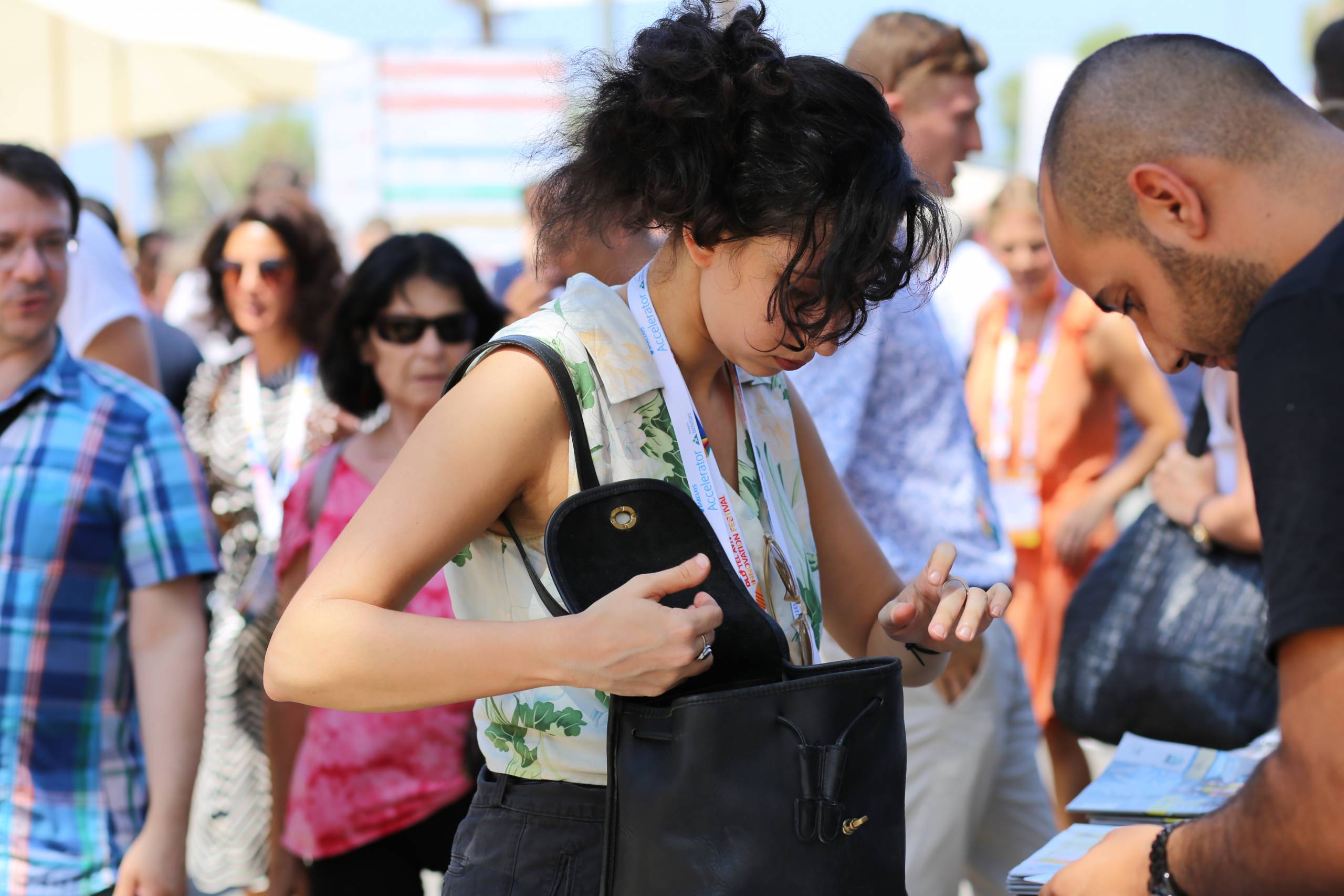
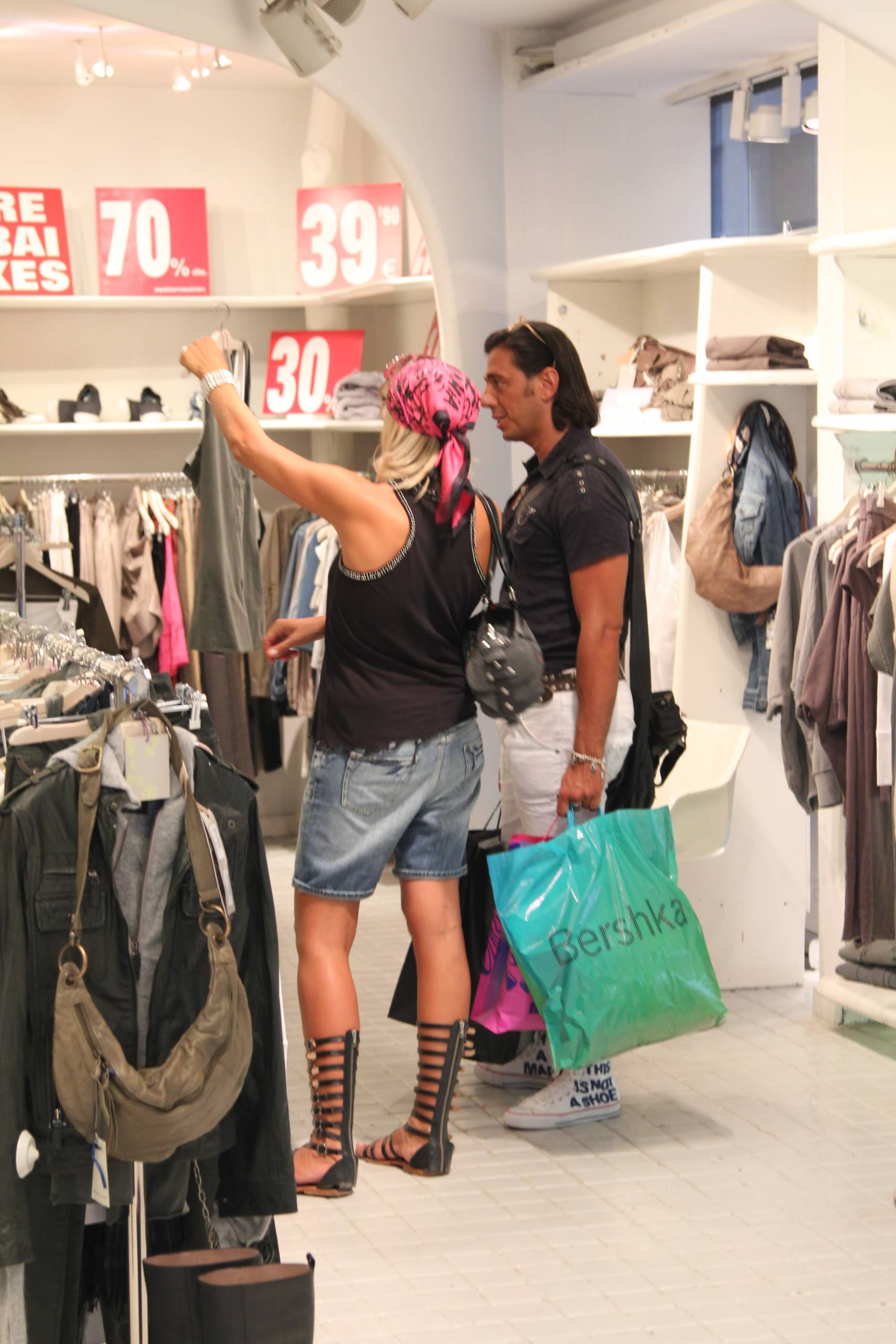
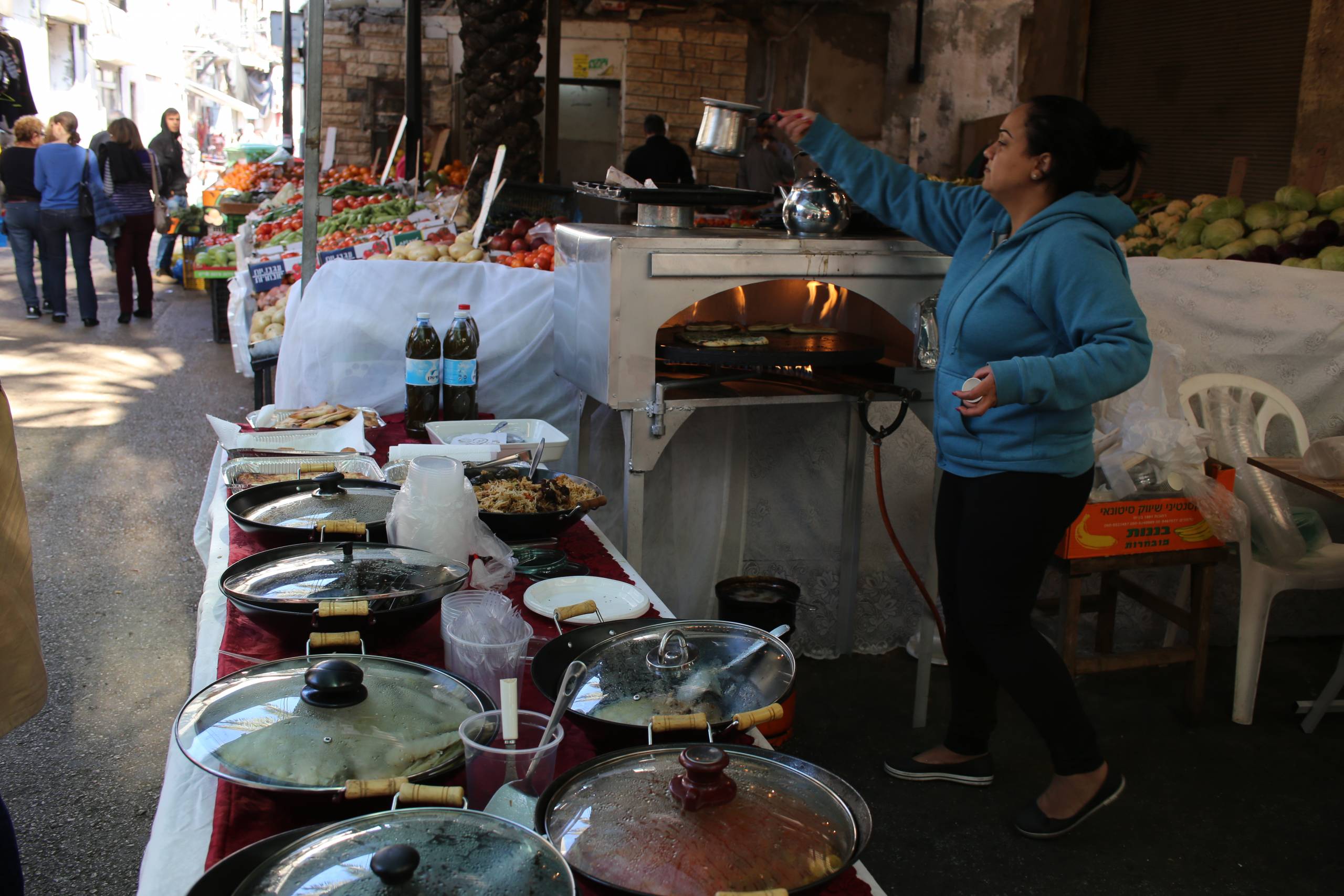
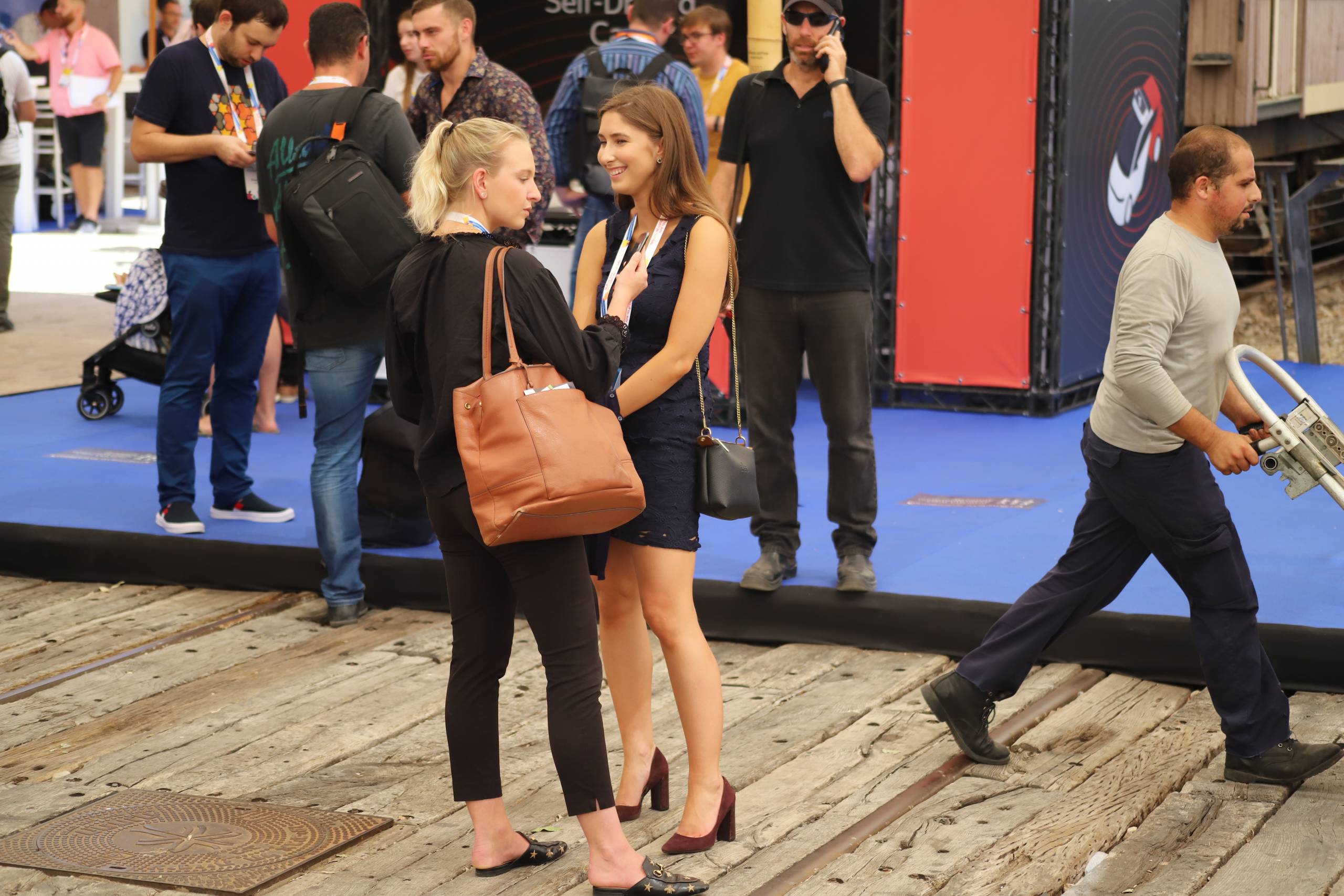
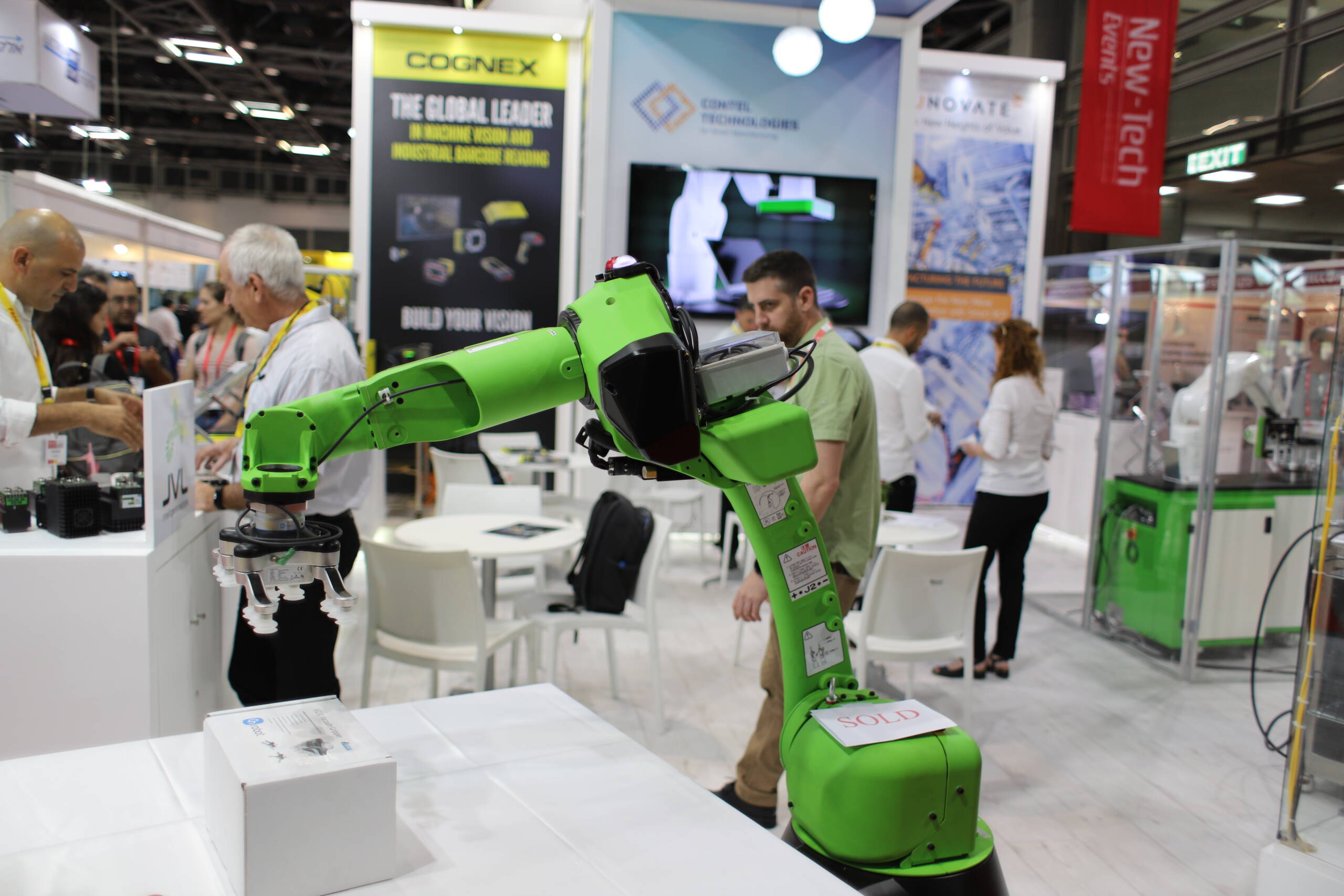
The documentary shots work differently. They earn trust through small messy details nobody would bother to invent: yellow plates on a grey Mercedes convertible, a blurred person in the foreground at a robotics stand, a woman digging through her bag at an outdoor event. Mess is what makes a photo believable. Polished stock photography tends to sand it off, which is exactly why it’s so easy to scroll past.
Putting both kinds on one page is a choice. Some pictures show what a place looks like. Others show what an idea feels like. They’re rarely the same picture, and a good visual story usually needs a bit of each.
How to look at this page
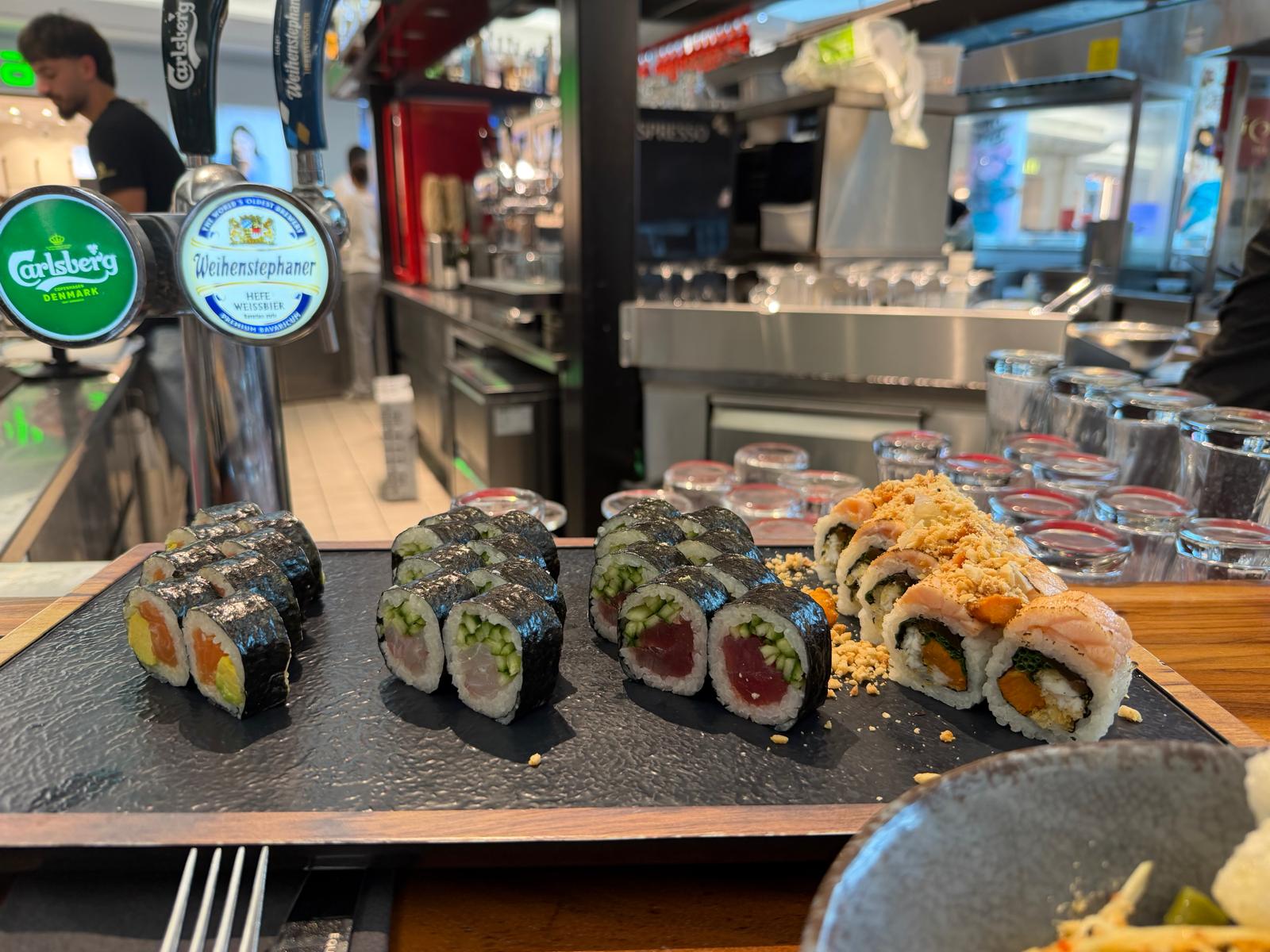
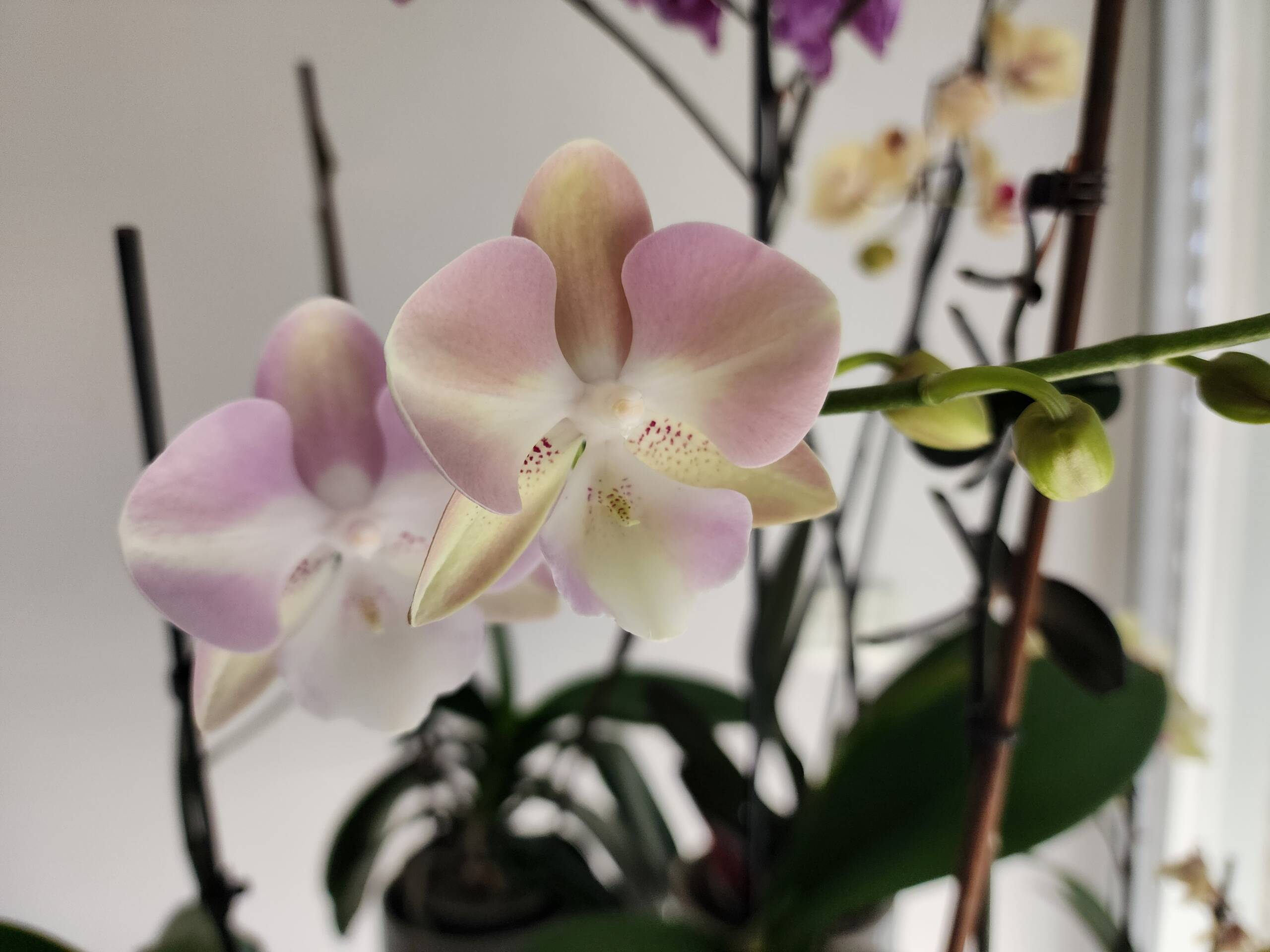
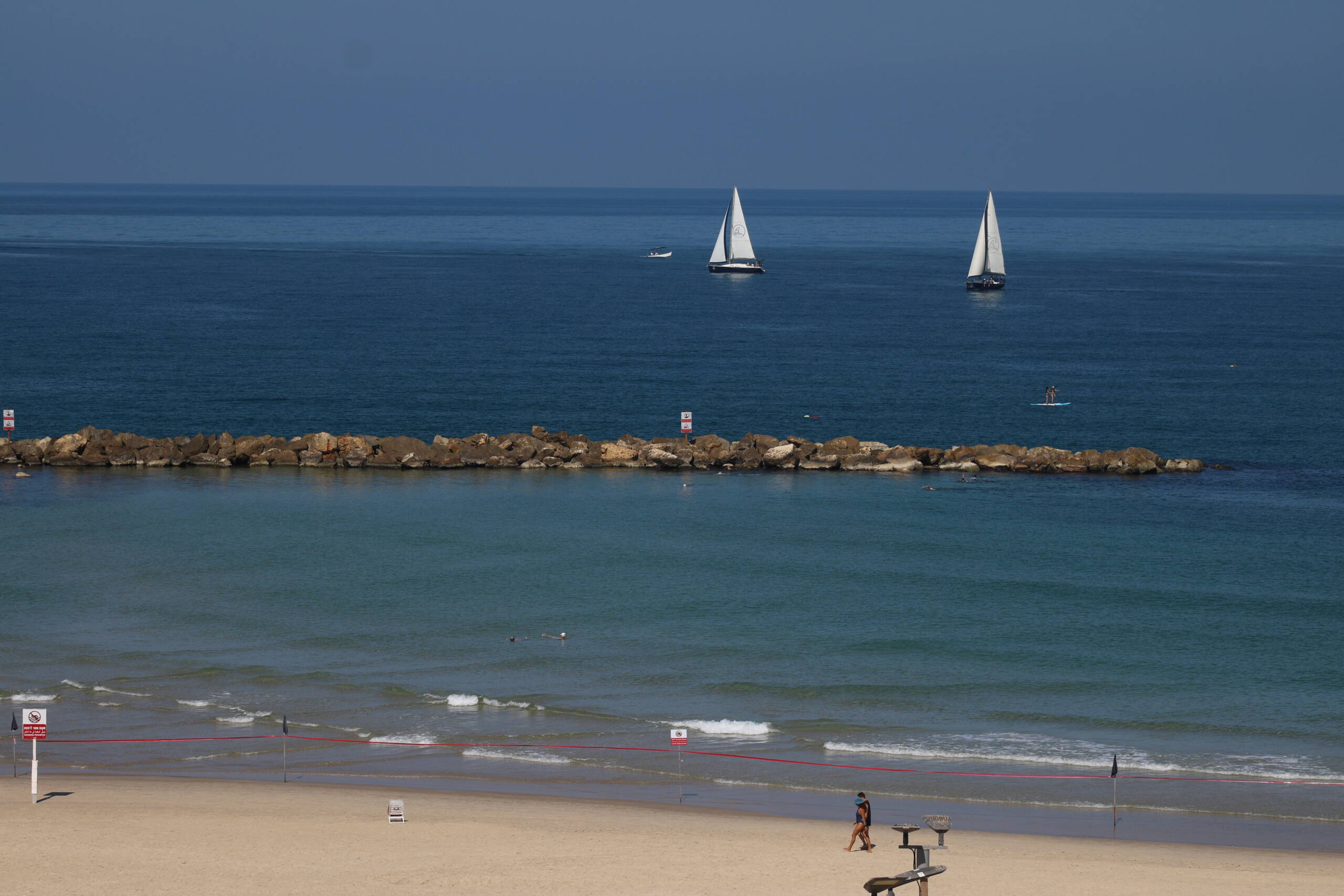
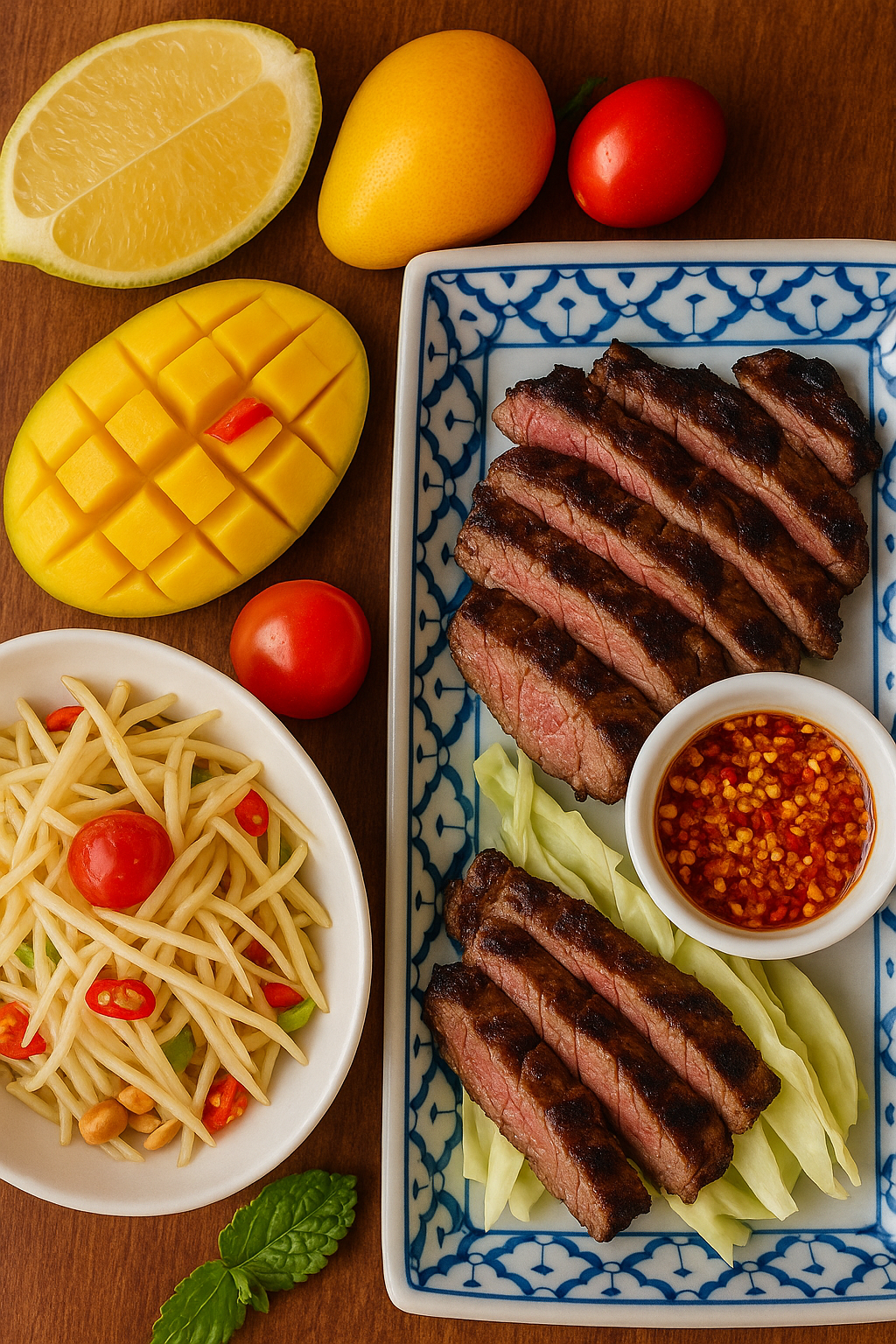
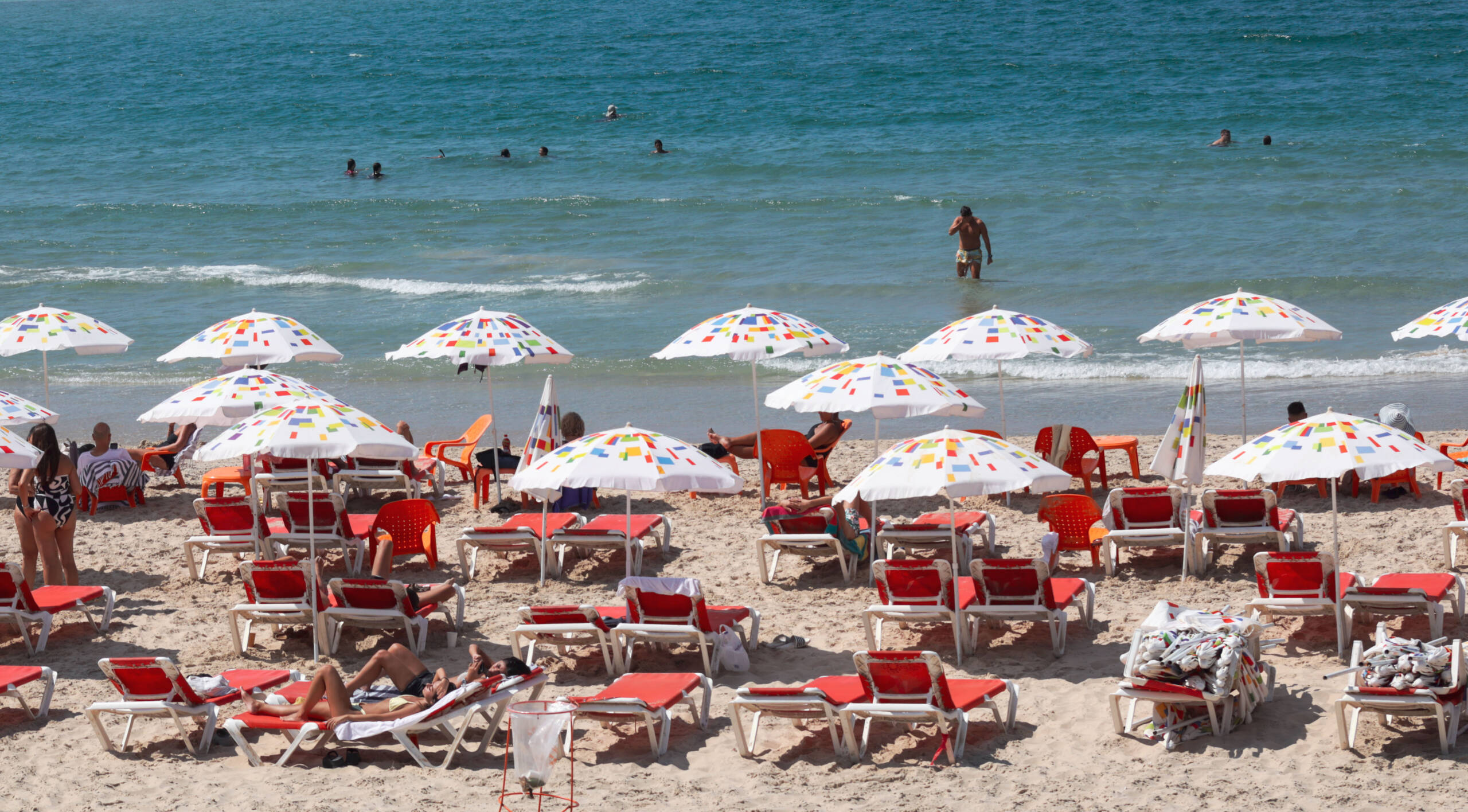
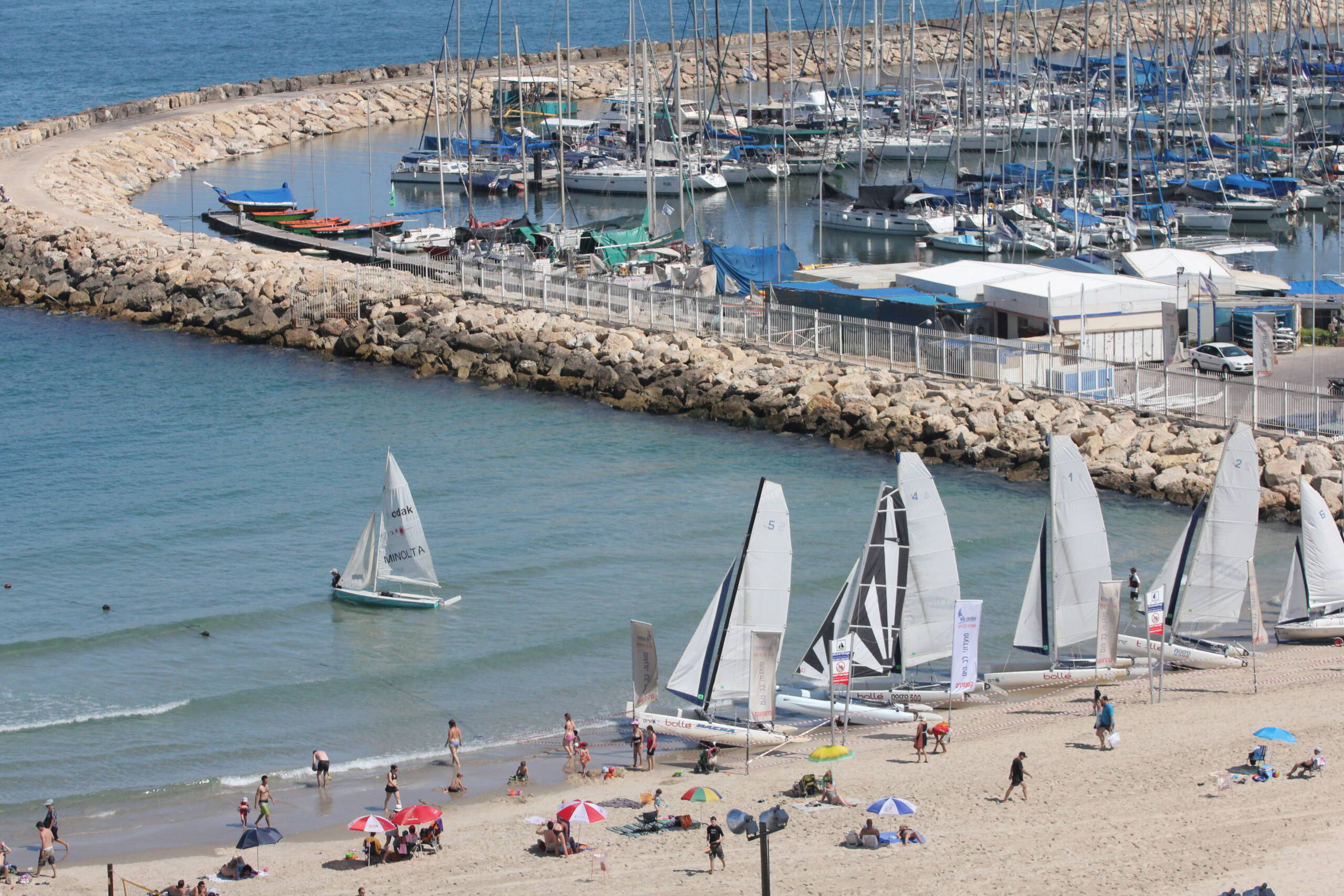
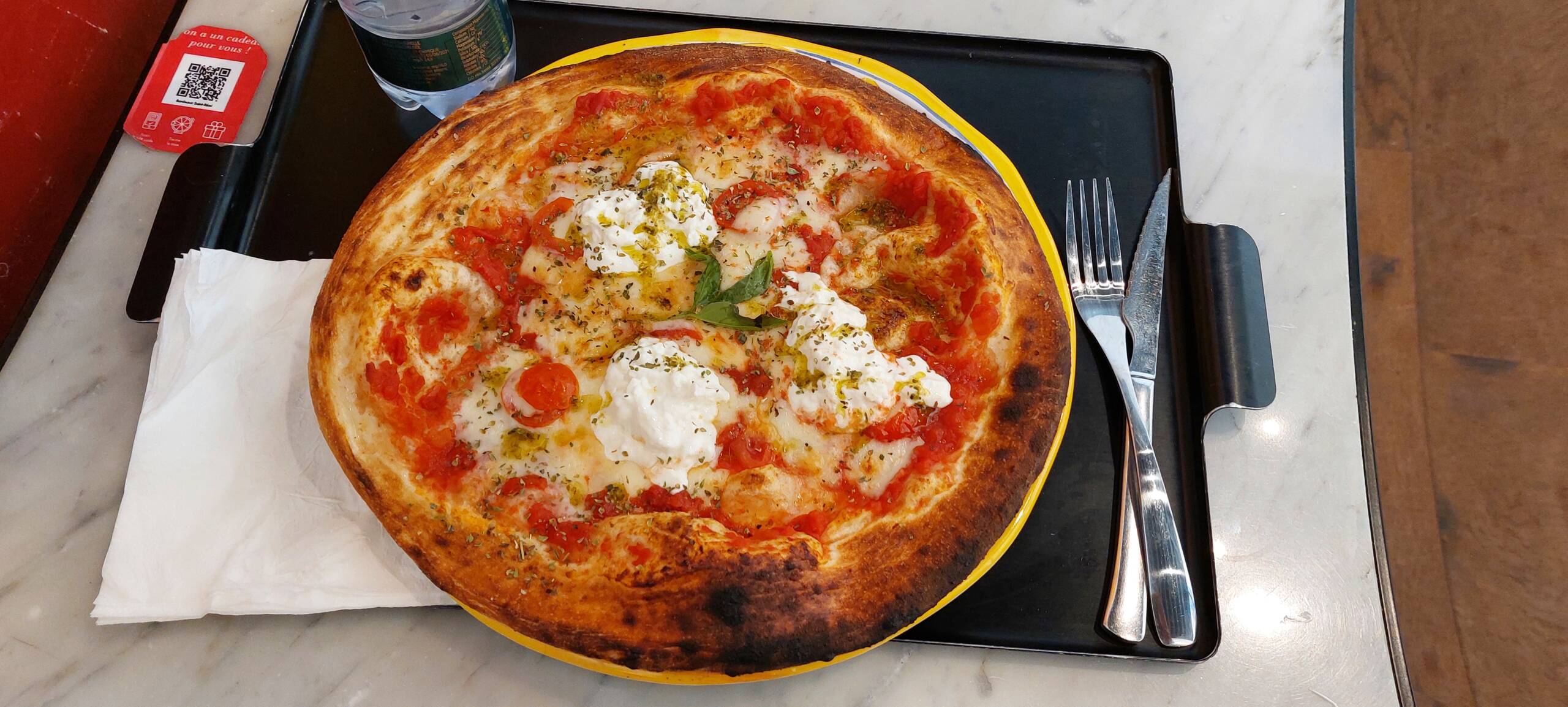
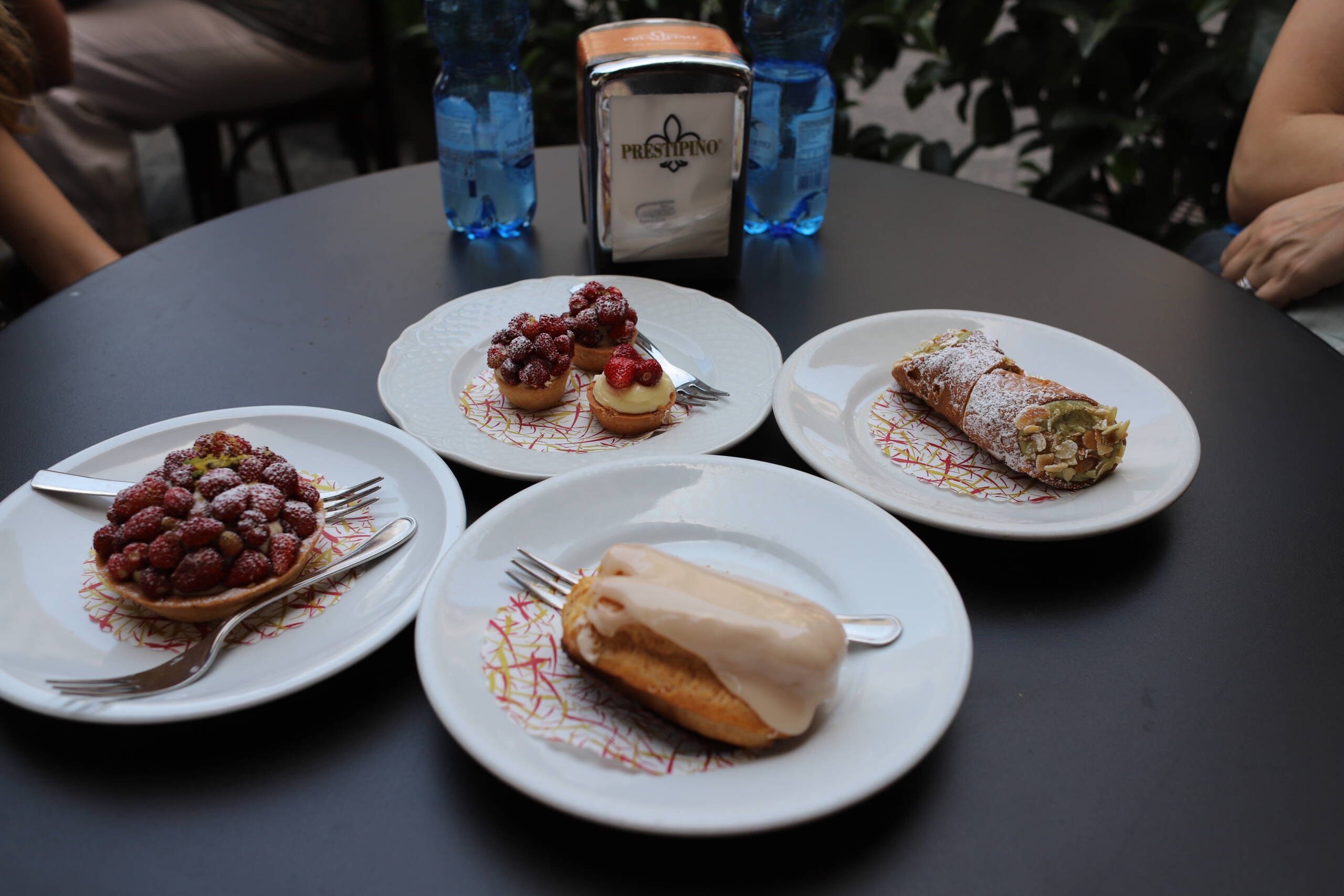
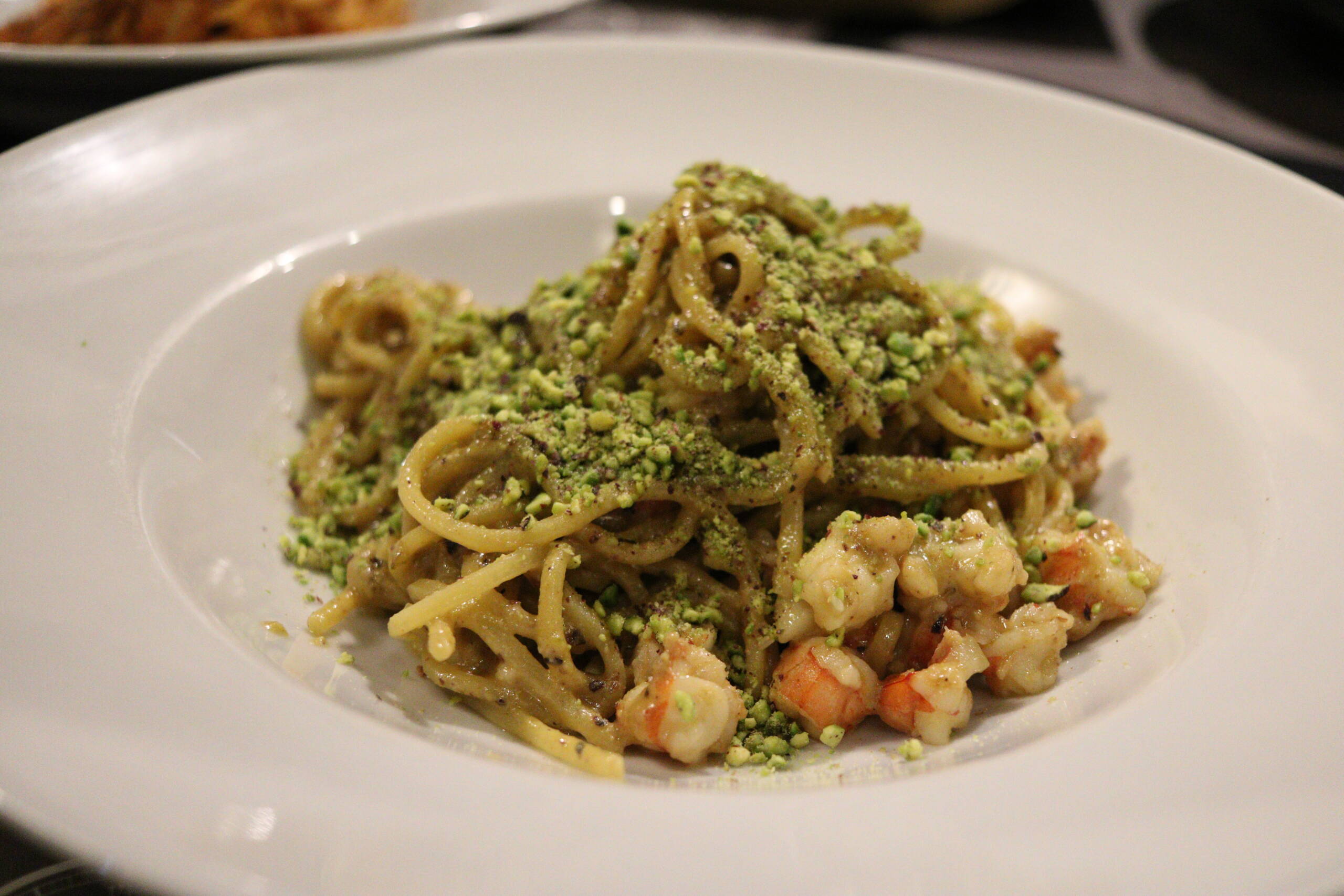
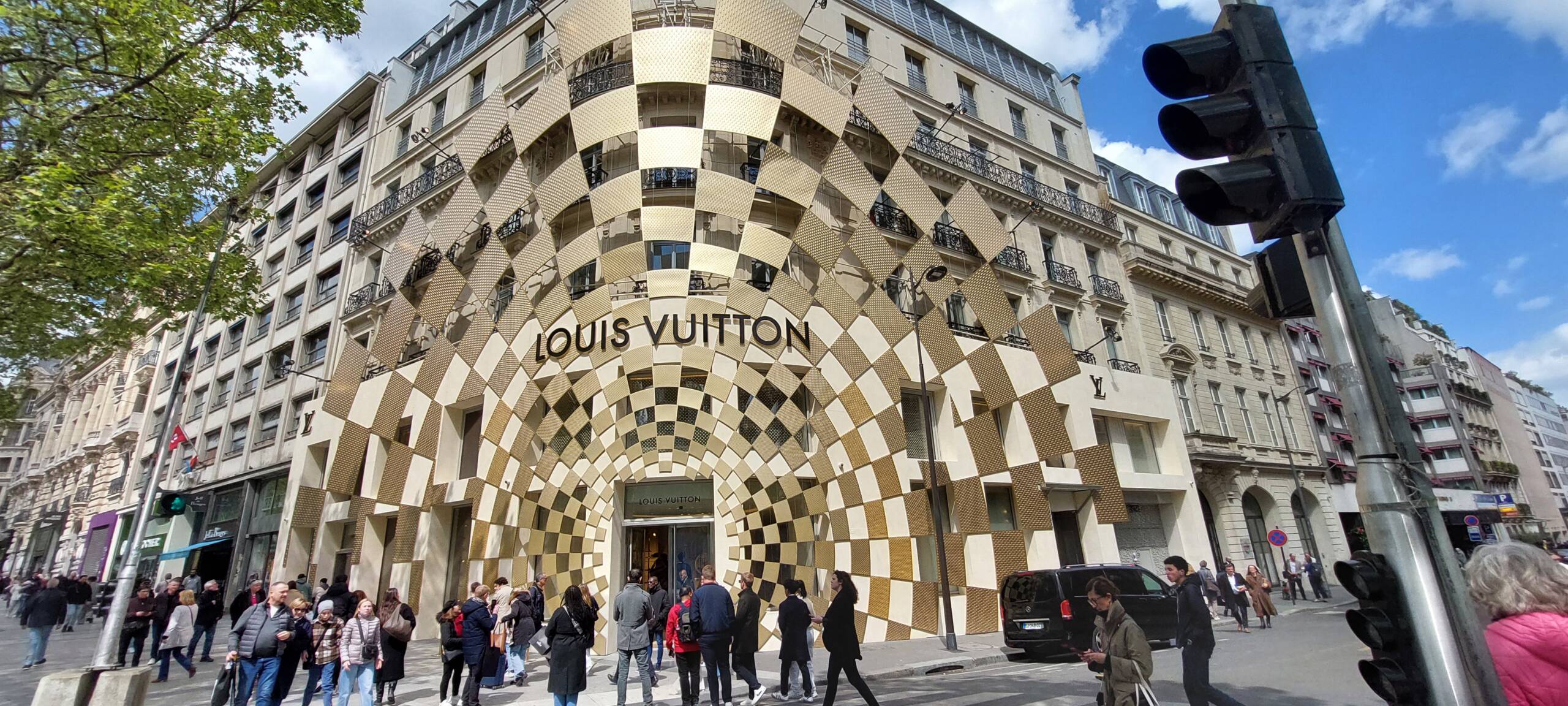
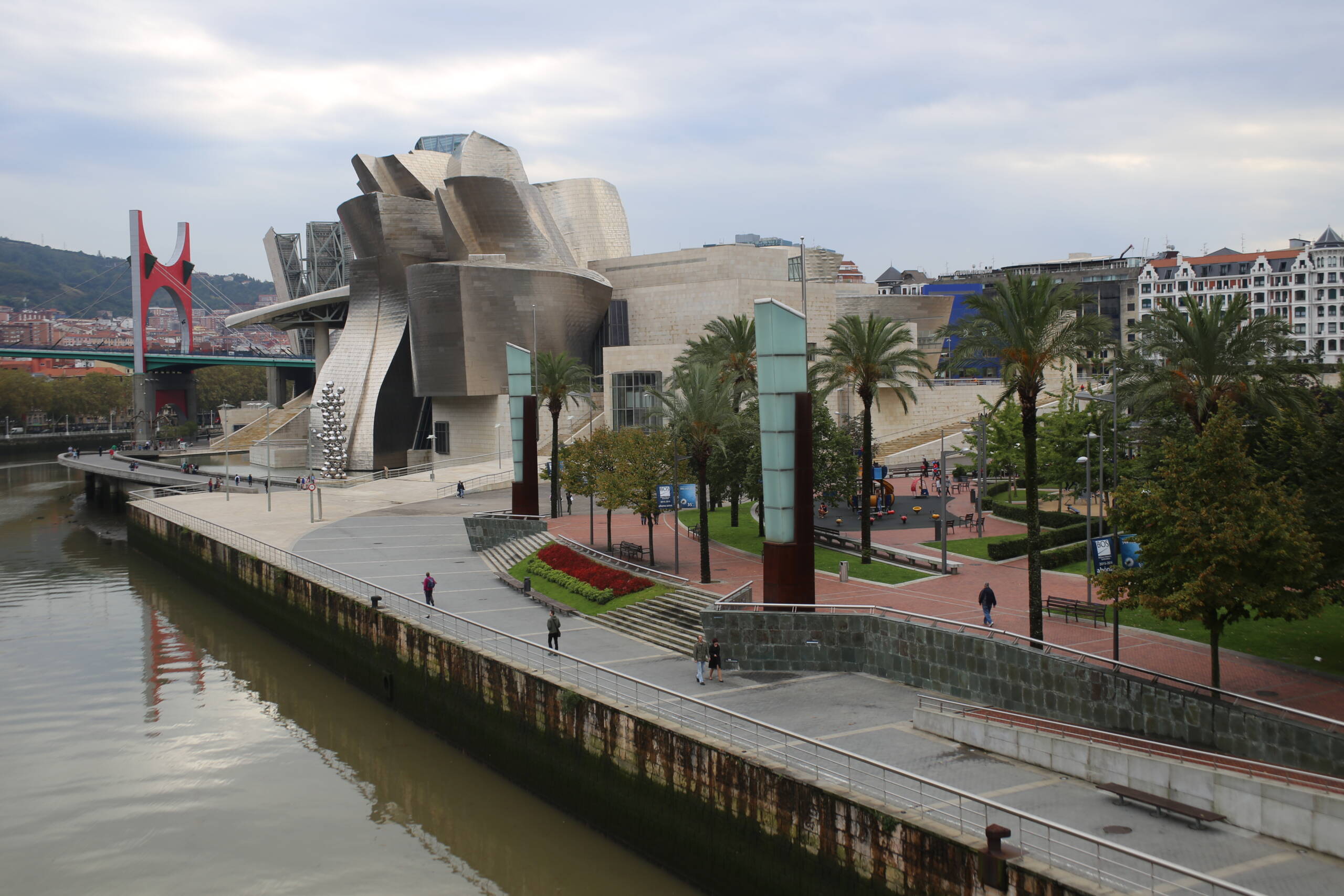
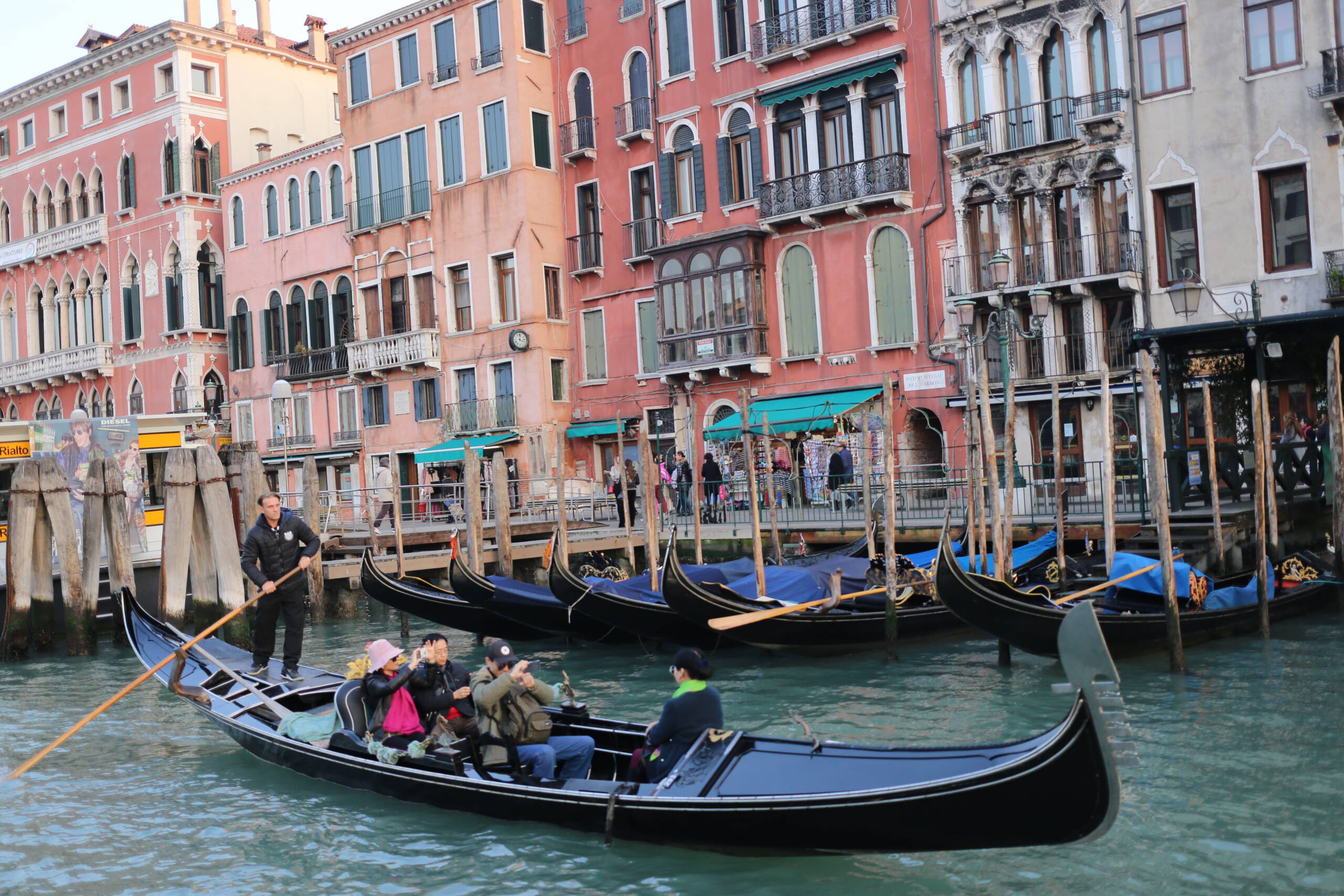
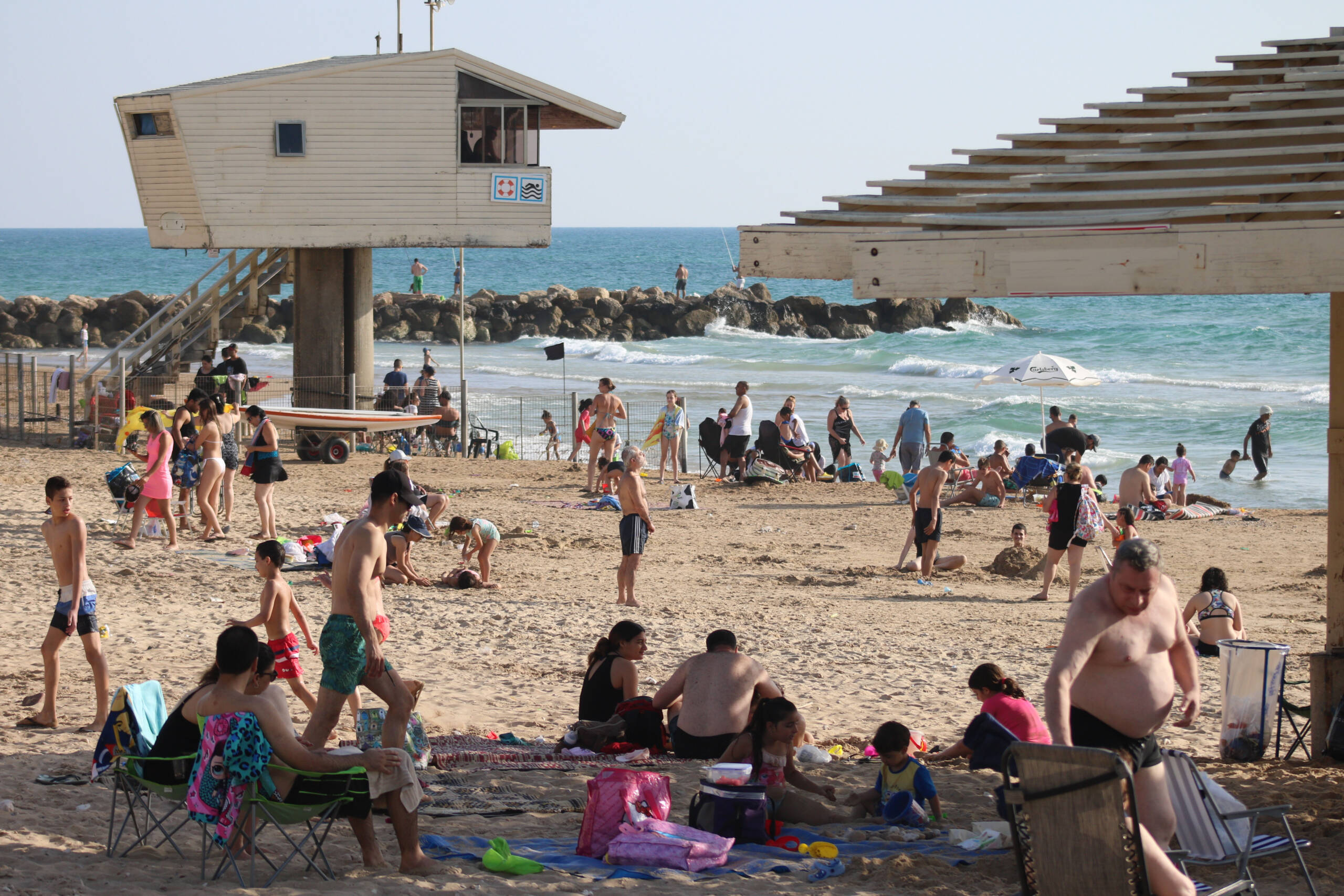
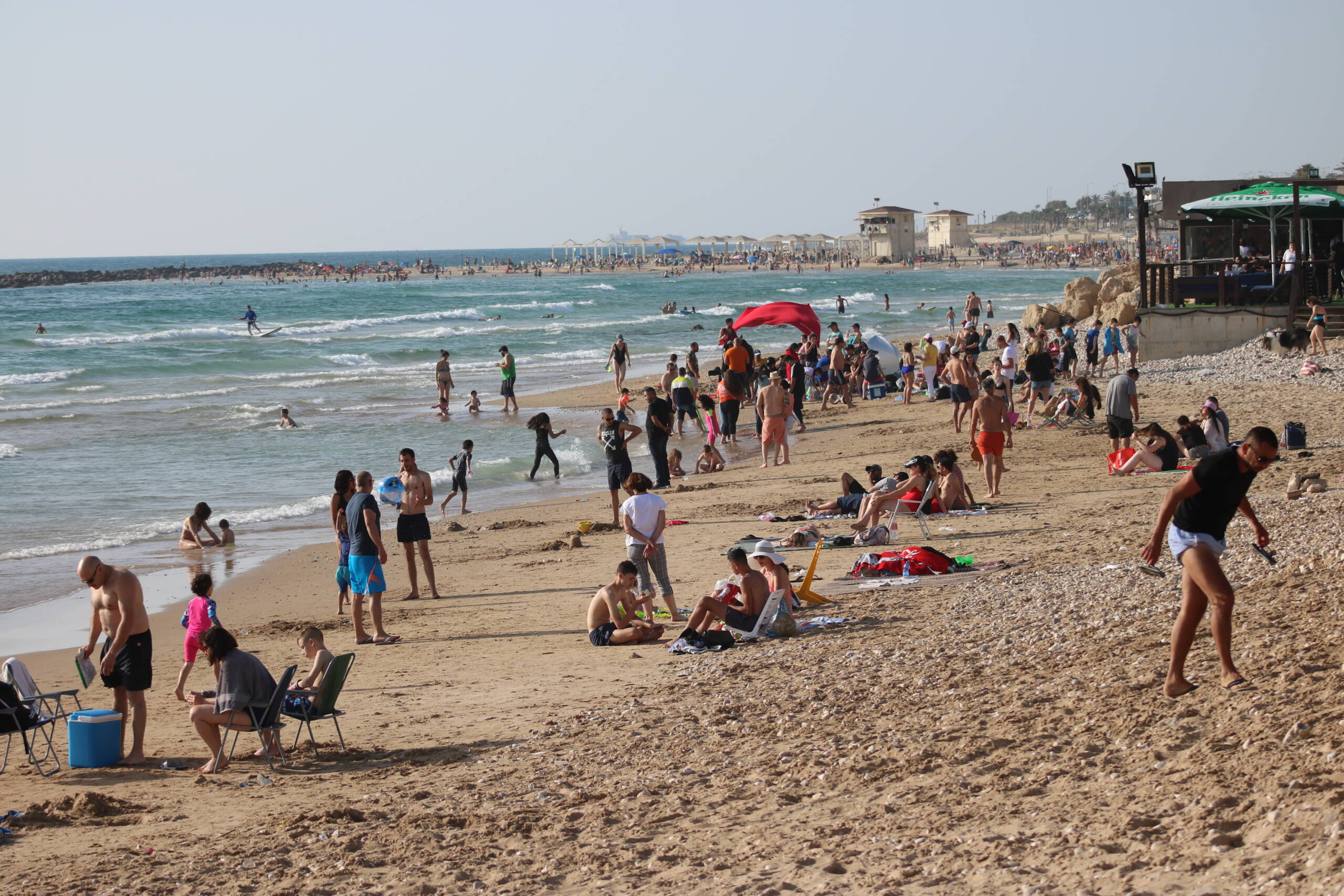
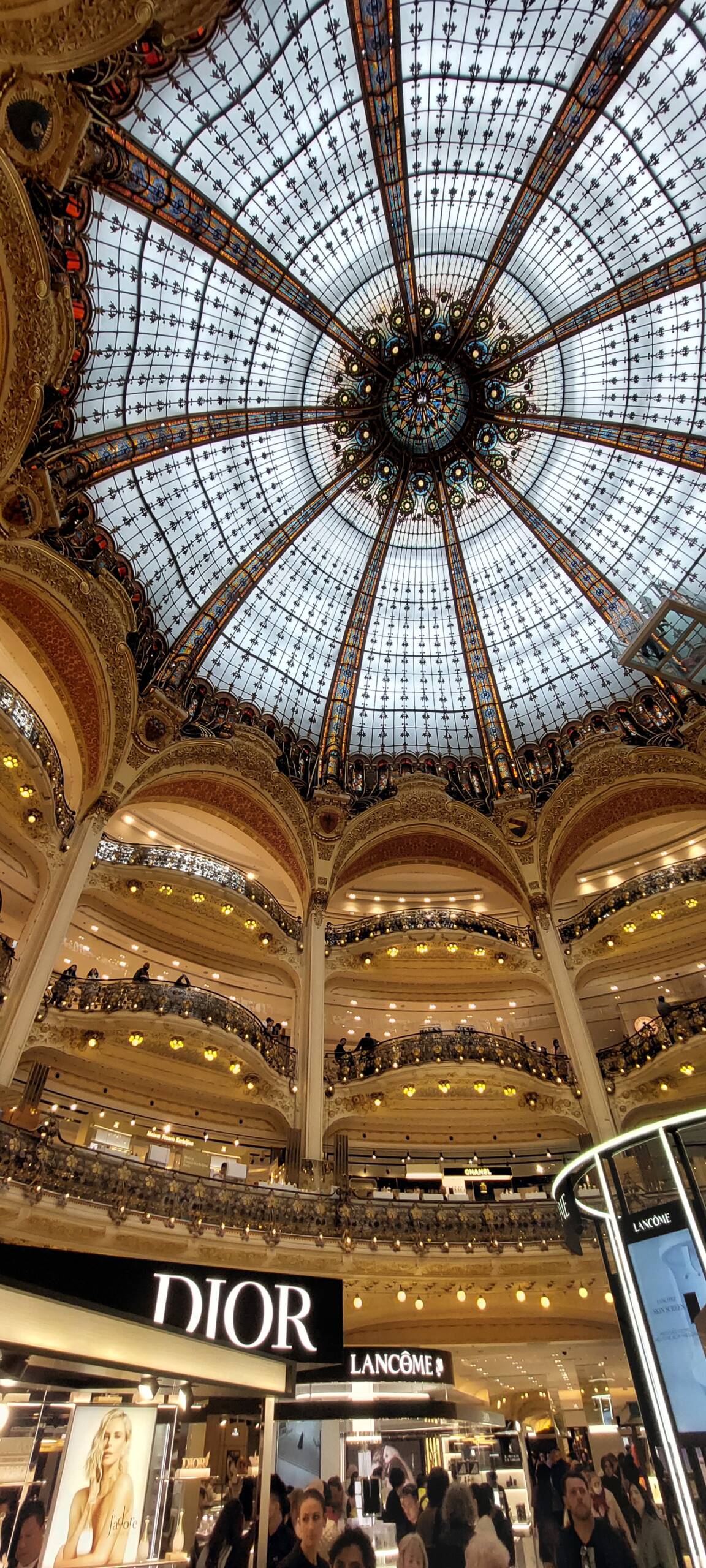
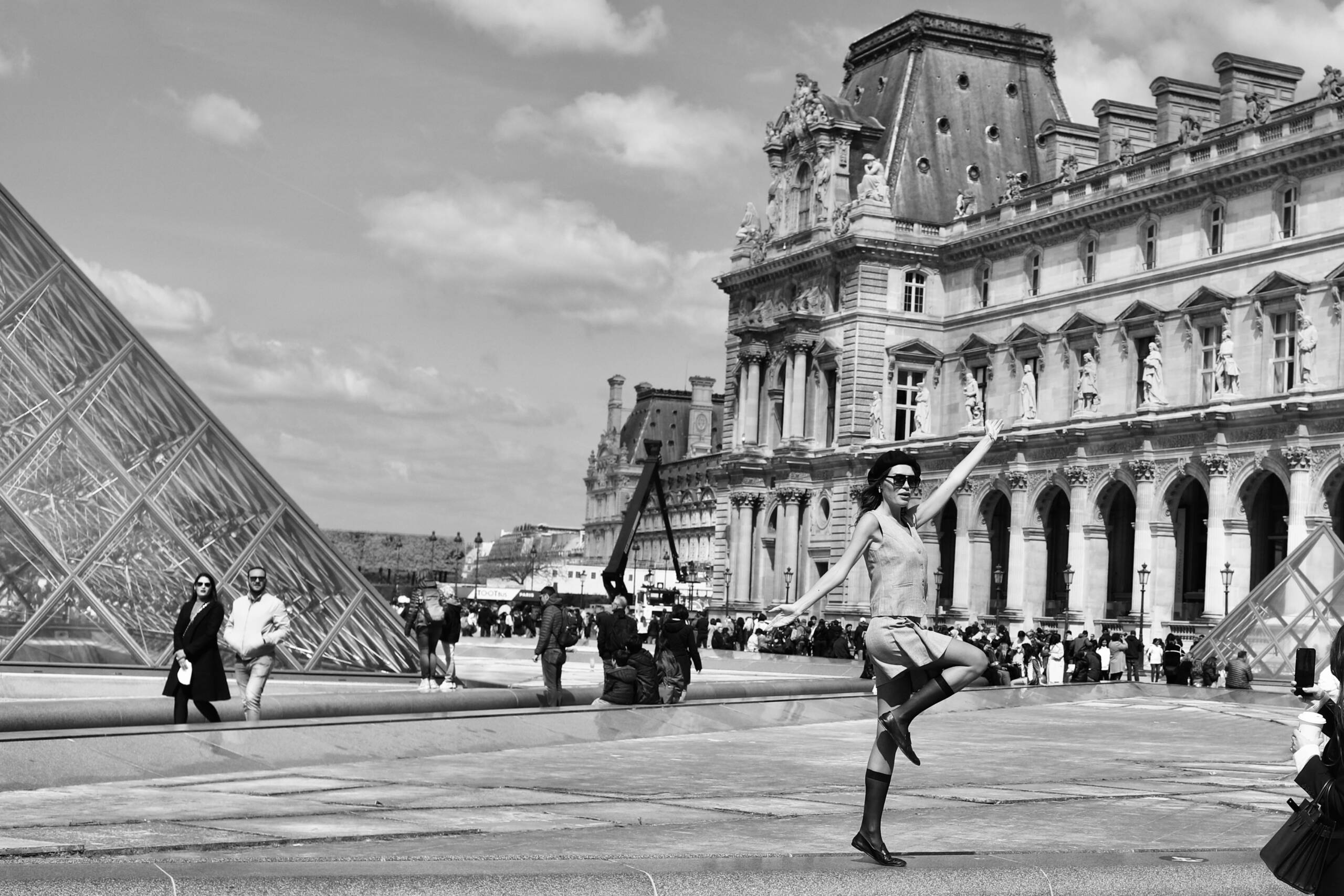
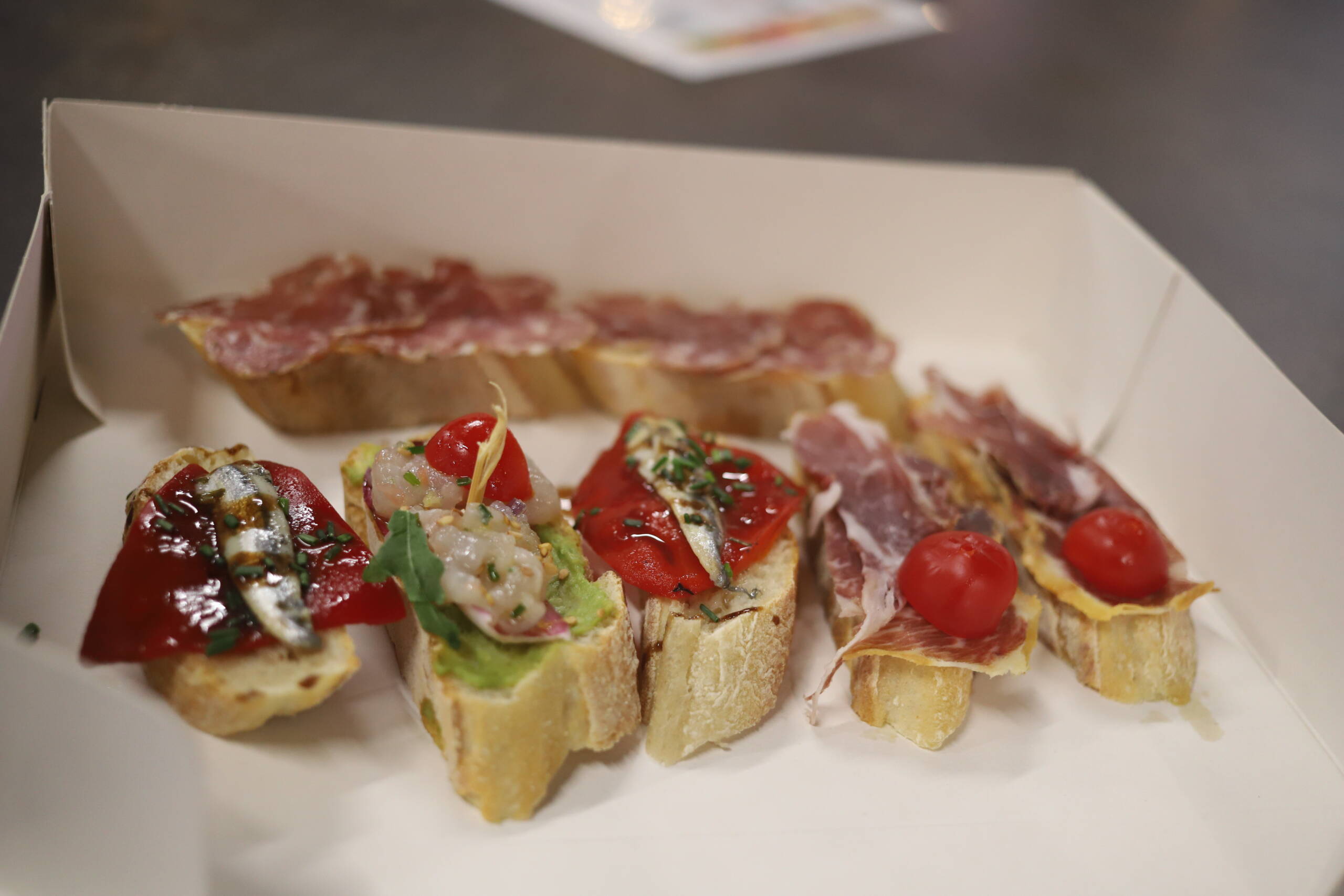
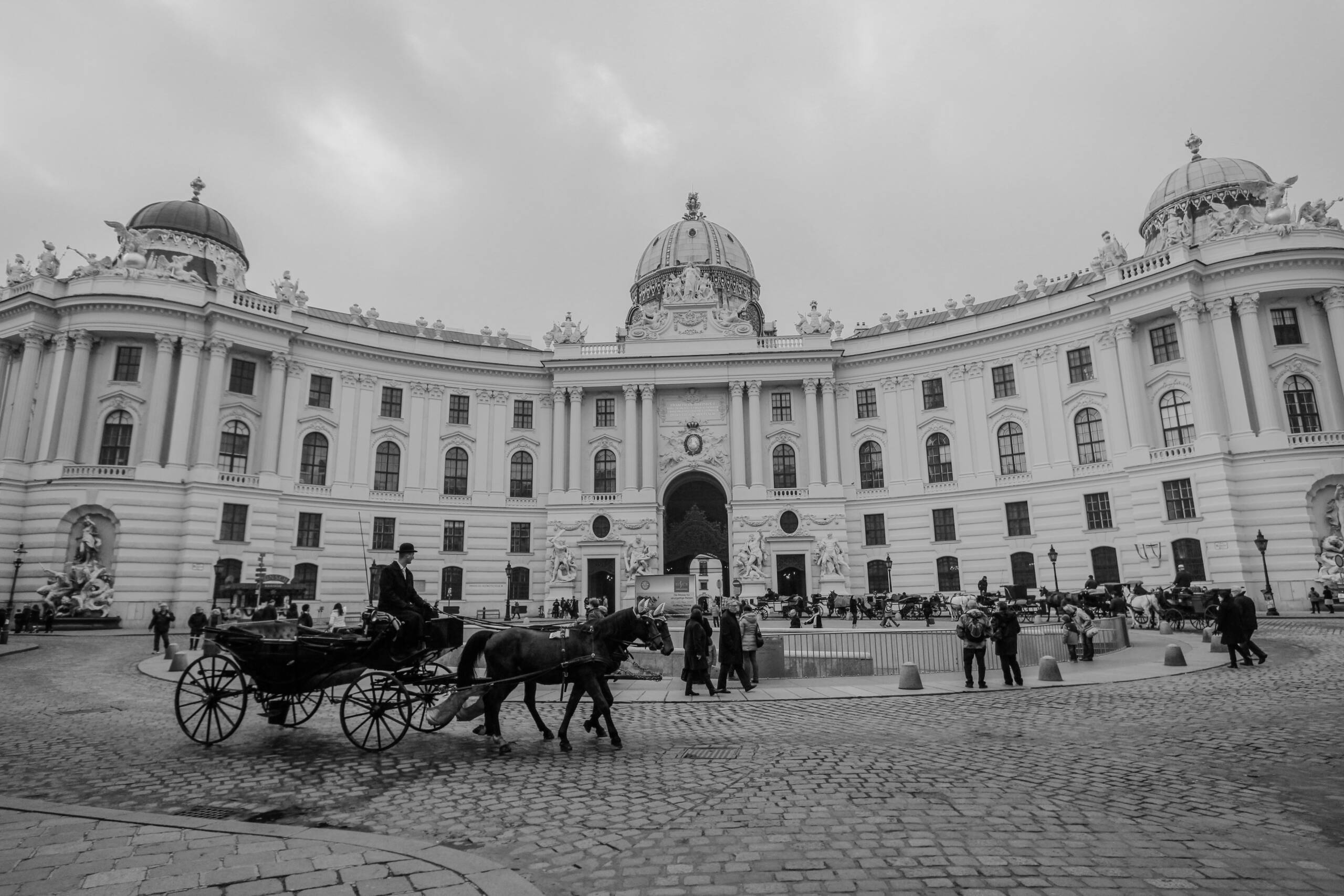
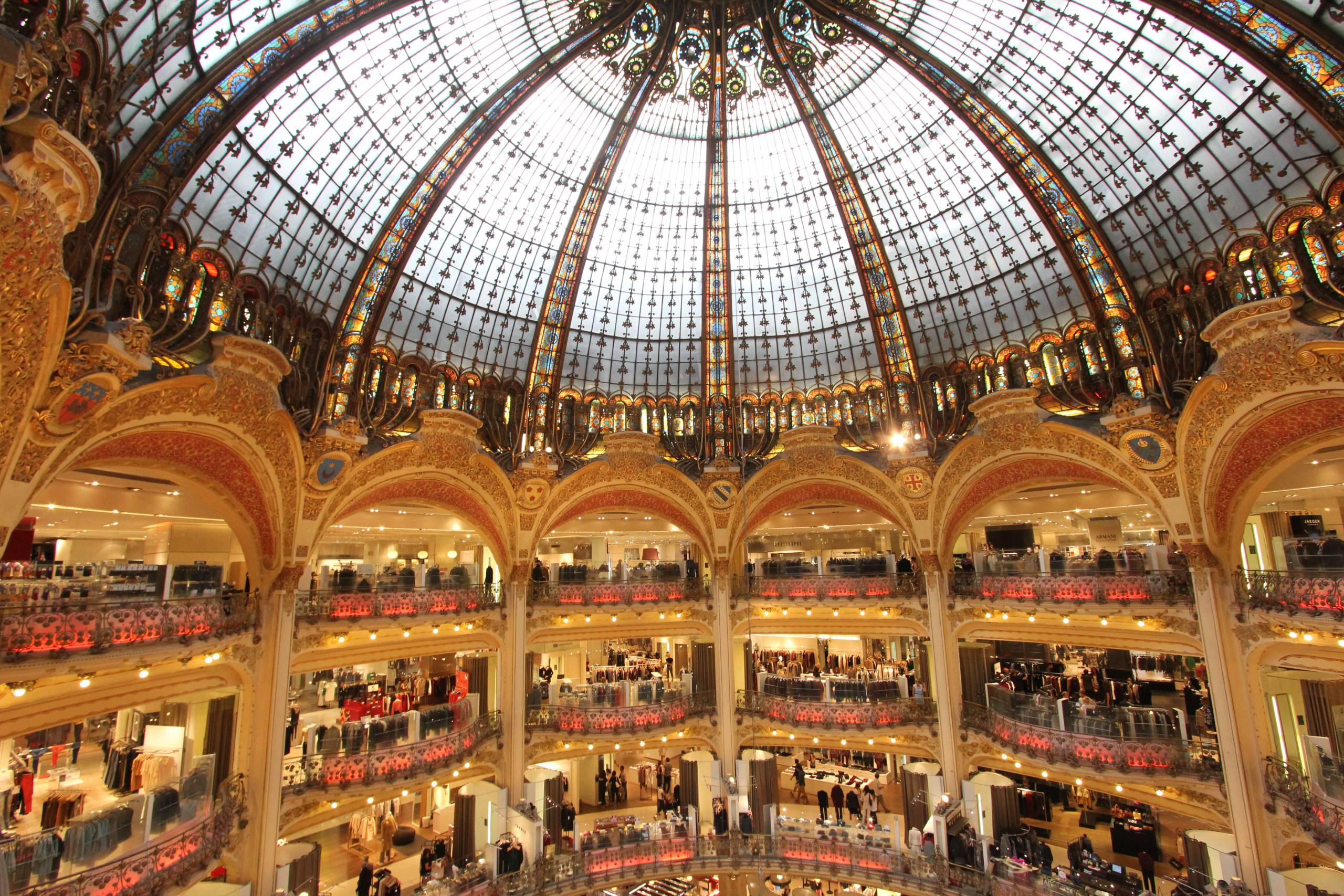
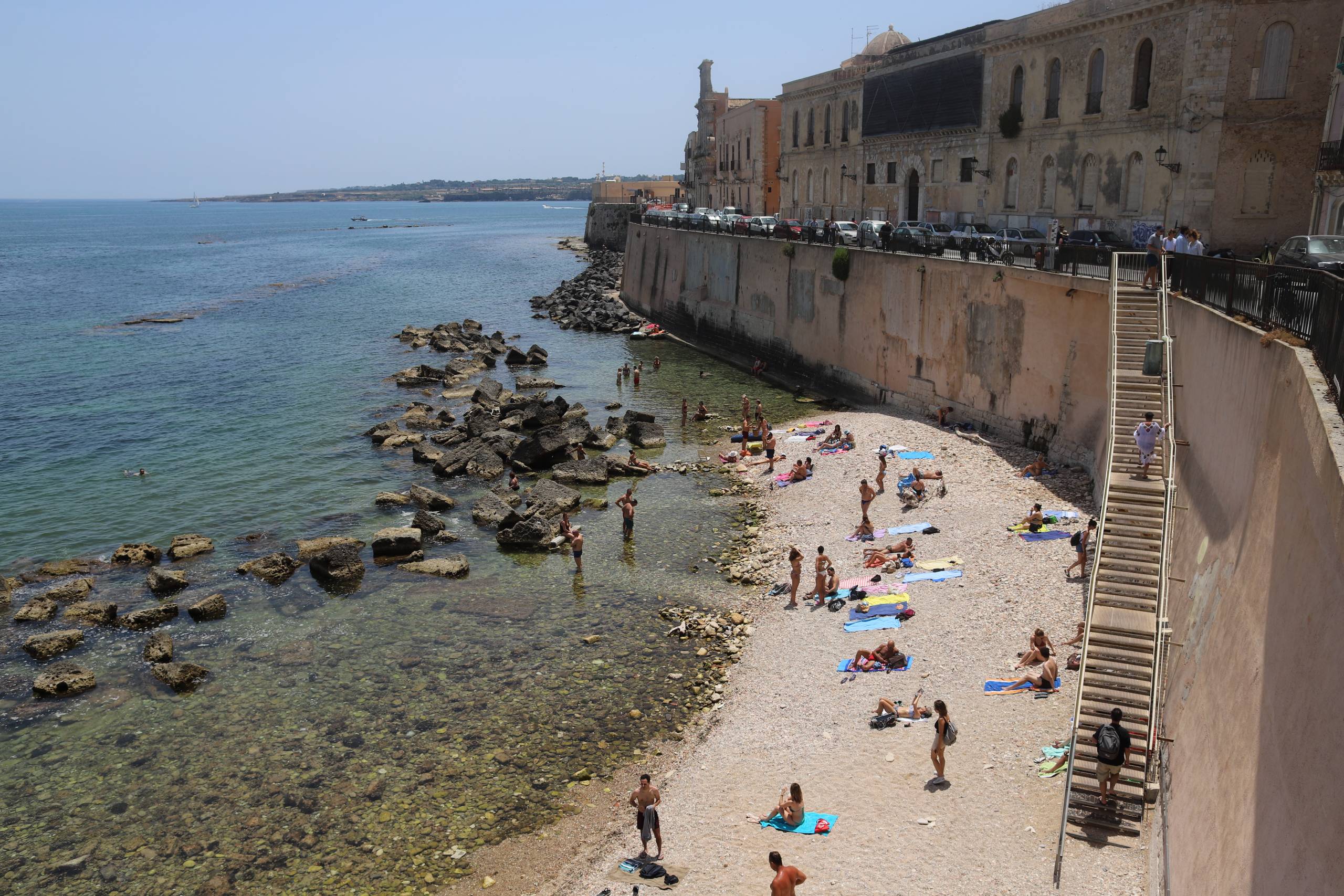
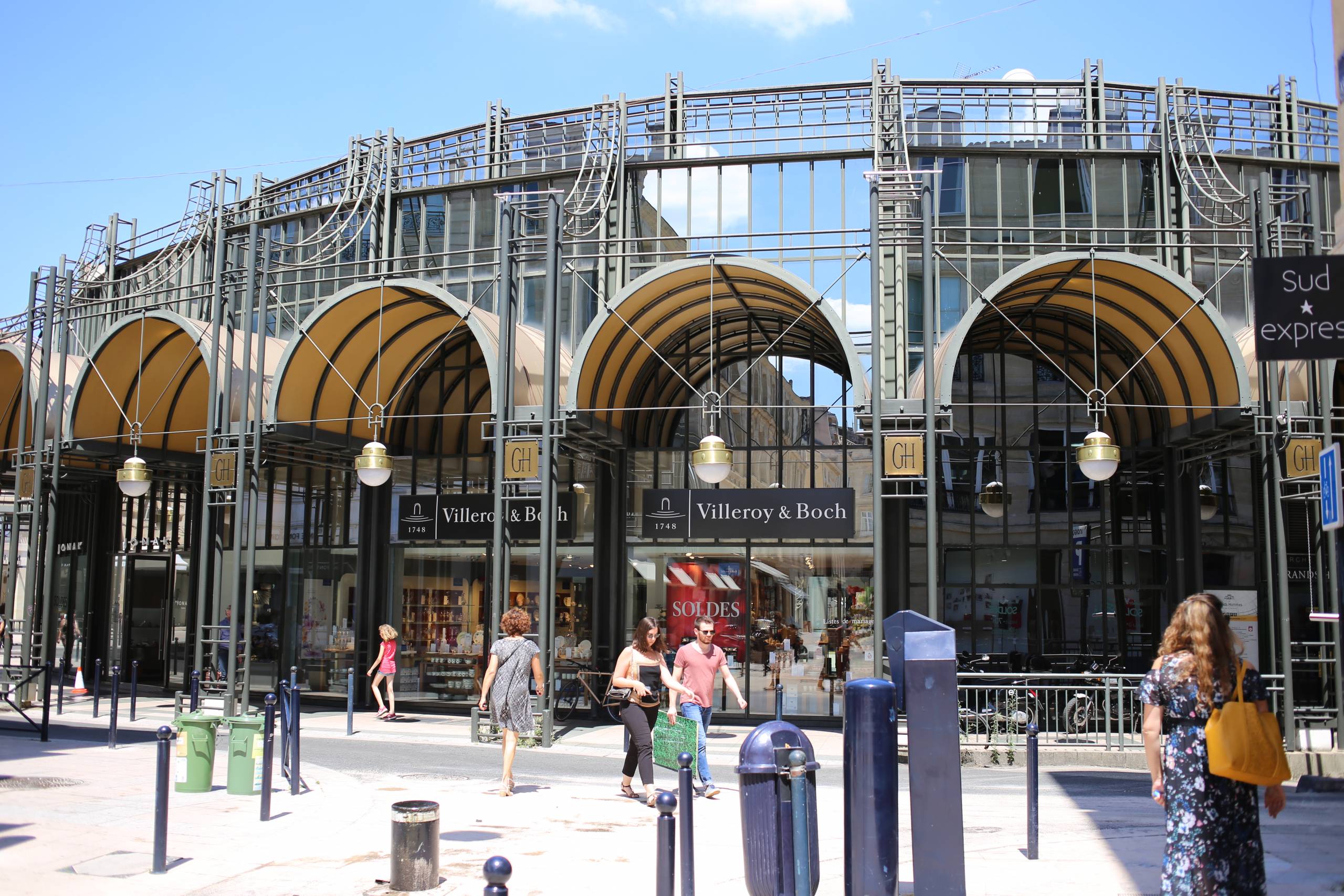
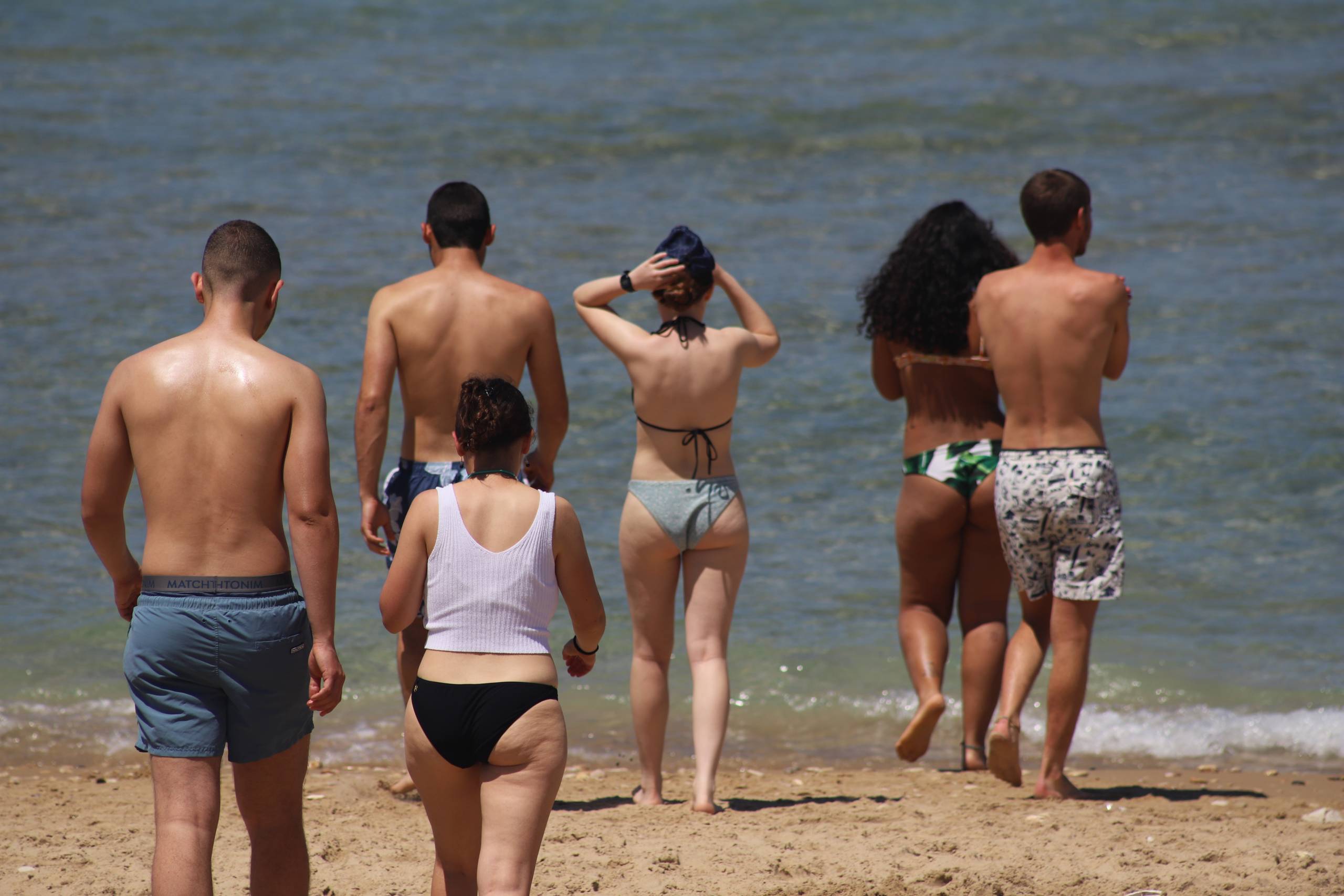
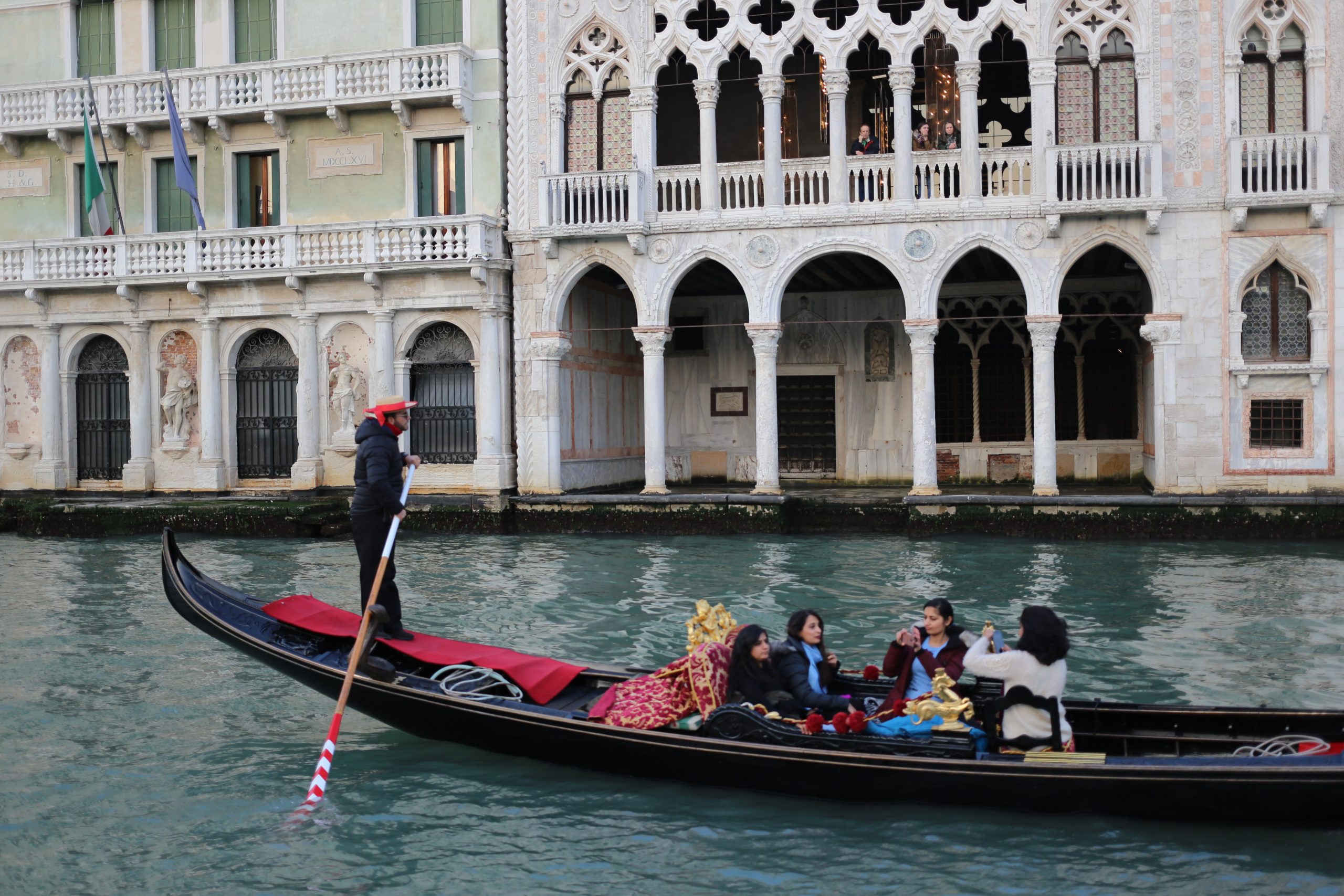
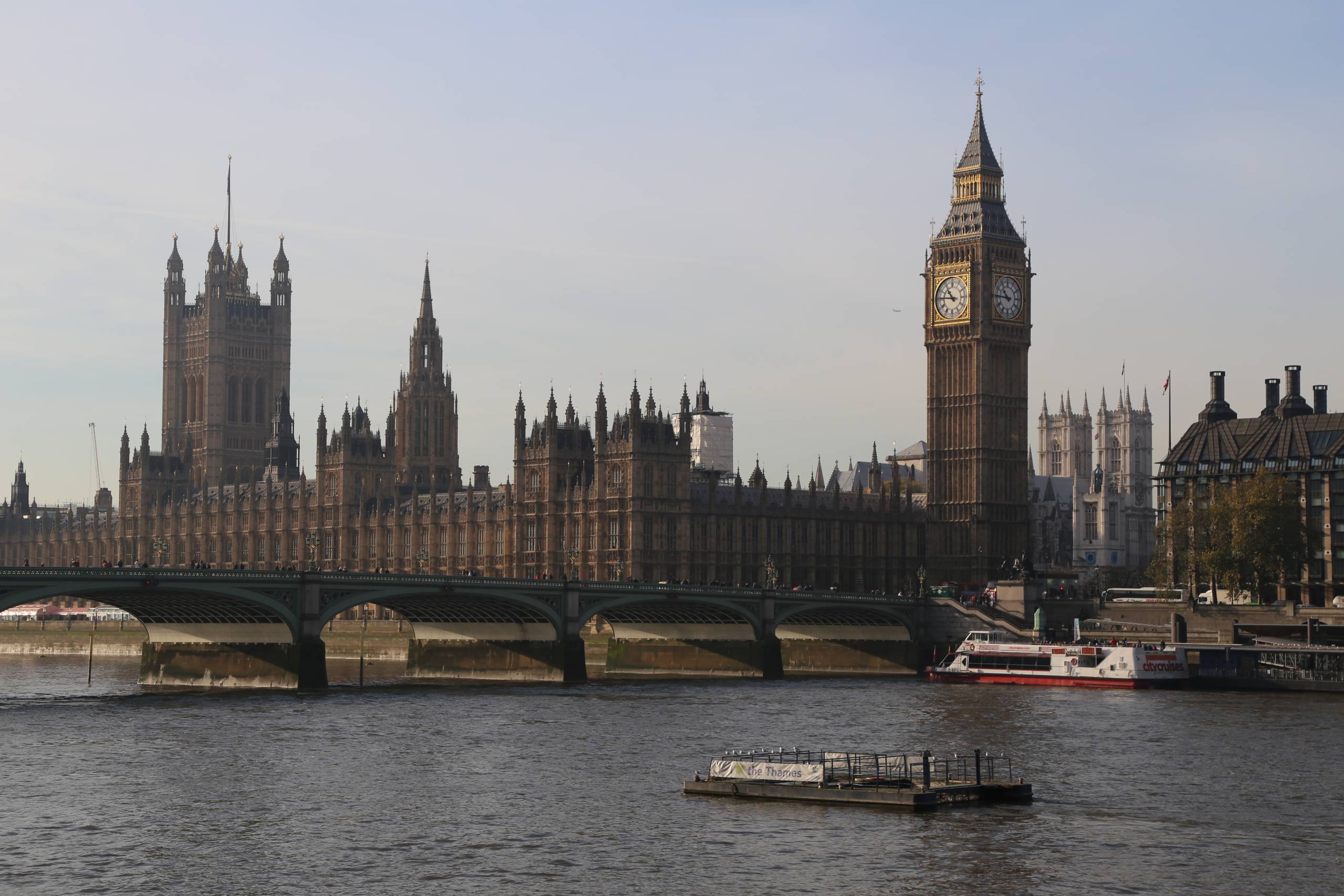
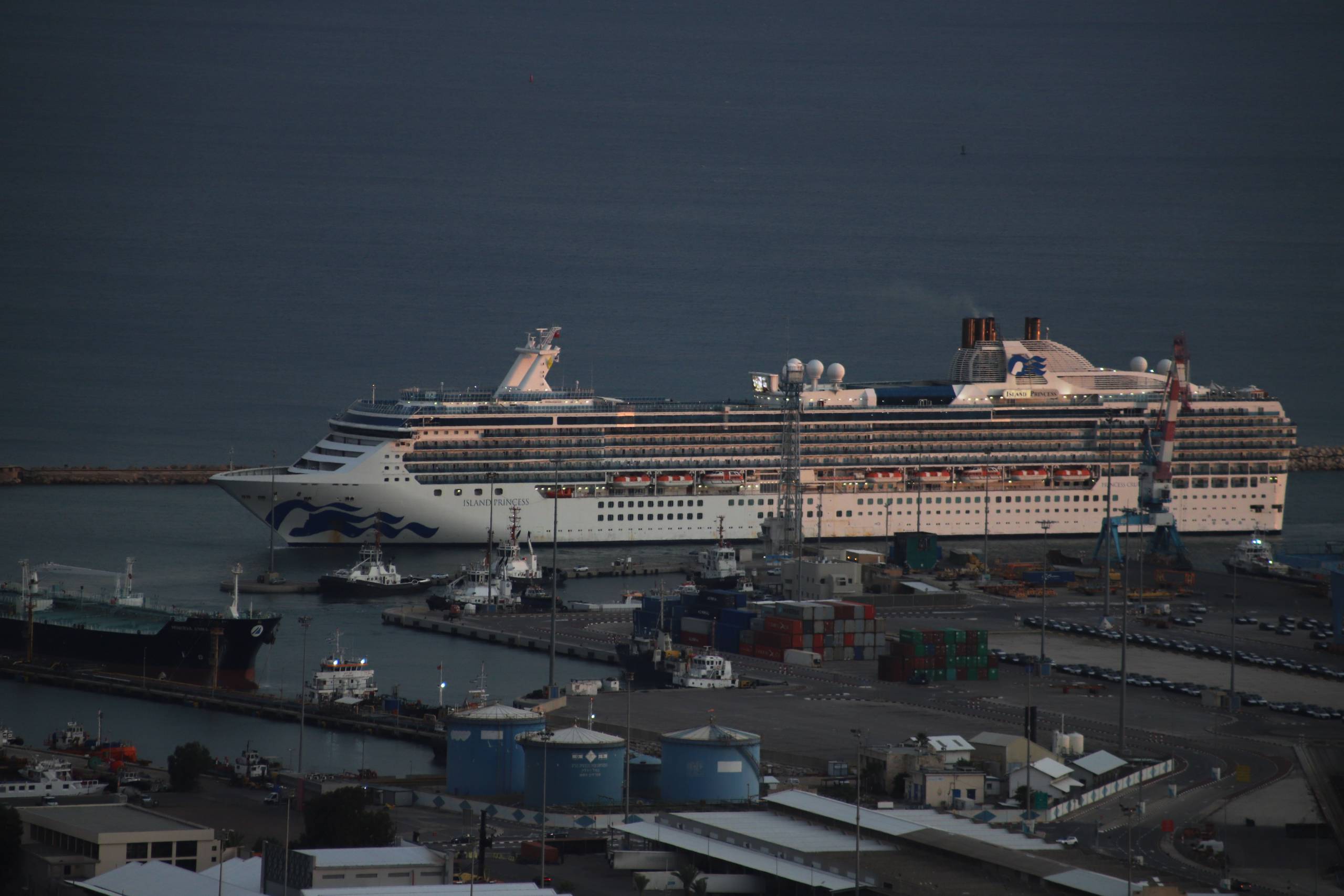
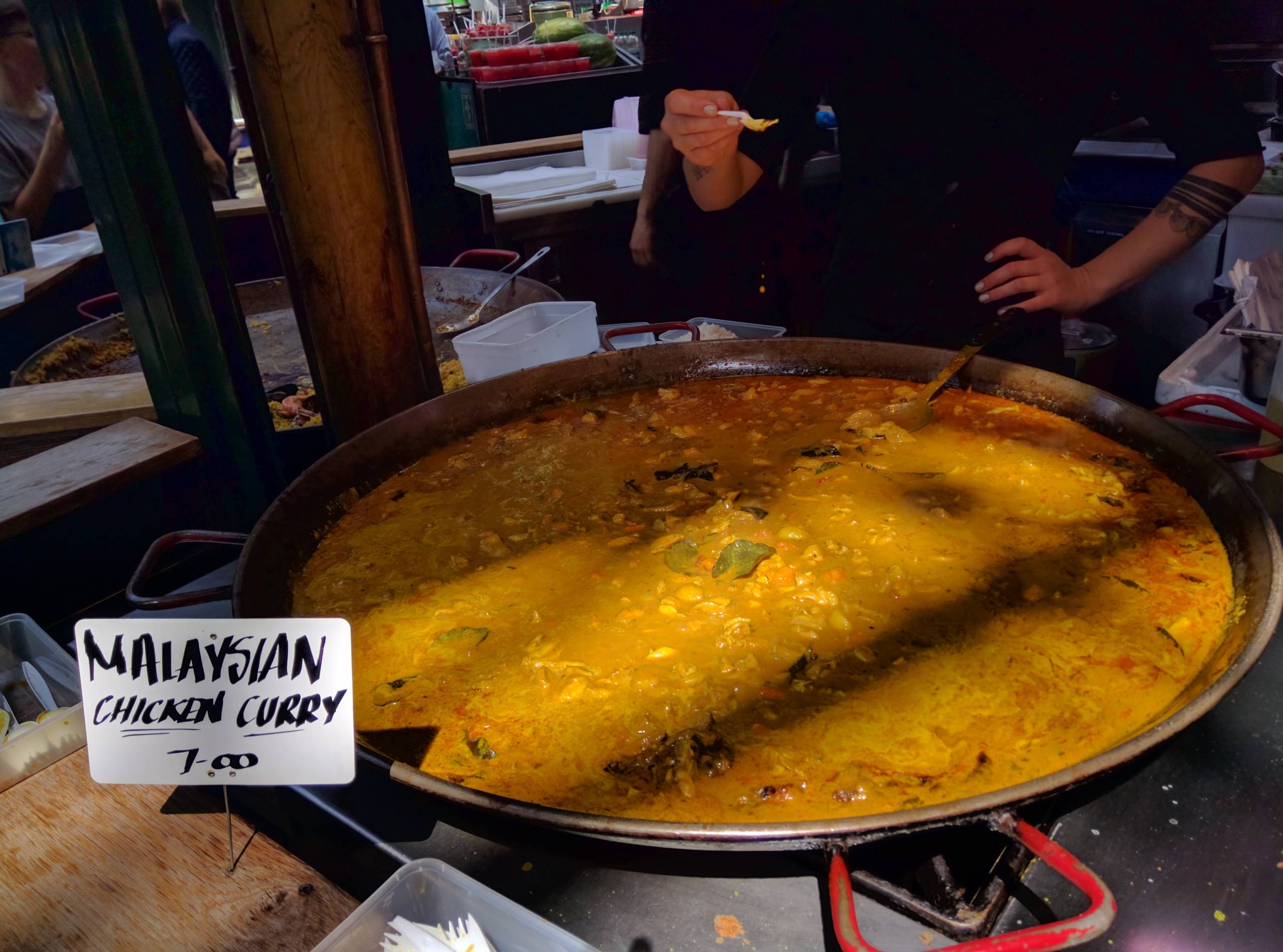
There’s no right order. Scroll straight through and you get a loose travelogue with lunch breaks: gondolas in Venice, the glass dome of Galeries Lafayette, Big Ben from the Thames, cruise ships at dusk, a plate of pasta with shrimp, a Sicilian dessert or two. Or pick one thread, the orchids say, or the beaches, and follow it on its own. You’ll find it tells a different story when it’s not surrounded by everything else.
Hover over an image to see its title. Click it to open it on its own page. The titles are plain on purpose. They say what’s in the frame and stop there, so whatever story you read into it is yours.
Start anywhere.