
In 1947, a group of photographers founded a cooperative in Paris. Robert Capa, Henri Cartier-Bresson, David Seymour and George Rodger were among them. They called it Magnum Photos. The idea was simple and a bit radical for the time. The photographers would own their own work. They’d keep their negatives and their copyright, choose their own assignments, and decide how their … [Read more...] about Magnum Photos and the Case for Photographer-Owned Archives
Media
From Newsreel to Newsfeed: A Short History of Moving Images as News
People were watching the news on a screen long before anyone owned a television. In the early 1900s, cinemas began showing short newsreels before the main feature. The French company Pathé started one of the first regular series in 1908. A newsreel ran a few minutes and covered a handful of stories: a royal visit, a flood, a boxing match, a war. There was no live coverage. Film … [Read more...] about From Newsreel to Newsfeed: A Short History of Moving Images as News
Why Photographers Still Add Film Grain to Digital Files
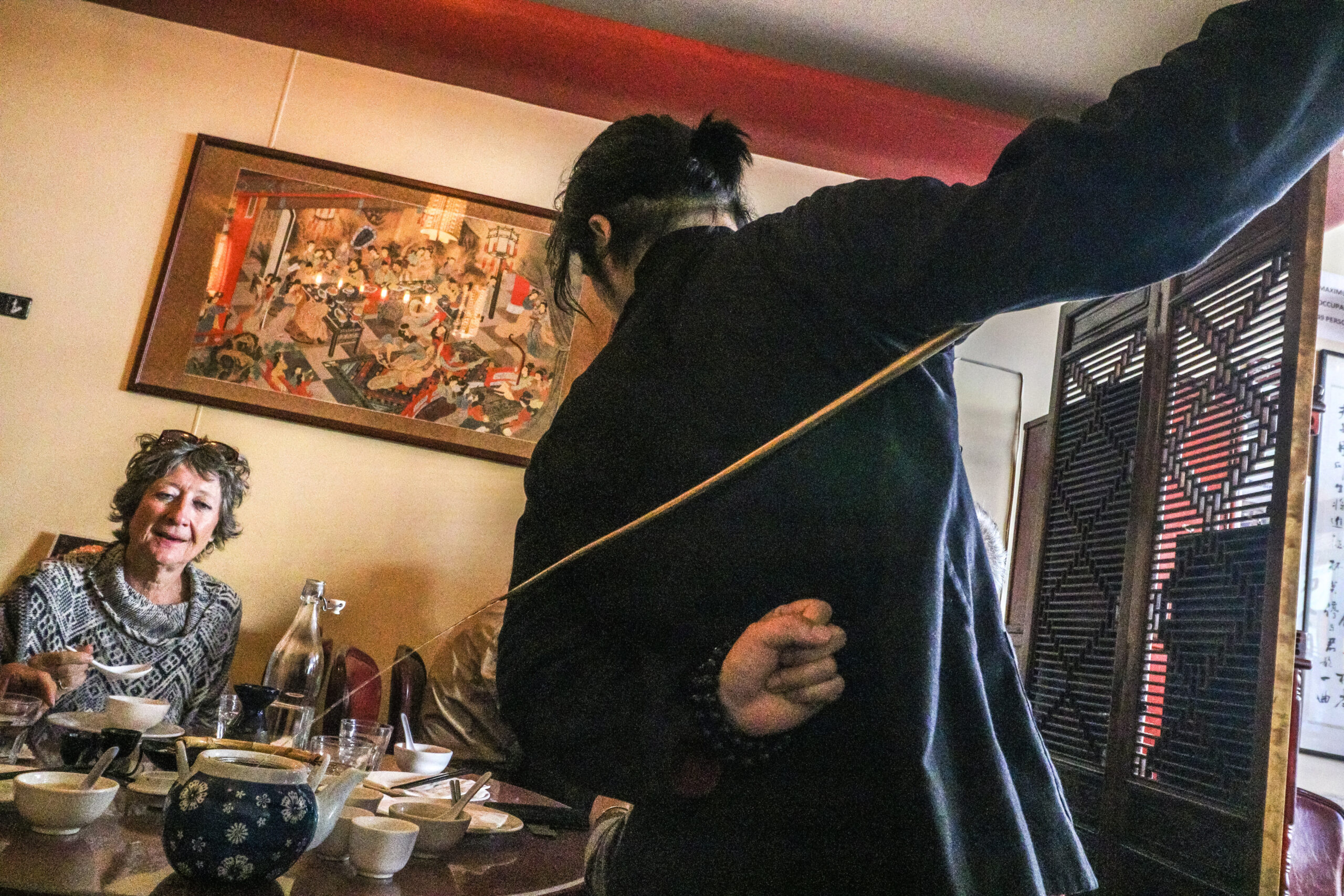
Digital sensors are clean. Modern cameras can shoot in near darkness and produce files with very little noise. So why do so many photographers pay for presets that add grain back in? Because clean can look cold. Real film grain comes from tiny silver crystals in the emulsion, and their random pattern gives an image texture you can almost feel. Digital noise is different. It … [Read more...] about Why Photographers Still Add Film Grain to Digital Files
The Rule of Thirds Is a Habit, Not a Law
Every beginner's guide to photography starts with the rule of thirds. Divide the frame into a three by three grid, put your subject on a line or an intersection, done. It works, which is why it survives. It's also older than photography. An English engraver named John Thomas Smith gave it a name in the 1790s, writing about landscape painting. He noticed that scenes looked … [Read more...] about The Rule of Thirds Is a Habit, Not a Law
How to Read a Photograph in Thirty Seconds
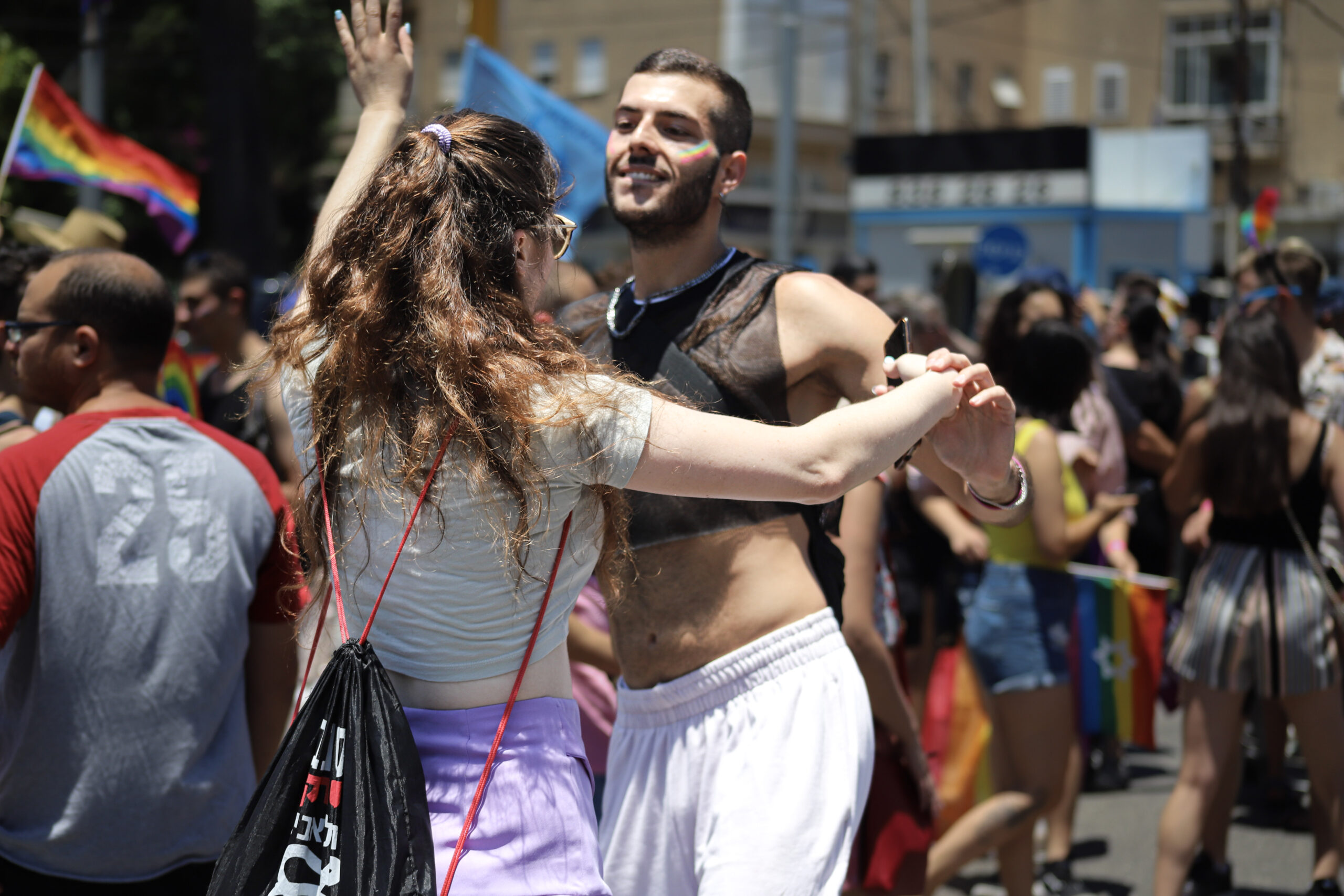
Most people glance at a photo for about as long as it takes to scroll past it. You can get a lot more out of thirty seconds if you do it in order. First, notice where your eye lands. That's usually the brightest spot, the sharpest spot or a face. Photographers know this and place things on purpose. Ask why they put it there. Check the edges Look at what the frame cuts off. A … [Read more...] about How to Read a Photograph in Thirty Seconds
Why a Media Gallery Needs a Digest Next to It
A picture with no context is wallpaper. A list of links with no pictures is something you forget by lunch. MediaGallery.org exists because neither half works well alone. The gallery is the part you look at. Photographs, video stills, posters, frames from film, scans from archives. It's meant to be browsed slowly, the way you'd walk through a room with the lights on. The digest … [Read more...] about Why a Media Gallery Needs a Digest Next to It
How to Build a Weekly Media Diet That Fits in Two Hours
There's more to watch, read and listen to than anyone can finish. The trick is deciding what you won't do, and giving the rest enough time. Try a budget. Two hours a week, spent on purpose. That's about one long film or a handful of shorter pieces, plus a few articles. A rough split Spend half an hour looking at pictures with no goal. Browse a gallery, a photographer's archive, … [Read more...] about How to Build a Weekly Media Diet That Fits in Two Hours
Photojournalism Ethics: Where Editing Ends and Faking Begins
Every photograph is edited. Cropping, exposure, contrast and color balance are all normal, and they go back to the darkroom. The question is where normal stops. Most news organizations follow a rule close to this: you can adjust the picture to show what was there, but you can't add, remove or move things. The National Press Photographers Association's code of ethics says as … [Read more...] about Photojournalism Ethics: Where Editing Ends and Faking Begins
Reverse Image Search Is the Fastest Fact-Check for Any Viral Photo
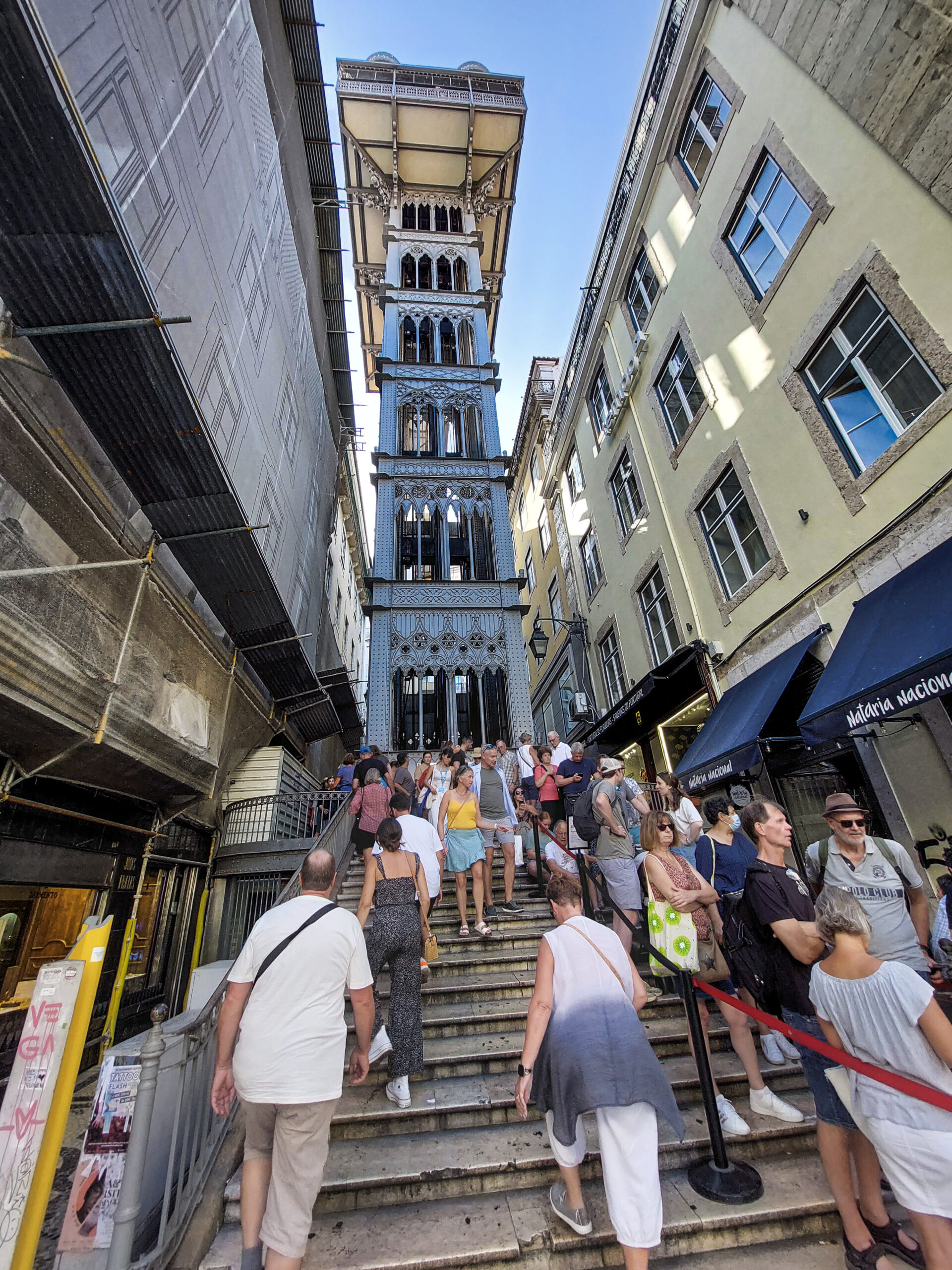
Someone shares a dramatic photo with a confident caption. You've got about a minute before you'd normally either believe it or scroll on. Use that minute for a reverse image search. Take the photo above. It's shot from the bottom of a stone staircase, looking straight up. A slim blue-grey iron tower with pointed Gothic arches and fine lacework fills the middle of the … [Read more...] about Reverse Image Search Is the Fastest Fact-Check for Any Viral Photo
AI-Generated Images and the Fight Over Provenance
You can now make a convincing image of nearly anything from a sentence. That's a lot of fun, and it's a real problem for anyone who runs a gallery or a newsroom. The old test was whether a photograph looked real. That test is failing. The new question is where the picture came from, and whether you can prove it. Content credentials One approach is provenance metadata. The C2PA … [Read more...] about AI-Generated Images and the Fight Over Provenance